Why napo wildlife center Ecuador sets the standard for luxury in the amazon rainforest
Napo wildlife center Ecuador is a rare combination of refined comfort and serious conservation. This indigenous owned lodge sits inside Yasuní National Park, on the tranquil Añangucocha lake, where the forest feels both intimate and immense. Guests arrive expecting a remote eco lodge and instead find a polished retreat that respects every curve of the surrounding amazon rainforest.
The lodge is fully owned and managed by the Kichwa Añangu community, which means your stay directly supports local guardians of the forest and its wildlife. According to the project’s own conservation reports and official website, their community led model channels revenue into education, healthcare, and protection of more than 53,500 acres of primary forest, while still delivering a premium lodge experience with hot showers, fine linens, and attentive service. This balance between a high end amazon lodge and a community project gives napo wildlife center a depth that many rainforest tours never reach.
From the moment your canoe glides across the blackwater lake, you sense how carefully the center has been integrated into the landscape. Solar panels, water treatment systems, and low impact walkways show how luxury can coexist with a fragile ecosystem, rather than overwhelm it. One guest described the arrival as “stepping into a quiet village that happens to have a world class lodge in the middle of the jungle.” For travelers comparing options across the ecuador amazon, this Añangu community project stands out as the place where a wildlife focused stay and a sophisticated lodge experience genuinely reinforce each other.
Getting to napo wildlife center Ecuador and planning your days and nights
Reaching napo wildlife center Ecuador starts with a short flight from Quito to Coca, the frontier city on the Napo River. From Coca, guests board a motorized canoe for roughly two hours downstream, then transfer to a silent paddle canoe that slips through narrow creeks into the heart of the forest, usually adding another 60–90 minutes. This carefully staged journey feels like a long, elegant prologue to your stay, and every bend of the river brings new wildlife along the amazon rainforest corridor.
Most travelers choose packages of three or four days and nights at the lodge, which allows time for both structured tours and quiet hours on the lake. A typical center day begins around 5:00–5:30 a.m., when guides lead small groups by canoe to watch macaws and parrots swirl above the famous parrot clay licks along the Napo River. After a late breakfast back at the lodge, guests might walk terra firme forest trails, climb the canopy tower, or rest in hammocks while the forest hums around them.
Afternoons often feature a second tour by canoe or on foot, followed by a refined dinner and optional night walks to search for nocturnal wildlife. The return journey to Coca mirrors the arrival, with staff coordinating the timing of your flight Quito connection so the transition from rainforest to city remains smooth. If you are comparing elevated rainforest stays, you can read more about canopy level luxury experiences in the region through this guide on elevated rainforest luxury above the Amazon jungle, which pairs well with a stay at napo wildlife center.
Signature rainforest tours, wildlife encounters, and the power of clay licks
Every day at napo wildlife center Ecuador is structured around intimate encounters with wildlife, guided by highly trained members of the Kichwa Añangu community. The most sought after tour is the early morning visit to the parrot clay lick, where hundreds of parrots and macaws descend to feed on mineral rich clay walls along the Napo River. On some days, guests also visit secondary clay licks deeper in Yasuní National Park, where different species gather and the spectacle feels almost theatrical.
Guides often combine these clay licks with slow canoe tours through flooded forest channels, scanning for giant river otters, hoatzins, and several of the more than 600 bird species recorded around the lodge, a figure drawn from the center’s long term bird lists. On terra firme trails, you may encounter troops of monkeys, poison dart frogs, and intricate insect life that reveals the complexity of the ecuador amazon. For travelers interested in how river cultures shape the region beyond the forest, this perspective on floodplain communities and river life offers a thoughtful complement to wildlife focused tours.
Some guests pair their napo wildlife stay with a journey to the Galápagos, creating a powerful contrast between marine and rainforest ecosystems in Ecuador. Others extend their days and nights in the amazon rainforest to include extra observation tower visits or specialized birding tours. Whatever your plan, the lodge team will help you design each tour and center day so that you experience both the drama of clay licks and the quieter moments of watching a heron hunt at the lake edge.
Canopy tower views, observation platforms, and refined comfort in the forest
One of the defining features of napo wildlife center Ecuador is its canopy tower, a sturdy structure rising above the forest canopy and anchored to a giant ceiba tree. Guests climb before sunrise, reaching the observation tower platform just as mist lifts from the amazon rainforest and flocks of toucans and tanagers begin to move. From this height, the forest feels like an endless green ocean, and the lodge below seems to disappear into the landscape.
Several days and nights at the lodge allow you to visit the canopy tower more than once, which is essential because wildlife activity changes with light and weather. On one day, you might focus on raptors and macaws soaring above the Napo River corridor, while another morning reveals monkeys leaping between emergent trees at eye level. Guides from the Añangu community use high quality scopes so guests can appreciate subtle details, turning each center day into a masterclass in amazon wildlife.
Back at the lodge, comfort is quietly sophisticated rather than ostentatious, with spacious rooms, screened windows, and thoughtful touches like filtered water and ceiling fans. The eco lodge design uses solar energy and efficient water systems, proving that a high end amazon stay does not require heavy environmental compromise. For travelers who value both an elegant room and the chance to step into a canoe within minutes, this rainforest retreat offers a rare balance between refined hospitality and immediate access to the forest.
Community led luxury and the role of the kichwa añangu people
The soul of napo wildlife center Ecuador lies in the Kichwa Añangu community, which owns and manages every aspect of the lodge. This anangu community decided to protect its territory inside Yasuní National Park by investing in an eco lodge rather than extractive industries, and that choice shapes every guest experience. Revenue from your stay supports local schools, healthcare, and conservation patrols, turning each tour and canoe ride into part of a larger protection strategy for the amazon rainforest.
Community members serve as naturalist guides, canoe pilots, hospitality staff, and managers, ensuring that decisions about the lodge remain rooted in local priorities. Their deep knowledge of the forest means that a simple walk on terra firme trails becomes a layered lesson in medicinal plants, animal behavior, and Kichwa cultural traditions. As one guide explained to a guest while pointing out a troop of squirrel monkeys, “This is our home first and your destination second, so we protect it as family.” When you stand on the observation tower or glide across the lake at dusk, you are benefiting from generations of lived experience in this part of the ecuador amazon.
Guests who want to understand regional culture more broadly can explore how festivals and river traditions shape life beyond Yasuní, for example through this article on river culture and amazon festivals. Back at napo wildlife center, the focus remains on respectful interaction with the Añangu community, with carefully designed visits that avoid turning daily life into a spectacle. This approach reinforces the lodge’s reputation as one of the most thoughtful wildlife center projects in Ecuador, where luxury and community benefit are inseparable.
Designing your luxury itinerary: from flight Quito to return journey
Planning a stay at napo wildlife center Ecuador begins with aligning your flight Quito schedule with the lodge’s transfer days. The team will coordinate your arrival in Quito, your domestic flight to Coca, and the canoe journey along the Napo River so that each step feels seamless. Because the lodge operates deep inside the amazon rainforest, booking well in advance is essential, especially for peak wildlife seasons and longer stays of four or five days and nights.
Travelers often combine napo wildlife center with other Ecuador highlights, such as a Galápagos cruise or time in the Andean highlands, creating a multi ecosystem itinerary. When you plan several days in the ecuador amazon, consider how many center day activities you want, from clay lick visits and canopy tower climbs to quiet lake canoe tours. A three night stay works for a first visit, but serious wildlife enthusiasts often prefer at least four or five nights to increase chances of seeing rarer species.
On your final morning, the return journey from the lodge to Coca retraces the silent canoe channels and the broader Napo River, offering a last look at river dolphins or kingfishers. From Coca, your flight to Quito connects you back to urban life, but the rhythm of the forest tends to linger long after departure. Thoughtful packing, including breathable clothing, insect repellent, and waterproof layers, will ensure that each tour and canoe outing feels comfortable, allowing you to focus fully on the experience rather than logistics.
Practical tips for premium travelers and what to expect each day
Luxury travelers at napo wildlife center Ecuador can expect attentive service without formality, with staff anticipating needs while keeping the atmosphere relaxed. Each center day follows a gentle pattern of early wildlife activities, midday rest, and late afternoon tours, but the team will adjust timing to your pace and interests. Private guiding, customized canoe outings, and flexible meal arrangements are possible when arranged in advance, especially for guests booking higher category rooms.
Wildlife viewing is excellent year round, though certain days and nights may bring heavier rain, which often increases activity along forest edges and the lake. The lodge’s position inside Yasuní National Park, near both terra firme and flooded forest, means that even short tours can reveal striking contrasts in habitat. Guests should be prepared for early starts, as the most dramatic parrot clay lick activity and canopy tower bird movements occur around dawn.
Families will find the lodge welcoming, with guides skilled at engaging younger travelers and tailoring tour lengths to different energy levels. Safety protocols on canoes, walkways, and observation platforms are rigorous, and staff provide clear briefings before each excursion. As the official information explains, “How to reach Napo Wildlife Center? Fly to Coca, then take a canoe ride.” “What wildlife can be seen? Monkeys, parrots, giant otters.” “Is the lodge family-friendly? Yes, suitable for all ages.”
Key figures and conservation impact at napo wildlife center Ecuador
- Napo wildlife center helps protect approximately 53,500 acres of rainforest inside Yasuní National Park, according to the lodge’s official data, creating a substantial buffer against deforestation in this part of the ecuador amazon.
- More than 600 bird species have been recorded around the lodge area, a figure reported by the wildlife center’s monitoring program that places this single site among the most biodiverse birding locations in the entire amazon basin.
- The Añangu community’s eco lodge model channels tourism revenue into conservation and social programs, reinforcing long term protection for both wildlife and cultural heritage in and around the Napo River corridor.
- Year round operation of the lodge provides stable employment for community members, which reduces pressure to engage in short term extractive activities and strengthens local stewardship of the amazon rainforest.
FAQ about napo wildlife center Ecuador
How do I get to napo wildlife center Ecuador from Quito ?
Travelers fly from Quito to Coca on a scheduled domestic flight, then transfer by motorized canoe down the Napo River, followed by a paddle canoe through smaller creeks to reach the lodge. The entire journey typically takes several hours, and the lodge coordinates timing so that connections between flight and river transport remain smooth. This combination of air travel and canoe navigation is the only practical way to access the center deep inside Yasuní National Park.
How many days and nights should I stay at the lodge ?
A minimum of three days and nights is recommended to experience key activities such as the parrot clay lick, canopy tower, and lake canoe tours. Wildlife enthusiasts or photographers often choose four or five nights to increase their chances of seeing a wider range of species and habitats. Longer stays also allow for a more relaxed pace, with time to enjoy the lodge facilities between tours.
What kind of wildlife can I expect to see during tours ?
Guests commonly see several monkey species, colorful parrots and macaws at clay licks, giant river otters on the lake, and a remarkable variety of birds from the observation tower. Reptiles, amphibians, and intricate insect life are also frequent highlights on terra firme and flooded forest walks. While sightings can never be guaranteed, the location inside Yasuní National Park and the expertise of Kichwa Añangu guides make wildlife encounters consistently rewarding.
Is napo wildlife center suitable for families and older travelers ?
The lodge is designed to be family friendly, with flexible tour options, safety focused canoe operations, and guides experienced in working with children. Older travelers are well supported through stable walkways, handrails on the canopy tower, and the option to choose less demanding activities on any given day. Staff can adapt the pace of each center day so that every guest, regardless of age, feels comfortable and engaged.
What should I pack for a luxury stay in the amazon rainforest ?
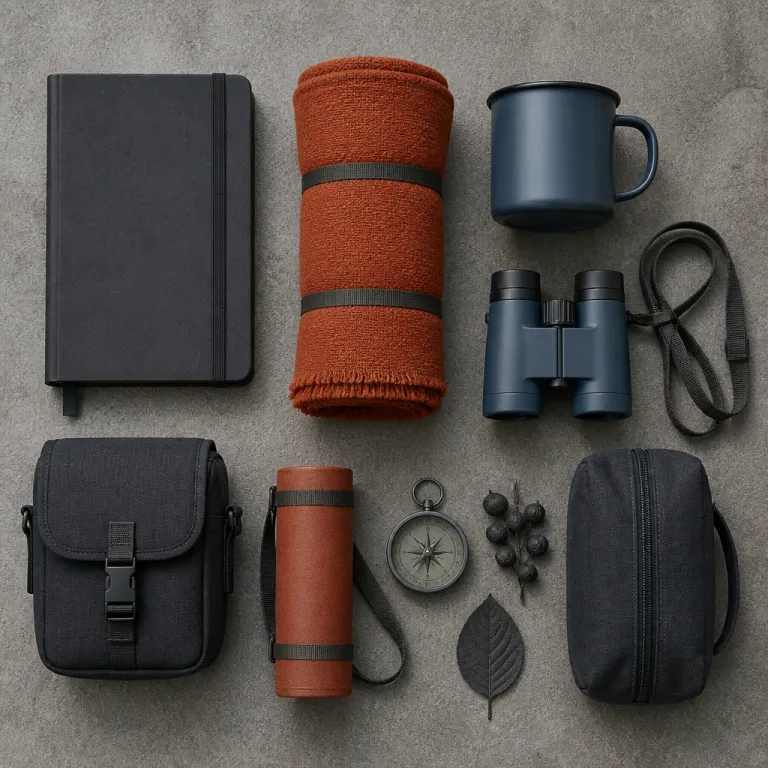
Pack light, breathable clothing in neutral colors, a good insect repellent, a wide brimmed hat, and waterproof layers for canoe tours and forest walks. Closed shoes with good grip are important for terra firme trails, and a compact pair of binoculars will greatly enhance wildlife viewing from the canopy tower and lake edge. The lodge provides essentials such as rubber boots for certain tours, so you can keep your luggage focused on comfort and personal items.