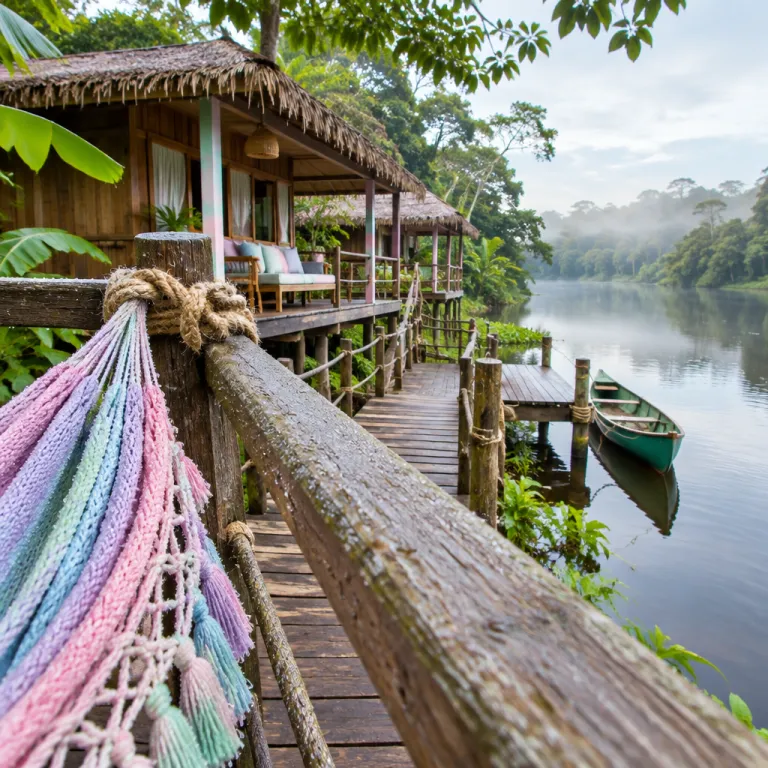
Section 1 – How the amazon tourism model reframes luxury this world tourism day
World Tourism Day arrives with the usual speeches about sustainability and glossy sustainability tourism pledges. In the amazon rainforest, the most interesting amazon tourism model world tourism day sustainability story is not on a conference stage but on a shaded riverbank where a 12 room lodge quietly rewrites what hospitality tourism can be. For business leisure travelers used to marble lobbies and five star suites, this is where tourism hospitality meets a different definition of luxury.
Here, the view is not a skyline but a flooded forest where macaws cross the amazon in low arcs. That shift in view changes how you think about tourism development, because every guest night either supports local communities or pushes them toward extractive work. The best properties treat tourism as a force good for people planet, using sustainable practices and careful management to keep guest numbers low and impact even lower.
In this corner of the tourism industry, sustainable tourism is not a slogan on a website footer. It is a daily operational choice that links travel, conservation, and local livelihoods through responsible tourism contracts and transparent revenue sharing. As world tourism debates sustainability goals in air conditioned halls, the amazon rainforest quietly offers a working prototype of tourism sustainable thinking that mainstream global brands still struggle to match.
Section 2 – Capacity limits, conservation results, and what luxury guests rarely see
Ask a general manager in São Paulo about revenue, and you will hear about occupancy targets and average daily rate ; ask a lodge manager in the amazon rainforest, and you will hear about carrying capacity and nesting seasons. Most high end jungle properties cap tourism hospitality at 20 to 40 guests, not because demand is weak but because long term resilience depends on strict limits. This is the amazon tourism model world tourism day sustainability rarely highlights during celebratory speeches about world tourism and future tourism.
Those limits are not theoretical ; Brazilian Amazon deforestation alerts have fallen to their lowest 12 month level since 2014, and sustainable tourism is one of several levers behind that shift. When you book an eco friendly suite reached by floatplane, you are buying into sustainability tourism that treats forest cover as the core asset, not a backdrop. For travelers weighing the carbon argument, this detailed analysis of why a floatplane to Anavilhanas is not the climate failure critics claim, in a dedicated carbon focused perspective on Amazon travel, shows how responsible tourism can outperform many urban stays on a per night basis.
Policy is catching up with these sustainable practices, and that matters for any executive planning travel that aligns with corporate sustainability goals. Brazil’s Eco Invest program has directed hundreds of millions of dollars toward eco friendly infrastructure that supports tourism development without fragmenting habitat, while eight major banks have pledged billions more in long term financing. For luxury guests, the quiet result is a room that feels intimate and remote, yet sits inside a broader management framework where tourism industry capital, conservation science, and local communities share the same sustainability goals.
Section 3 – Community ownership, revenue sharing, and what your booking really funds
On paper, a five star river lodge in the amazon may look like any other high end property, with polished service and curated excursions. In practice, the amazon tourism model world tourism day sustainability conversation starts with who owns the land, who guides the walks, and who receives the profits. At places such as Posada Amazonas in Peru, local communities hold equity stakes and receive a defined share of tourism revenue, turning hospitality tourism into a structured partnership rather than a distant corporate asset.
For a business traveler extending a trip, this means your room rate is not just a line item on an expense report. It becomes part of a transparent chain that funds naturalist salaries, ranger patrols, and scholarships for young people from local communities who might otherwise enter logging or mining. If you want to see how this works in practice, a detailed breakdown of what your amazon lodge booking actually funds is available in this analysis of room rates and rainforest protection flows, which reads almost like a financial report for responsible tourism.
These models turn ecotourism from marketing content into measurable impact, aligning tourism development with people planet outcomes that auditors can track. They also create knowledge economy jobs, where local naturalists translate complex sustainability practices into guest experiences that feel effortless yet rest on rigorous management. For travelers who care about sustainable transformation rather than slogans, this is where tourism hospitality becomes a genuine force good, and where sustainability tourism moves from abstract sustainability goals to lived reality.
Section 4 – Booking strategy for executives: aligning comfort, connectivity, and sustainability
For an executive used to seamless global travel, the amazon can feel like a logistical leap. The key is to treat your booking as a strategic decision that balances connectivity, comfort, and the amazon tourism model world tourism day sustainability principles you want to support. Start by reading each lodge’s sustainability tourism policy with the same attention you would give a quarterly report, looking for clear commitments to sustainable practices, community partnerships, and long term conservation management.
Properties in Peru’s Manu region, for example, combine strong wildlife viewing with credible sustainability tourism frameworks, and this curated guide to luxury stays in Manu National Park is a useful starting point. When comparing options, prioritize lodges that cap guest numbers, publish data on tourism development impacts, and employ guides from local communities in senior roles. These are the places where tourism hospitality and responsible tourism align most closely, and where your stay supports resilience rather than strain.
On the practical side, ask precise questions before you book, and treat the answers as high value content rather than marketing post copy. How is waste managed ; how are staff trained in eco friendly operations ; what share of revenue reaches local communities in the form of salaries, contracts, or profit distributions. The more specific the response, the more likely you are dealing with a hospitality tourism operator that sees tourism industry growth as a tool for people planet outcomes, not just a way to add another star to an online view.
FAQ
How does the Amazon lodge model differ from traditional luxury hotels for sustainability
Amazon lodges typically limit capacity, share revenue with local communities, and tie operations directly to conservation outcomes. Traditional city hotels often focus on scale and standardized services, with sustainability framed as an add on rather than a core management principle. In the rainforest, sustainable tourism is the business model, not a side project.
Can a short business leisure stay in the Amazon really support responsible tourism
Yes, even a three night stay can contribute to responsible tourism if you choose a lodge with transparent community partnerships and conservation programs. Your booking helps fund local employment, ranger patrols, and long term monitoring that would struggle without tourism revenue. The key is to verify how your payment flows, rather than assuming all ecotourism claims are equal.
What should I look for on a booking website to assess sustainable practices
Look for specific details on waste and water management, energy sources, and limits on guest numbers, not just generic sustainability language. Clear explanations of how the lodge works with local communities and how it measures sustainability goals are strong indicators of serious intent. Independent certifications and published impact data add another layer of credibility.
Is connectivity reliable enough for executives who need to work during their stay
Many high end lodges now offer reliable satellite or long range wireless connections in common areas, though speeds rarely match major cities. If you need to join video calls, confirm bandwidth and backup options before booking, and plan critical meetings for days in gateway cities. For email and document work, most properties can support business needs while still maintaining an eco friendly footprint.
How does World Tourism Day relate to choosing an Amazon lodge
World Tourism Day is a useful moment to reassess how your travel choices align with sustainability tourism principles. Booking an Amazon lodge that practices responsible tourism and supports local communities turns the event’s themes into concrete action. It also signals to the wider tourism industry that guests value models where people planet and profit are managed together.