Selva Peru as a luxury rainforest destination
Selva Peru is the vast Amazon rainforest region that covers around 60 percent of the country’s territory, according to Peru’s Ministry of the Environment (MINAM) and the National Institute of Statistics and Informatics (INEI). This immense selva region, stretching across the Amazon Basin, shapes the climate, the rivers, and the way luxury jungle lodges operate for high-end travel. Only about 11 percent of the Peruvian population lives here, which means space, silence, and an intense connection with the jungle.
When travelers speak about the Peruvian Amazon, they usually mean three main gateways in this rainforest region. Iquitos in the north, Puerto Maldonado in Madre de Dios, and the Manu area near Cusco each offer different styles of lodges, river access, and rainforest experiences in Selva Peru. Understanding how these areas differ helps you choose the right level of comfort, remoteness, and access to national parks or national reserves.
The selva of Peru is not a single uniform jungle but a mosaic of landscapes. Experts divide it into Selva Alta, Ceja de Selva, and Selva Baja, which means high jungle, mountain eyebrow, and low jungle plains. For luxury travelers, this matters because road access, river navigation, and the type of jungle lodges available change dramatically between these zones of the Peruvian Amazon.
In Selva Baja, the lowland Amazon rainforest, you find broad rivers like the Amazon River and its tributaries, along with many jungle lodges that rely on boat transfers. In the Ceja de Selva, cloud forest slopes lead toward Machu Picchu and other Andean sites, allowing you to combine Peru selva stays with iconic highland travel. Selva Central and San Martín, meanwhile, offer a quieter side of Peruvian Amazonia, with emerging luxury lodges and less crowded trails.
For travelers coming from the United States or Europe, Selva Peru often feels like an encyclopedia of biodiversity brought to life. Every walk reveals new species of birds, insects, and plants, while expert guides explain how Indigenous communities such as the Asháninka and Shipibo-Conibo use them for food and medicine. This blend of scientific interpretation and cultural context is what elevates a simple jungle visit into a premium rainforest journey.
- Best for: Wildlife, river journeys, Indigenous culture, and secluded luxury lodges
- Ideal stay: 3–5 nights in one region, or 6–8 nights combining two areas
- Typical budget: From around US$450–900 per person per night at high-end lodges, including guided excursions and meals
Key gateways: Iquitos, Puerto Maldonado, Manu and Selva Central
Choosing between Iquitos, Puerto Maldonado, Manu, and Selva Central is the first strategic decision when planning a luxury stay in Selva Peru. Iquitos sits deep in the Amazon Basin, accessible only by river or air, and serves as a major hub for Amazon cruise departures on the upper Amazon River. Puerto Maldonado, by contrast, lies on a paved road from Cusco and near Madre de Dios river confluences, making it ideal for combining Machu Picchu with a rainforest lodge.
Manu and the surrounding Manu National Park area are world renowned for wildlife, yet access is more complex and often involves a long road journey followed by river travel. High-end jungle lodges here focus on small groups, expert guides, and deep immersion in the Peruvian Amazon rainforest. Selva Central and San Martín offer a different rhythm, with road-linked towns, coffee and cacao farms, and emerging luxury lodges that appeal to travelers seeking quieter rainforest regions.
In Iquitos, many premium travelers choose between sophisticated jungle lodges and upscale Amazon cruise options. Cruises such as Delfin Amazon Cruises navigate the Amazon River and its tributaries, allowing guests to explore multiple ecosystems while returning each night to air-conditioned suites and fine Peruvian cuisine. For those who prefer to stay put, lodges near Iquitos often feature elevated walkways, private plunge pools, and curated excursions into surrounding jungle.
Puerto Maldonado and the wider Puerto Maldonado region in Madre de Dios are particularly strong for first-time visitors to Selva Peru. Here, luxury jungle lodges such as Inkaterra Reserva Amazónica sit along rivers and oxbow lakes, with easy access to national reserves that protect clay licks and flooded forests. Because Puerto Maldonado connects by road and air, it works well for travelers from the United States who want a short rainforest extension after visiting Machu Picchu.
Manu National Park and its buffer zones demand more time but reward serious nature lovers. Regulations limit lodge numbers and visitor flows, which keeps wildlife encounters intimate and supports long-term conservation of rare species. For a broader view of refined rainforest stays across the basin, you can compare Peruvian options with curated properties around Manaus through this guide to refined rainforest stays for luxury travelers in Brazil.
Example 5-day luxury itinerary from Cusco:
- Day 1: Fly Cusco–Puerto Maldonado, boat transfer to lodge, sunset river cruise.
- Day 2: Dawn visit to macaw clay lick, afternoon canopy tower and night walk.
- Day 3: Oxbow lake canoeing, giant river otter search, evening tasting menu.
- Day 4: Community visit or rainforest canopy walk, spa treatment, stargazing.
- Day 5: Morning birdwatching, boat and road transfer back to Puerto Maldonado for onward flight.
Wildlife rich rainforest adventures from luxury lodges
Luxury jungle lodges in Selva Peru are designed to bring you close to wildlife while maintaining comfort and privacy. Early morning boat rides along quiet river channels reveal macaws, herons, and sometimes giant river otters in oxbow lakes. Night walks in the jungle with an expert guide open an entirely different encyclopedia of species, from tree frogs to bioluminescent fungi.
In the Puerto Maldonado and Madre de Dios region, many high-end lodges sit near clay licks where parrots and macaws gather in spectacular numbers. These national reserve areas protect fragile rainforest habitats, and lodge-based guides manage viewing times to reduce stress on the birds. Around Manu and the broader Manu National Park area, canopy towers and hidden blinds allow you to watch wildlife at eye level without disturbing natural behavior.
Seasonality shapes every rainforest adventure in the Peruvian Amazon. During lower water months, forest trails open and wildlife concentrates along shrinking water sources, making sightings more frequent. To understand how water levels influence animal behavior across the wider Amazon rainforest, this analysis of dry season wildlife in the Amazon offers useful context for planning your visit.
In Iquitos and the northern Peru Amazon, some luxury itineraries combine lodge stays with short Amazon cruise segments. This pairing lets you explore flooded forest by canoe, then shift to terra firme trails where different species dominate. Selva Central and San Martín, with their mix of cloud forest and lowland jungle, are particularly strong for birdwatchers who want to see both Andean and Amazonian species in a single trip.
Whatever region you choose in Selva Peru, the quality of your expert guide will define the depth of your experience. Skilled naturalists can interpret animal tracks, explain the role of each species in the rainforest, and connect you with Indigenous knowledge when visits to Asháninka or Shipibo-Conibo communities are included. This human connection turns a simple jungle excursion into a nuanced understanding of Peruvian Amazonia.
Design, comfort and sustainability in high end jungle lodges
Modern luxury lodges in Selva Peru balance comfort with environmental responsibility. Many properties in the Peruvian Amazon use solar power, natural ventilation, and locally sourced materials to reduce their footprint in the rainforest. Elevated walkways and stilted rooms protect fragile jungle soils while giving guests panoramic views of the river or canopy.
In Puerto Maldonado and Madre de Dios, leading lodges often operate within or adjacent to national reserves, which imposes strict building and waste management standards. Water treatment systems, controlled lighting, and limited guest numbers help protect sensitive species that rely on dark, quiet rainforest nights. Around Manu National Park, some properties work directly with Indigenous communities to co-manage trails and cultural activities, ensuring tourism revenue supports local livelihoods.
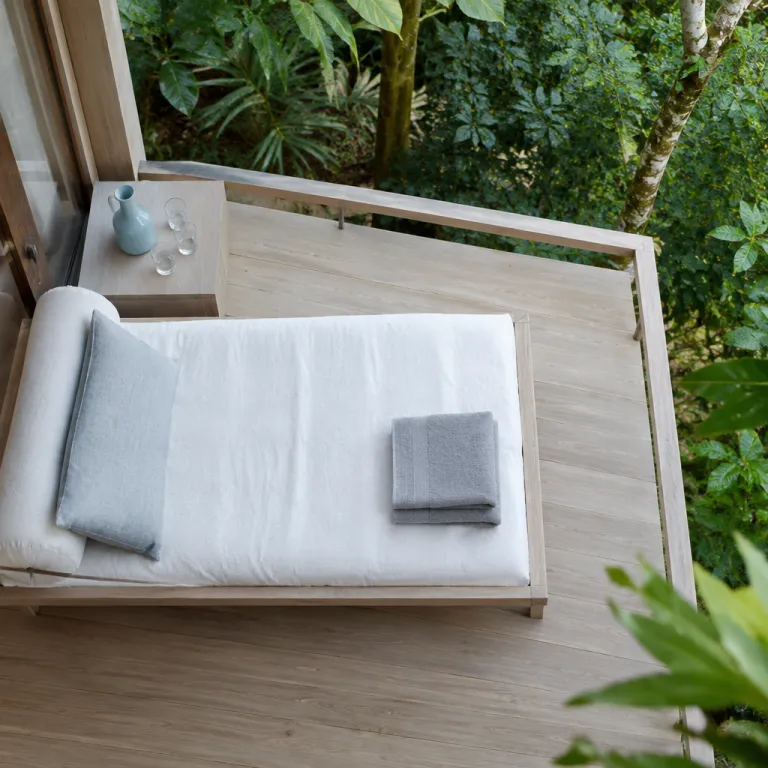
Comfort levels in the Peruvian Amazon now rival upscale properties in major cities, though always adapted to the jungle context. Expect spacious suites with screened windows, high-quality linens, and often private terraces facing the river or forest. Air conditioning is available in some lodges, especially near Iquitos and in certain Peru Amazon cruise cabins, while others rely on fans and clever architectural design to keep rooms cool.
Thoughtful details distinguish true luxury in the selva region. Turn-down services might include natural insect repellent and a prepared mosquito net, while gourmet menus highlight Peruvian ingredients such as river fish, Amazonian fruits, and Andean grains. Many lodges also offer wellness programs that integrate rainforest plants into spa treatments, always under guidance that respects Indigenous knowledge and national regulations.
For travelers comparing different rainforest regions, it can be helpful to look at how design and sustainability are handled in other ecosystems. This profile of an intimate eco lodge in a coastal forest, for example, shows how refined comfort and conservation can coexist in remote settings; see the detailed review of an intimate Pacific rainforest retreat for discerning travelers. The same principles now guide many of the best jungle lodges across Selva Peru and the wider Peruvian Amazonia.
Planning your selva Peru itinerary: routes, seasons and logistics
Thoughtful planning is essential when booking luxury accommodation in Selva Peru. Distances in the Amazon Basin are vast, and travel often combines flights, road transfers, and river journeys to reach remote jungle lodges. Most visitors fly from Lima or Cusco to Iquitos or Puerto Maldonado, then continue by boat along the river to their rainforest retreat.
Road access varies sharply between regions of the Peruvian Amazon. Puerto Maldonado connects to Cusco by a paved road, which allows overland journeys that reveal the transition from high Andes to lush selva. Manu and parts of Selva Central, including sections of San Martín, involve longer and sometimes rougher road segments, which can be rewarding for travelers who enjoy scenic drives and gradual immersion into the jungle.
Seasonality in the rainforest affects both comfort and activities. High water periods favor canoe-based exploration of flooded forest and easier boat access to remote areas, while lower water seasons open more trails and beaches along the Amazon River and its tributaries. Luxury lodges in Selva Peru adjust their daily programs accordingly, ensuring guests can explore safely and comfortably in any month.
When planning from the United States or other distant markets, allow at least three nights in the Peruvian Amazon to justify the travel time. Four or five nights are ideal if you want to combine multiple regions, such as a lodge near Puerto Maldonado with a short Amazon cruise from Iquitos. If Machu Picchu is also on your list, consider flying into Cusco first, then adding a rainforest extension in Manu or Madre de Dios.
Practical preparation matters as much as itinerary design. Lightweight, breathable clothing, strong insect repellent, and a good hat are essential for any visit to the jungle. Many luxury lodges in Selva Peru provide rubber boots, refillable water bottles, and even daypacks, which simplifies packing and reduces plastic waste in the rainforest region.
Cultural encounters and Indigenous partnerships in the Peruvian Amazon
Beyond wildlife, Selva Peru is home to diverse Indigenous communities whose cultures are deeply intertwined with the rainforest. Groups such as the Asháninka and Shipibo-Conibo maintain languages, art, and medicinal knowledge that have shaped life in the jungle for generations. Respectful cultural experiences can be a highlight of a luxury stay, provided they are organized in partnership with local people.
Many high-end jungle lodges in the Peruvian Amazon now work directly with nearby communities. These partnerships may include employment, guiding, handicraft sales, and co-management of trails or cultural centers within national reserves. When you visit a community as part of a lodge program, ask how revenue is shared and how decisions are made; transparent answers are a strong sign of ethical practice.
Art and design offer another window into the cultures of Selva Peru. Shipibo-Conibo textiles and ceramics, for example, often depict complex geometric patterns inspired by visions and the structure of the rainforest itself. Some lodges in Madre de Dios, Selva Central, and San Martín showcase these works in their interiors, turning guest spaces into living galleries of Peruvian Amazonia.
Cultural revival is a powerful trend across the selva region. Environmental policies that recognize Indigenous land rights, combined with tourism growth to Amazonian reserves, have created new opportunities for communities to share their knowledge on their own terms. When an expert guide from a local village explains the use of a medicinal plant or the story behind a song, the rainforest becomes more than scenery; it becomes a living classroom.
Responsible travelers can support this revival by choosing lodges that prioritize long-term partnerships over one-off visits. Look for clear information about community agreements, training programs, and language preservation efforts in the Peru selva. In doing so, your stay in the Amazon rainforest contributes to both conservation of species and the continuity of cultures that have cared for this region for centuries.
Safety, health and choosing the right expert guide
Safety and health are central concerns when booking luxury accommodation in Selva Peru. Reputable jungle lodges in the Peruvian Amazon maintain detailed protocols for river transport, trail excursions, and wildlife viewing. Boats carry life vests, radios, and trained crew, while lodges keep first aid equipment and evacuation plans aligned with national park regulations.
Before you travel, consult a medical professional about vaccinations and malaria prevention appropriate for the Amazon Basin. Many visitors from the United States and Europe also carry personal medications, high-quality insect repellent, and sun protection to manage the tropical climate. Once in the rainforest region, simple habits such as staying hydrated, using mosquito nets, and following your guide’s instructions significantly reduce health risks.
The choice of expert guide is arguably the most important decision after selecting your lodge. Experienced naturalists in Selva Peru combine scientific training with deep local knowledge, often gained over many years in the jungle. They know how to read river conditions, interpret animal behavior, and adjust routes quickly if weather changes or wildlife appears unexpectedly.
Guides also act as cultural bridges in the Peru selva. Many come from nearby communities and speak both Spanish and Indigenous languages, which enriches visits to villages and sacred sites. When evaluating lodges, ask about guide training, language skills, and group sizes; smaller groups usually mean more personalized interpretation and safer movement through dense rainforest.
Finally, remember that the selva region is a living, dynamic environment rather than a controlled theme park. Trails can become muddy after heavy rain, river levels shift, and wildlife sightings are never guaranteed, even in species-rich national parks. A good expert guide will frame these uncertainties as part of the authentic character of Peruvian Amazonia, helping you appreciate each moment on its own terms.
Key figures about selva Peru and the Peruvian Amazon
- Approximately 60 percent of Peru’s territory is covered by selva, according to national geographic data from MINAM and INEI, which makes the rainforest region the dominant landscape in the country.
- Only about 11 percent of Peru’s population lives in the selva, meaning large areas of the Peruvian Amazon remain sparsely populated compared with the coast and highlands.
- The Amazon Basin, which includes the Peru Amazon and neighboring countries, holds the largest continuous tropical rainforest on Earth, supporting thousands of plant and animal species that are still being catalogued.
- Major rivers in Selva Peru include the Marañón, Huallaga, Ucayali, and Apurímac, which join to form the Amazon River and provide the main transport routes to remote jungle lodges.
- Selva Peru is divided into Selva Alta, Ceja de Selva, and Selva Baja, a classification that helps travelers understand differences in climate, access, and the types of rainforest adventures available.
FAQ about luxury travel in selva Peru
What are the main parts of the selva region in Peru ?
The selva region of Peru is commonly divided into Selva Alta, Ceja de Selva, and Selva Baja. Selva Alta refers to high jungle on Andean slopes, Ceja de Selva is the transitional “eyebrow” zone, and Selva Baja covers the lowland Amazon rainforest plains. This division helps travelers choose between cloud forest, foothill jungle, and deep lowland rainforest experiences.
Which rivers are most important for luxury lodge access ?
The Marañón, Huallaga, Ucayali, and Apurímac rivers, along with the main Amazon River, form the core transport network in Selva Peru. Many luxury jungle lodges near Iquitos and Puerto Maldonado rely on boat transfers along these waterways or their tributaries. When planning, check how long the river journey takes and whether transfers are by covered speedboat or slower open craft.
How does the climate in selva Peru affect travel plans ?
The climate in Selva Peru is tropical and humid, with warm temperatures and heavy rainfall throughout the year. High water seasons favor canoe excursions and access to flooded forests, while lower water periods open more trails and sandbanks along rivers. Luxury lodges adjust their activity programs to these seasonal shifts, so you can travel year-round with different types of rainforest adventures.
What should I pack for a luxury stay in the Peruvian Amazon ?
For a luxury stay in the Peruvian Amazon, pack lightweight, breathable clothing, a wide-brimmed hat, and high-quality insect repellent. Many lodges provide rubber boots, rain ponchos, and even mosquito nets, but it is wise to bring personal medications and a small waterproof bag for electronics. Neutral-colored clothing helps with wildlife viewing, while quick-drying fabrics are more comfortable in humid rainforest conditions.
How do Indigenous communities contribute to rainforest tourism ?
Indigenous communities such as the Asháninka and Shipibo-Conibo play a central role in responsible tourism across Selva Peru. They preserve rainforest culture, languages, art, and medicine, and increasingly participate as guides, hosts, and partners in lodge operations. When tourism respects land rights and cultural autonomy, it can support both conservation of species and the continuity of traditional knowledge in the Peru selva.
