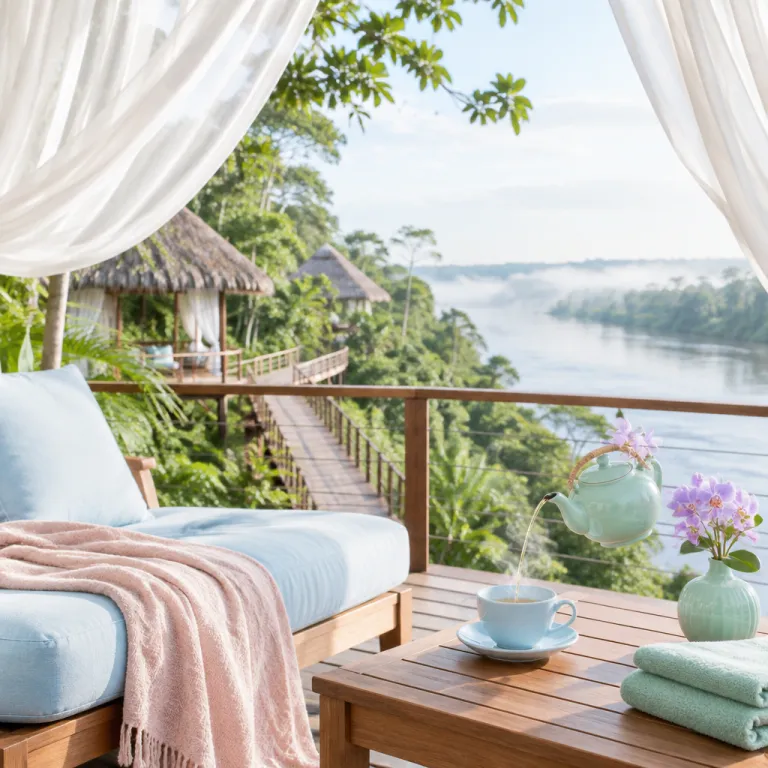
Peru and the Amazon for luxury travelers: where rainforest meets refinement
Peru and the Amazon form a rare union of culture, comfort, and wilderness. In this vast region, the Peruvian Amazon offers travelers a chance to stay in elegant jungle lodge properties while remaining close to pristine wildlife habitats. Choosing the right base along the Amazon River or deep in the Peruvian jungle shapes every day of your trip.
For many travelers, the first decision is which gateway to use for travel into the Amazon Basin in Peru. The main hubs are Iquitos in the north, Puerto Maldonado in the south, and the Manu National Park access corridor that links the highlands to the lowland rainforest. Each region of the Amazon Peru area offers a different balance of river scenery, rainforest species, and cultural encounters, so your preferred style of luxury stay should guide where you visit.
Iquitos sits on the Amazon River itself, far from any road, and it suits travelers who want river-focused itineraries with refined riverboats and high-end jungle lodge options. Puerto Maldonado lies closer to the Andes and Machu Picchu, which makes it ideal for combining an Inca Trail trek with a short Peruvian Amazon extension in the same trip. The Manu National region, reached via Cusco, offers some of the best wildlife viewing in South America, but luxury properties are fewer and the travel time is longer.
Best time to visit the Peruvian Amazon for premium rainforest stays
Choosing the best time to visit the Amazon rainforest in Peru is essential for a comfortable luxury stay. The region has two broad periods, often called the wet season and the dry season, and each shapes how you travel, which species you see, and how your jungle lodge operates. Most travelers planning a high-end trip to the Peruvian jungle prefer the relatively cooler dry season, when river levels drop and wildlife concentrates along shrinking waterways.
During the dry season, trails around many national park areas are more accessible, and small boats can reach hidden oxbow lakes where rainforest wildlife gathers. This is also the best time for photographers who want clear light, stable Amazon River conditions, and longer day excursions without heavy storms interrupting their visit. For a deeper look at how receding waters affect animal behavior, many luxury travel planners now reference specialist analyses of dry-season wildlife patterns when designing bespoke itineraries.
High-water months transform the Amazon Basin into a flooded forest, and this period suits travelers who enjoy canoe-based exploration and close contact with river life. In places such as the Pacaya Samiria National Reserve near Iquitos, the best time for spotting pink river dolphins or arboreal species can actually be when the forest floor is submerged. Whatever time you choose to travel, a reliable Peruvian travel guide or specialist operator will match your preferred level of comfort with the seasonal realities of each national reserve and national park.
Key luxury regions: Iquitos, Puerto Maldonado, Manu, and Tambopata
Each luxury-focused region of Peru and the Amazon offers a distinct character, and understanding these differences helps you select the right jungle lodge or river vessel. Around Iquitos, the Peruvian Amazon feels dominated by the vast Amazon River and its tributaries, with itineraries that glide through flooded rainforest and remote communities. Many travelers here split their time between a refined river cruise and a land-based rainforest stay to experience both perspectives on the Amazon Basin.
Puerto Maldonado serves as the main gateway to the Tambopata National Reserve and nearby protected areas, where some of the best wildlife viewing lodges in South America operate. This region is particularly appealing if you want to combine Machu Picchu and the Inca Trail with a short but immersive rainforest visit, because flight times from Cusco are brief and transfer logistics are straightforward. For instance, a typical three-night stay might include a 50-minute flight from Cusco to Puerto Maldonado, a short road transfer, and a one- to two-hour boat ride upriver to a secluded lodge.
The Manu National Park access route offers a more remote experience, where Peruvian wildlife viewing can be exceptional but travel time is significant. Lodges along the Manu National road and in adjacent national reserve zones cater to travelers who value biodiversity over spa menus, yet several premium properties still provide high comfort in the heart of the jungle. As one long-time naturalist guide in Manu explains, “Guests come here for the chance to see ten monkey species in a day, not for marble bathrooms, and the real luxury is having the forest almost to yourself.” Whether you choose Iquitos, Puerto Maldonado, Manu, or the Tambopata National area, a tailored travel guide will help you balance river excursions, rainforest hikes, and cultural encounters across each day of your trip.
Choosing the right jungle lodge or river cruise in the Peruvian Amazon
Selecting a luxury jungle lodge or Amazon River cruise in Peru involves more than comparing room photos. You need to consider how far into the rainforest you wish to travel, which species you hope to see, and how much time you want to spend on the river versus on forest trails. Some travelers prefer intimate lodges in the Peruvian jungle with just a handful of suites, while others enjoy larger properties with more amenities and structured day programs.
In the Iquitos region, high-end riverboats navigate the Amazon River and its tributaries inside or adjacent to the Pacaya Samiria National Reserve, offering air-conditioned suites and gourmet Peruvian cuisine. These vessels often include expert naturalist guides who lead small-group excursions by skiff, focusing on wildlife such as pink dolphins, sloths, and a wide range of bird species. In contrast, jungle lodge properties near Puerto Maldonado or in the Tambopata National corridor tend to emphasize canopy towers, clay licks for macaws, and guided night walks to reveal the rainforest after dark.
When evaluating options, ask how many travelers each guide accompanies, how far the property sits from the nearest national park or national reserve boundary, and how your visit supports local communities. Some of the best managed lodges in Amazon Peru are co-owned with Indigenous or ribeirinho partners, which strengthens conservation outcomes and enriches cultural experiences. A sample three- or four-day program might include a first afternoon settling into the lodge and enjoying a sunset river cruise, a second day focused on dawn birdwatching and an oxbow lake excursion, and a final morning canopy walk before returning by boat and plane to Lima or Cusco.
Designing an itinerary that links Machu Picchu, the Inca Trail, and the Amazon
Many travelers planning a premium journey to Peru and the Amazon want to combine the high Andes with the lowland rainforest in a single trip. A classic approach is to spend several day segments in Cusco and the Sacred Valley, then hike a section of the Inca Trail or take the train to Machu Picchu, and finally fly to either Puerto Maldonado or Iquitos for a Peruvian Amazon stay. This structure balances culture, history, and wildlife while keeping travel time efficient.
For those heading to Puerto Maldonado after Machu Picchu, a three- or four-day jungle lodge program in the Tambopata National region usually provides enough time to explore rainforest trails, navigate oxbow lakes, and relax in comfort. Travelers who choose Iquitos often opt for a similar length Amazon River cruise combined with a pre- or post-cruise hotel night in the city, which allows them to experience both urban Peruvian culture and remote rainforest landscapes. If you prefer the Manu National route, plan extra days, because road travel from Cusco into the national park buffer zone can take a full day in each direction.
When building a travel guide style itinerary, consider your energy levels after the Inca Trail or long sightseeing days at high altitude. Many guests appreciate ending their Peru and the Amazon journey in the rainforest, where slower river travel, spa treatments, and quiet wildlife watching help them unwind. Whatever sequence you choose, ensure that internal flights, transfer times, and national park entry requirements are confirmed well in advance, especially during the best time windows of the dry season.
Responsible luxury: conservation, culture, and comfort in the Amazon basin
High-end travel in Peru and the Amazon now places strong emphasis on conservation and community partnerships. The Amazon rainforest is home to an extraordinary range of species, and many national park and national reserve areas in Peru depend on carefully managed tourism revenue to fund protection. When you choose a jungle lodge or Amazon River cruise, you are also choosing how your visit will affect the wider region and its wildlife.
Look for properties that employ local Peruvian staff, support research in areas such as the Pacaya Samiria National Reserve or Tambopata National Reserve, and limit group sizes on rainforest excursions. Some of the best operators publish transparent impact reports that detail how each day of your trip contributes to habitat protection, education, or healthcare in nearby communities. In the Iquitos and Puerto Maldonado regions, several lodges collaborate with scientists to monitor key species, from macaws and giant river otters to lesser-known amphibians that indicate ecosystem health.
Responsible luxury also means respecting cultural protocols when you visit Indigenous or ribeirinho settlements along the river. A well-trained travel guide will brief travelers on appropriate behavior, explain how time-honored traditions intersect with modern Peruvian life, and ensure that any handicraft purchases or community fees are fairly distributed. By aligning comfort with conservation and culture, Peru and the Amazon can offer some of the best examples in South America of how premium tourism in the Peruvian jungle supports the long-term future of the Amazon Basin.
Key figures for luxury travel in Peru and the Amazon
- The Peruvian Amazon covers roughly 782,000 square kilometres, representing about 60 percent of Peru’s territory, according to summary figures published by the Peruvian Ministry of Environment (Ministerio del Ambiente, MINAM), which highlights the scale of rainforest available for carefully managed tourism.
- Manu National Park protects more than 1.7 million hectares and hosts over 1,000 recorded bird species, making it one of the most biodiverse national park areas on Earth, as reported in UNESCO’s World Heritage listing for the park.
- The Tambopata National Reserve and adjacent protected zones near Puerto Maldonado shelter at least 600 bird species and around 1,200 butterfly species, based on data compiled by Peru’s National Service of Natural Protected Areas (Servicio Nacional de Áreas Naturales Protegidas por el Estado, SERNANP), which underpins the region’s appeal for wildlife-focused travelers.
- Pacaya Samiria National Reserve near Iquitos spans about 2 million hectares of flooded forest, and conservation organisations working with local authorities estimate that sustainable tourism there supports livelihoods for more than 40 nearby communities.
- Tourism authorities in Peru report that combining Machu Picchu with an Amazon extension increases average trip length by three to four days, which significantly boosts local economic benefits in both the Andes and the rainforest.
FAQ about luxury stays in Peru and the Amazon
What is the best time to visit the Peruvian Amazon for a luxury stay ?
The best time to visit much of the Peruvian Amazon for a luxury stay is usually the dry season, when humidity is slightly lower, mosquitoes are fewer, and trails are more accessible. River levels on the Amazon River and its tributaries are lower, which concentrates wildlife and makes sightings easier. However, high-water months can be excellent for canoe-based exploration, so your ideal time to visit depends on whether you prioritise comfort, photography, or specific species.
Which region is better for upscale lodges, Iquitos or Puerto Maldonado ?
Iquitos offers access to the Pacaya Samiria National Reserve and Amazon River cruises, with several high-end vessels and lodges focused on flooded rainforest ecosystems. Puerto Maldonado and the Tambopata National corridor provide easier connections from Cusco and Machu Picchu, plus renowned properties near clay licks and oxbow lakes. Both regions have excellent options, so the choice depends on whether you prefer river cruising from Iquitos or lodge-based stays near Puerto Maldonado.
How many days should I plan for a rainforest extension in Peru ?
Most travelers planning a premium Peru and the Amazon itinerary allocate three to four days for a rainforest extension, either before or after visiting Machu Picchu. This duration allows time for multiple day and night excursions, some relaxation at the lodge, and buffer time for weather-related delays. If you are visiting more remote areas such as Manu National Park, consider at least five or six days because travel time is longer.
Are luxury lodges in the Peruvian jungle suitable for families ?
Many luxury lodges in the Peruvian jungle welcome families and offer tailored activities for children, such as short guided walks, canopy tower visits, and safe canoe outings. When booking, ask about minimum age policies, room configurations, and whether guides have experience working with younger travelers. Properties near Puerto Maldonado and in the Tambopata National region are often particularly suitable because transfer times are shorter and medical facilities are closer.
How can I ensure my luxury Amazon trip is environmentally responsible ?
To ensure your luxury trip in Amazon Peru is environmentally responsible, choose operators that work inside or adjacent to recognised national park and national reserve areas, publish conservation commitments, and employ local Peruvian staff. Ask how waste is managed, how wildlife viewing guidelines are enforced, and how your visit supports community projects. A reputable travel guide or specialist agency will be transparent about these issues and help you align comfort with positive impact on the Amazon rainforest.