Choosing the right luxury lodge around Yasuni National Park
Yasuni National Park in eastern Ecuador offers one of the most refined rainforest lodge experiences in the entire Amazon basin. Around this vast protected area, high-end properties balance immersion in the Amazon rainforest with comfort, allowing guests to enjoy extraordinary wildlife while returning to air-conditioned suites and curated cuisine. When you plan to visit Yasuni, focus on how each lodge manages access to the forest, the river, and the surrounding indigenous communities.
The park itself lies where the Napo River meets other tributaries, creating a mosaic of flooded forest, terra firme forest, and oxbow lakes that host exceptional biodiversity. Within and around this national area, scientists have recorded some of the highest densities of plant species and bird species on Earth, which is why many experts describe this region as a living biosphere reserve. Peer-reviewed studies and data from Ecuador’s Ministry of Environment indicate that a single hectare of forest in parts of Yasuni can contain more than 600 tree species, and bird surveys list over 600 bird species in the wider area; these figures are summarized in technical reports by the Ministerio del Ambiente and in biodiversity assessments by researchers such as Bass et al. and Valencia et al. For travelers, that means your choice of lodge near Yasuni is not only about comfort but also about how well the property interprets this species-rich landscape through guided walks, canoe outings, and night excursions.
Luxury lodges close to Yasuni National Park and inside its buffer zones usually offer private guides, small group departures, and flexible itineraries over three to five days. Shorter stays can feel rushed, because travel times along the river and into the forest are significant, especially when you navigate the Napo River from Coca into the heart of the Amazon. Aim for at least four days in and around Yasuni’s protected forests, which allows time for sunrise birding, afternoon canoe trips, and relaxed evenings reviewing your photo collection with expert naturalists who know each species by call and behavior.
Understanding the environment, seasons, and river based logistics
Planning a premium stay near Yasuni National Park requires understanding how the Amazon basin shapes daily life and logistics. The Napo River is the main artery for reaching lodges in this part of Ecuador, and its water levels change the timing of transfers, the type of boats used, and even which trails inside Yasuni are accessible. During higher water periods, flooded forest channels open, giving guests a chance to glide silently beneath the canopy and observe wildlife species that remain hidden during drier days.
In lower water seasons, more forest trails emerge, and guides can lead longer walks through terra firme forest where plant species diversity is especially striking. Many luxury properties share detailed calendars of Amazon rainforest water levels, and consulting a practical guide or seasonal chart of river heights helps align your preferred activities with the right month. If you are passionate about bird species, slightly drier periods often provide clearer views from canopy towers, while photographers may appreciate the reflections and misty mornings that accompany higher river stages.
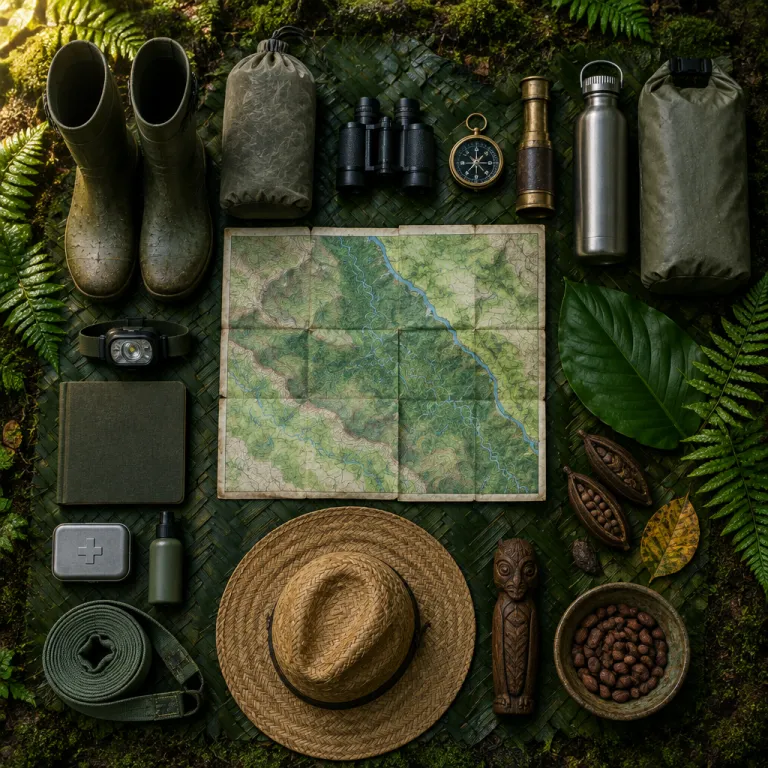
Because Yasuni lies close to the equator, temperatures remain relatively stable, yet humidity and rainfall patterns still influence comfort and packing lists. Luxury lodges around this biodiversity hotspot provide rubber boots, ponchos, and often laundry services, which makes multi-day stays more comfortable even when rain is frequent. When you book, ask how the lodge manages transfers along the Napo River during different water conditions, and verify whether your arrival and departure days still include guided activities or are reserved solely for travel.
Immersive rainforest adventures tailored to luxury travelers
High-end properties near Yasuni National Park design rainforest adventures that respect the fragile biodiversity while still feeling indulgent. Guests can paddle quiet blackwater creeks at dawn, watching wildlife emerge from the forest as the first light touches the river surface. Later in the day, you might climb a canopy tower rising above the rainforest, where sweeping views reveal how the park, the river, and the surrounding Amazon basin interconnect.
Many itineraries around the Yasuni region include visits to clay licks where parrot and macaw bird species gather in spectacular numbers. These experiences are carefully timed over several days to match wildlife behavior, and expert guides help you frame each photo while explaining how different species depend on mineral-rich cliffs and specific plant species. For guests who value culinary experiences, some lodges integrate local ingredients such as Amazonian cacao, and learning about how cacao is grown under the forest canopy can deepen your appreciation of tasting menus served after evening excursions.
Night walks inside Yasuni buffer areas reveal another side of the park, when amphibians, insects, and nocturnal mammals become active. Luxury lodges usually provide high-quality equipment, from powerful yet wildlife-friendly flashlights to rubber boots, so you can focus on the sensory experience rather than logistics. When you visit Yasuni with a premium operator, ask how they tailor activities for photographers, families, or serious birders, and request sample multi-day programs that show how each day balances river travel, forest walks, and relaxed time at the lodge. One guest at a lodge near the Napo River, for example, spent a full afternoon at a single oxbow lake with a private guide, returning with detailed photos of giant river otters and a much deeper understanding of their behavior.
Indigenous culture, Mandari Panga, and ethical experiences
Any luxury stay around Yasuni National Park should engage thoughtfully with the indigenous people who have shaped this forest for generations. Communities along the Napo River, including Kichwa families and other indigenous groups, maintain deep knowledge of plant species, wildlife behavior, and seasonal rhythms that define life in the Amazon rainforest. When you choose a lodge or arrange a visit to Mandari Panga and other community-managed areas, verify that your stay supports locally led projects rather than treating culture as a performance.
Mandari Panga, located near the boundaries of the national park, offers community-based tourism that complements higher-end lodges in the wider Yasuni region. Some travelers split their days between a luxury lodge and a more rustic community stay, gaining insight into both conservation science and daily life for indigenous people who live near key biodiversity zones. Ethical operators ensure that cultural center visits, handicraft demonstrations, and forest walks led by community guides are compensated fairly and scheduled in ways that respect local routines. Community associations in Mandari Panga and other Kichwa territories often publish contact details through regional tourism networks, which can help you confirm how visits are organized and how income is shared.
When you visit Yasuni and nearby Mandari Panga, ask detailed questions about how your payments are distributed between the lodge, the community, and conservation initiatives. Responsible properties around this part of Ecuador often publish transparent information about revenue sharing, employment of local staff, and support for education or healthcare in river communities. Choosing such partners allows your days in the Amazon basin to contribute directly to the resilience of both the forest and the cultures that safeguard it.
Oil drilling, conservation debates, and what guests should know
Yasuni National Park sits above significant oil reserves, and the tension between oil drilling and conservation has shaped policy debates in Ecuador for many years. The initiative known as Yasuni ITT proposed leaving oil underground in a specific area of the park in exchange for international financial support, highlighting how this national treasure functions as both an ecological and political symbol. For travelers, understanding these dynamics adds depth to a luxury stay, because your presence in the Amazon rainforest intersects with broader questions about development, climate, and indigenous rights.
Some zones inside Yasuni remain affected by existing oil infrastructure, while other sectors of the park and surrounding forest are managed primarily for conservation and low-impact tourism. When you book a lodge near the park, ask how far it lies from active oil drilling sites, what flight paths or river routes you will use, and how the property engages with conservation organizations monitoring species and habitat health. Many scientists emphasize that this area of the Amazon basin holds exceptional biodiversity, with tree, amphibian, and insect species counts that rival or exceed entire countries, which makes every decision about land use especially consequential.
Guests can support positive outcomes by choosing operators that advocate for strong protections of the national park and its buffer zones. Look for lodges that collaborate with research projects, contribute data on wildlife sightings, or host visiting biologists who study plant species and bird species inside Yasuni and adjacent forests. Your days in this species-rich park can then become part of a broader story in which high-quality tourism strengthens the case for preserving forest life rather than expanding oil extraction.
How to compare luxury lodges and plan your itinerary
Comparing luxury lodges around Yasuni National Park starts with three pillars: access, guiding, and comfort. Access refers to how easily you can reach prime wildlife areas along the Napo River and within the wider Yasuni landscape, including oxbow lakes, canopy towers, and parrot clay licks. Guiding quality determines how many species you will actually see, how well you understand the forest, and how confidently you can move along trails during both day and night.
Comfort includes room size, air conditioning, mosquito protection, and the overall design of the lodge, from river-facing suites to elevated walkways that keep you above flooded forest during wetter days. Some travelers appreciate properties that echo the refined rainforest stays offered in other regions of the Amazon, such as well-known lodges along the Madre de Dios or Rio Negro. When evaluating options near Yasuni, request sample menus, spa offerings, and details about included activities, because some lodges bundle all excursions while others charge separately for specialized outings like extended photo safaris.
Plan at least four to six days in the Yasuni region if your schedule allows, splitting time between different habitats or even combining a stay near the national park with another area of the Amazon basin. This approach lets you compare wildlife viewing along the Napo River with experiences in other forest types, enriching your understanding of how species adapt to different conditions. For serious photographers and birders, ask about private guiding, custom boat departures at first light, and opportunities to spend unhurried hours at specific sites inside Yasuni where wildlife activity is especially intense.
Extending your Amazon journey beyond Yasuni
While Yasuni National Park represents a pinnacle of biodiversity, many travelers choose to extend their journey to other parts of the Amazon rainforest for a broader perspective. The Amazon basin stretches across several countries, and each region offers distinct combinations of river systems, forest types, and cultural experiences that complement what you see inside Yasuni. For example, blackwater tributaries elsewhere may host different fish and bird species than those found along the sediment-rich Napo River in eastern Ecuador.
Some guests pair a stay near Yasuni with time in Andean cloud forest or coastal ecosystems, creating an itinerary that showcases how national protected areas across the country connect to form a larger biosphere reserve network. When planning such combinations, consider travel days carefully, because flights between regions and transfers along the river can consume more time than expected. Working with a specialist who understands both luxury properties and conservation priorities helps ensure that your extended trip supports responsible operators and minimizes unnecessary internal flights.
Even if you only have a few days beyond Yasuni’s surroundings, you can still deepen your understanding of Amazon life by visiting museums or a cultural center in Quito or Coca that interpret indigenous history, forest ecology, and the legacy of oil development. These visits contextualize what you observed inside Yasuni, from the diversity of plant species to the resilience of indigenous people who continue to defend their territories. By the time you leave this corner of the Amazon basin, you will have experienced not just a luxury lodge stay but a nuanced journey through one of the planet’s most important forest landscapes.
Key figures about Yasuni National Park and luxury stays
- Yasuni National Park covers about 9,820 square kilometres, according to Ecuador’s Ministry of Environment, making it one of the largest protected areas in Ecuador and a core part of the country’s Amazon basin conservation strategy; this figure appears consistently in official park management documents.
- Scientific surveys have recorded more than 600 bird species in and around Yasuni, a number comparable to or higher than the entire avifauna of some European countries, which underlines the park’s global importance for birdwatchers; ornithological checklists compiled for the Napo region summarize these records.
- In a single hectare of forest inside Yasuni, researchers have documented over 600 tree species, a density that exceeds the total number of native tree species found in many temperate nations, as reported in peer-reviewed biodiversity assessments of western Amazonian forests.
- Travel times from Coca to lodges near the Napo River typically range from 2 to 4 hours by motorized canoe, so visitors should plan arrival and departure days that allow for these transfers without rushing activities.
- Community-based tourism initiatives around Mandari Panga and other indigenous territories channel a significant share of guest payments directly into local projects, helping diversify income beyond oil-related employment in the region.
FAQ about luxury and premium stays near Yasuni National Park
How many days should I spend near Yasuni National Park for a luxury stay ?
For a comfortable and rewarding experience, plan at least four days and three nights near Yasuni National Park. This duration allows time for river transfers along the Napo River, multiple guided excursions into the forest, and some relaxed hours at the lodge. Serious wildlife enthusiasts or photographers often choose five to six days to explore different habitats and increase their chances of seeing rare species.
Is it safe to visit Yasuni given the presence of oil drilling in the region ?
Most luxury lodges hosting guests near Yasuni National Park operate in zones that are distant from active oil drilling platforms and related infrastructure. Reputable operators monitor local conditions closely and adjust routes or activities if any safety concerns arise. When booking, ask your lodge to explain its location relative to oil fields and how it manages environmental and safety standards.
What level of comfort can I expect at a premium lodge near Yasuni ?
High-end lodges around Yasuni typically offer spacious rooms with private bathrooms, high-quality mosquito protection, and often air conditioning or powerful fans. Many properties feature gourmet cuisine that incorporates local ingredients, along with well-designed common areas overlooking the river or forest. Some also provide spa services, yoga spaces, and private guides for guests seeking a more personalized experience.
How do I reach luxury lodges near Yasuni National Park ?
Most travelers fly from Quito to the city of Coca, then transfer by motorized canoe along the Napo River to reach lodges close to Yasuni. The river journey usually takes between 2 and 4 hours depending on water levels and the exact location of the property. Some lodges also use short overland segments or smaller boats to access more remote forest areas.
Can I visit indigenous communities such as Mandari Panga during a luxury stay ?
Yes, many premium itineraries near Yasuni include visits to indigenous communities, including Mandari Panga and other Kichwa settlements. Ethical operators coordinate these visits directly with community leaders, ensuring that activities are respectful, fairly compensated, and aligned with local priorities. When planning your trip, ask how community visits are structured and how your stay supports indigenous people in the region.