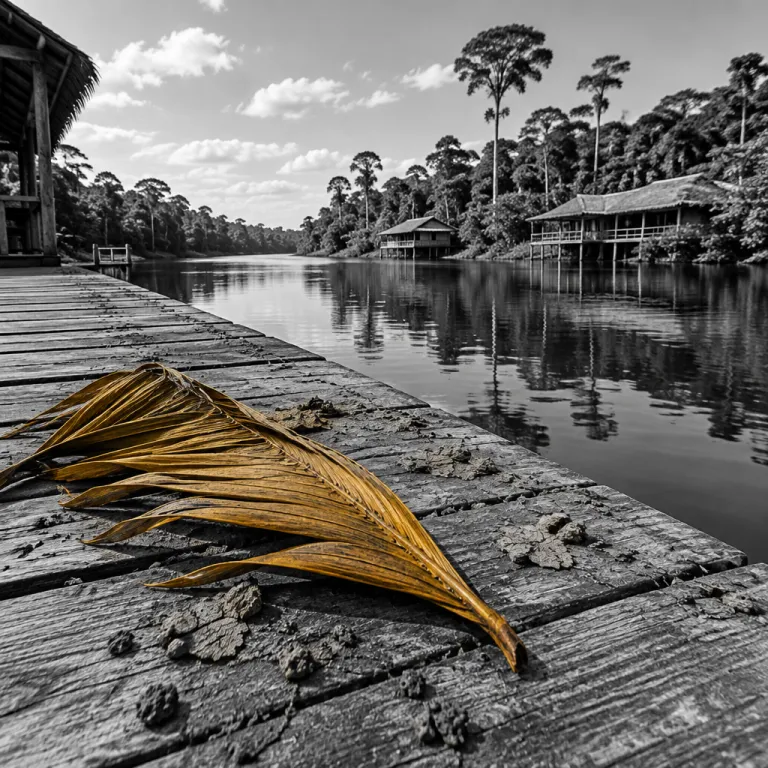
October’s dry-season light and where to base yourself
October in the Amazon rainforest is when the dry season reaches its quiet climax and the light finally slows down. Clearer skies, gentler weather and lower water levels combine to create the kind of late-dry-season light that serious image makers talk about for years. For a solo traveler planning the best time to shoot, this is the moment when the forest, river and wildlife often align.
Across much of the southern Amazon and the wider Peruvian Amazon, river levels sit close to their annual low before the wet season begins to refill every flooded forest and side channel. Around Puerto Maldonado, for example, the Madre de Dios River typically bottoms out between late August and October, while in the Rio Negro basin near Manaus the lowest stages often arrive from September into early November. Shrinking water sources pull wildlife closer to the main river and to the remaining pools, which makes sightings more predictable and gives you more control over your time to visit and frame. Luxury lodges in rainforest Peru and in the Brazilian Amazon understand that this season offers a different pace, so they schedule longer golden hour outings and slower boat drifts along the Amazon River and its tributaries.
Choosing the right property is as important as choosing the right months or seasons. In October, prioritize lodges with direct access to both forest trails and low-water creeks, because the combination lets you work the dry-season light from canopy to riverbank. Look for elevated rooms or viewing decks that face west over the river or forest, since this is where the dry air, long shadows and reflective water turn late afternoon into a private studio. In the southern Brazilian Amazon, for instance, riverfront cabins near Alta Floresta or along the Rio Tapajós often offer this kind of orientation.
For travelers pairing the Peruvian Amazon with Machu Picchu, October can be the best season to balance rainforest humidity with Andean clarity. You can visit Peruvian lowland lodges when the forest is at its driest, then move up to the Sacred Valley once the highland weather starts to soften and the first pre-rainy-season clouds add texture to the sky. This kind of year-round planning lets you experience two very different light signatures in a single trip while keeping your travel time efficient.
How low water and dry air transform the frame
When the dry season reaches October, the Amazon River and its side channels often pull back to reveal pale sandbars, exposed roots and mirror-still black water. Those lower river levels carve out temporary beaches and reflective pools that turn the late-dry-season light into long, clean compositions. You are no longer fighting high water and heavy clouds; instead, you are working with a controlled palette of sky, forest and water, though exact conditions vary between basins and from year to year.
In the wet season, flooded forests and high water create a cinematic mood but also chaotic reflections and unpredictable access. By contrast, the October dry weather means boats can slip into narrow channels where water sources have shrunk, concentrating fish, caiman and river dolphins into tighter spaces that reward patient framing. This is the season when a single bend in the river can hold an entire morning of wildlife viewing as kingfishers, herons and raptors work the same receding pools, especially along oxbow lakes and blackwater creeks.
From a technical perspective, the drier air scatters less light, so sunrise and sunset feel shorter yet more intense near the equator. Plan your time to visit key spots around these brief windows, because the best light may last only twenty or thirty minutes before the sun climbs high. Many premium lodges now design their excursion schedules around this, offering pre-dawn coffee on the dock so you can be on the water when the forest shifts from blue to gold. As a starting point, think in terms of ISO 800–1600, apertures around f/4–f/5.6 for wildlife and shutter speeds of 1/500s or faster for birds in flight, adjusting as the light strengthens.
Between outings, humidity still matters, even in the dry season. Keep your camera in a padded, sealed bag when moving between cool cabins and hot air to avoid condensation, and use silica packs to protect lenses during the year-round swings between wet and dry air. If you are considering a few days of remote work between shoots, choose a property that can genuinely support it, such as those highlighted in our guide to working from the canopy in lodges that handle connectivity.
Wildlife concentration, canopy platforms and ethical guiding
As October advances, shrinking water sources along the Amazon and in rainforest Peru pull wildlife out of the deep forest and toward the edges. Caiman bask on newly exposed banks, wading birds patrol the last shallow pools and pink river dolphins work the tighter channels, all under the softer dry-season light. For a solo photographer, this concentration season offers a rare balance of access and intimacy, especially along side channels of the Rio Negro, Tapajós and Madre de Dios.
High-end lodges in the southern Amazon and the Peruvian Amazon increasingly invest in canopy walkways and elevated platforms that rise above the forest. Shooting from these structures at first light lets you work with clean horizons, layered tree lines and the low-angle sun that defines the best time of day in the dry season. One of the most refined examples is described in our detailed review of Cristalino Lodge, a benchmark for elevated rainforest stays in the Brazilian Amazon, where early-morning sightings can include macaws, toucans and mixed-species flocks moving across the canopy.
On the forest floor, the receding wet season leaves behind pockets of flooded forest and damp clearings that are ideal for macro work. Here, the weather still feels heavy, but the filtered light bouncing off nearby water creates a soft-box effect around insects, frogs and orchids. Ask your naturalist guide to alternate between canopy sessions and ground-level walks so you can experience both perspectives within the same day and respond to how the season offers different moods.
Ethics matter, especially when wildlife viewing becomes easier in the dry months. Work with guides who refuse to bait animals or crowd nesting sites, and be ready to skip a shot if it stresses the subject. The most reputable lodges in the Amazon rainforest train their équipes to prioritize animal welfare over guest demands, which ultimately leads to more authentic encounters and a deeper experience for photographers who plan to return year after year.
Booking strategy, river routes and timing your solo trip
For a photographer building a trip around October’s dry-season light, the booking window is almost as critical as the camera kit. October sits at the hinge between the driest months and the first meaningful rains, so luxury cabins with prime river views and private docks often sell out early. Aim to reserve six to nine months ahead if you want the best rooms aligned with sunrise or sunset over the river.
Think in terms of river systems rather than just countries when you plan your route. The main Amazon River, its southern Amazon tributaries and the Peruvian Amazon headwaters each respond differently to the shift between dry season and wet season, which affects both access and the character of the light. In some stretches, high water lingers longer, while in others the river levels drop sharply, exposing flooded forests that have been underwater for much of the year.
Many travelers pair a stay in rainforest Peru with time in the Brazilian Amazon to experience contrasting forest structures and cultures. You might visit Peruvian lodges near Puerto Maldonado for intimate forest trails, then continue to a river-based property near Manaus, using our guide to what Manaus offers between your international flight and lodge transfer to shape the urban pause. This multi-stop approach lets you read the subtle differences between regions while keeping your focus on light, water and wildlife.
Throughout the article planning phase for your own journey, remember that the Amazon remains a year-round destination, but not every season offers the same photographic rewards. October’s dry conditions, lower water levels and concentrated wildlife make it uniquely suited to solo photographers who value patience over checklists. Build in empty days, accept that weather still has the final word and let the river, forest and changing seasons dictate when you press the shutter.
FAQ
Is October really the best time to photograph the Amazon
For many photographers, October is the best time because it often coincides with some of the lowest river levels at the end of the dry season, especially in basins such as the Rio Negro and Madre de Dios. Wildlife concentrates around remaining water sources, and the mix of clear skies and softer light creates reliable shooting conditions. Other months can be rewarding, but October offers a particularly balanced combination of access, comfort and visual drama for most regions.
How does the dry season change wildlife viewing compared with the wet season
During the dry season, receding water exposes riverbanks and reduces the size of lakes and channels, which pulls animals into more confined areas. In the wet season, flooded forests and higher water spread wildlife across a larger area, making sightings less predictable but often more atmospheric. Both seasons have value, yet October’s concentration effect is especially helpful for solo photographers with limited time.
What camera gear works best in Amazon humidity
Weather-sealed camera bodies and lenses handle humidity and sudden showers better than unsealed equipment. Dry bags, silica gel packs and padded cases help manage condensation when moving between air-conditioned cabins and hot, moist air. A simple microfiber cloth and a blower are essential for keeping lenses clear during long days on the river, and a lightweight telephoto zoom in the 100–400 mm range is particularly useful for birds and mammals.
Can I combine the Amazon with Machu Picchu in one photography trip
Yes, many travelers pair the Peruvian Amazon with Machu Picchu to capture both rainforest and highland landscapes. October works well because the lowland forests are in the late dry season while the Andes often offer clear views and manageable crowds. Plan at least ten to twelve days to avoid rushing and to give yourself multiple chances at good light in both regions, ideally with three or four nights in the forest and a similar amount of time in the Sacred Valley and around Cusco.
Are luxury Amazon lodges suitable for solo travelers focused on photography
High-end lodges across Brazil, Peru and Colombia increasingly cater to solo guests who prioritize nature and photography. They offer small-group or private outings, flexible schedules around sunrise and sunset and guides who understand camera workflows. When booking, state your photographic goals clearly so the team can match you with the right naturalist and the most suitable excursions, and ask about maximum group size on boats and forest walks.