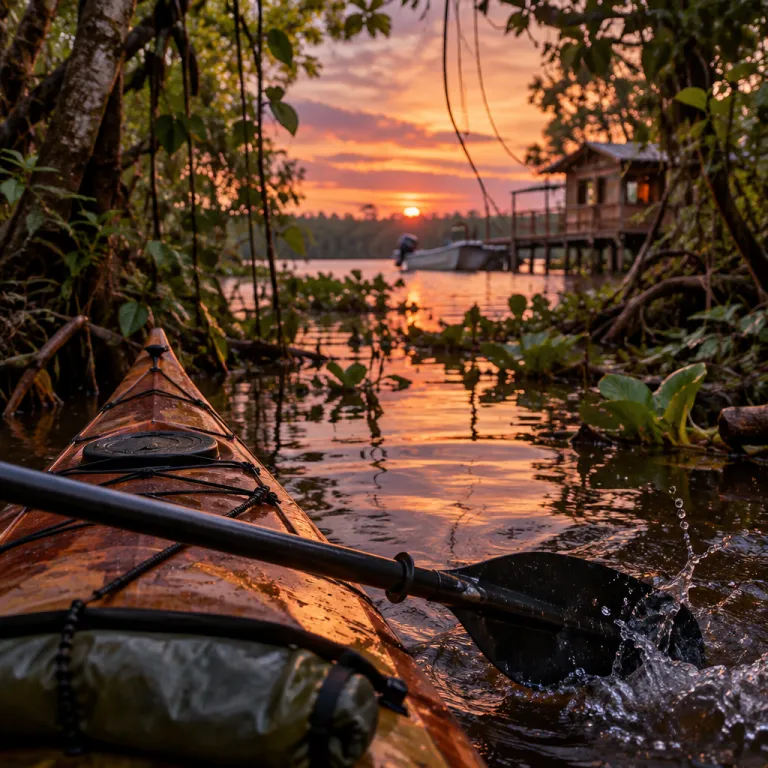
Why the quiet paddle changes what the rainforest reveals
On a motorized skiff, the engine reaches the forest long before you do. During an Amazon kayak tributary experience, luxury‑minded couples slip in almost silently, and the riverbank wildlife reacts very differently. That contrast shapes every Amazon adventure and should shape how you plan your trip.
Engines on an Amazon River skiff vibrate through the water and air, so birds lift early, primates retreat higher, and shy mammals vanish before your guide will even raise binoculars. In a kayak, your paddle dips are the loudest sound, which means more time with macaws on exposed branches, squirrel monkeys crossing overhead, and capybaras still grazing at the edge of the Amazon rainforest. For couples used to fast tours, this slower rhythm feels like a private screening of jungle life rather than a rushed group show.
Luxury lodges across Brazil and Peru increasingly understand that silence is the rarest amenity in the jungle. When a jungle lodge adds guided kayaking on its creeks and side channels, it is not just another activity; it is a different way of reading the river and its tributaries. Choose an Amazon property that treats paddling as a core experience, not a token option, and you will find the quiet, water‑level encounters you came for.
Where paddles belong and where engines still matter
Not every stretch of the Amazon River is suited to a tranquil kayaking trip. The main channel near Manaus or Iquitos can run fast, carry heavy traffic, and funnel wind that turns a romantic day into a tiring slog. The refined side of exploring Amazon tributaries by kayak lives in the quieter waters that branch away from the big river.
Look for calm igarapés, blackwater creeks, and flooded forest margins where the water barely wrinkles around your hull. In these places, a guide will steer you between buttress roots and over submerged branches, explaining how medicinal plants cling to the shaded banks while kingfishers hunt in the open light. Blackwater tributaries such as stretches of the Rio Negro or channels near Yasuní National Park in Ecuador filter tannins from the jungle, creating tea‑colored water that reflects the canopy like a mirror and amplifies every bird call.
Engines still earn their place on an Amazon cruise or river cruise, especially when distances are long and daylight is short. A well‑run Amazon cruise uses skiffs to reach remote creeks, then shifts guests into kayaks for the most intimate part of the day trip, combining reach with quiet. When you compare refined Amazon River cruise itineraries, focus on how many hours are allocated to small‑group paddling rather than only scenic transits, and use detailed Amazon tour descriptions to check that kayaks are used in tributaries, not just on open water.
The couple’s perspective: shared silence, shared sightings
For couples, the appeal of slipping into narrow channels by kayak is as emotional as it is visual. You sit low on the water, close enough to trail fingers through the current, with only your partner, your guide, and the forest in earshot. Phones stay zipped away because balance, paddling rhythm, and the next bend in the river demand your attention.
On a well‑planned day trip, a guide will set you up in double kayaks so you move together, matching strokes and sharing each sighting in real time. One moment you glide beneath a troop of howler monkeys, the next you pause to watch a pair of pink river dolphins surface where a side channel meets the main Amazon River. That shared focus turns a simple kayaking trip into a relationship memory, the kind that later makes city noise feel strangely distant.
Luxury properties that understand romance in the Amazon rainforest design their programs around these quiet windows. Some pair morning paddles with slow breakfasts back at the lodge, others follow an afternoon Amazon kayaking session with a candlelit dinner on a floating deck. When you browse curated collections of refined rainforest stays in style, such as the selection of elegant jungle properties highlighted in refined Amazon getaways for rainforest stays in style, look for language about small‑group paddling, limited group sizes, and guides who stay close enough for quiet interpretation.
Seasonality, safety and the realities behind the romance
A refined kayak outing on Amazon tributaries depends heavily on water levels, which shift dramatically between high and low seasons. During high water, typically from March to June in many central Amazon regions, flooded forests open like temporary lakes, and your guide will lead you between tree trunks where fish feed on fallen fruit and birds nest just above eye level. In low water, often August to November, those same channels may shrink to narrow streams, revealing sandbars where caiman bask and peacock bass hunt in clear shallows.
Safety is non‑negotiable, and serious jungle lodge teams treat it that way. Reputable operations provide proper buoyancy aids, stable kayaks, and naturalist guides who understand currents, submerged logs, and the behavior of caiman and other wildlife. They will cancel or reroute a kayaking trip if storms build, if the river rises too quickly, or if a section known for strong eddies becomes unsafe for a couple focused more on romance than whitewater technique.
Skill requirements stay modest for most Amazon tours that feature paddling, but honest briefings matter. Expect a short orientation on paddle strokes, communication signals, and what to do if you tip in warm water, plus clear rules about not reaching toward wildlife or grabbing overhanging branches. As one veteran guide in the central Amazon told the World Wildlife Fund, “We keep guests close, quiet, and always upstream of any risk,” a philosophy echoed in safety guidelines from organizations such as WWF and Rainforest Alliance. When a property explains similar protocols clearly in its pre‑arrival materials, it signals the kind of operational discipline you want behind your time on the water.
Choosing lodges that take paddling seriously, not symbolically
From Manaus to remote corners of Peru and Ecuador, many properties now advertise kayaks, yet not all deliver meaningful time on tranquil tributaries. Some keep a few faded boats on a rack, roll them out for a quick photo opportunity, then steer guests back to the engine‑powered routine. Your task, as a couple planning a high‑value trip, is to separate symbolic gear from serious programming.
Start by reading daily sample itineraries and counting how many hours are dedicated to guided Amazon kayaking rather than generic boat tours. A strong program will mention specific tributaries, wildlife expectations, and group sizes, and it may reference specialist themes such as medicinal plants, birdwatching, or photography. For instance, a three‑night stay might include two morning paddles of about three hours each and one shorter sunset outing, all in groups of six or fewer.
Properties that invest in thoughtful paddling often invest in broader rainforest interpretation as well. You will find them pairing kayak outings with night walks, canopy platforms, and, in some regions, add‑on journeys to other landscapes such as Chapada Diamantina or coastal retreats like Fernando de Noronha for a contrasting end to your Amazon adventure. When researching refined jungle stays near iconic waterfalls, such as those presented for Iguazú at refined jungle stays near Iguazú, apply the same filter; prioritize places where paddling, guiding depth, and small‑group ethos are clearly central.
How paddling reframes luxury across the wider Amazon basin
Once you have felt the quiet of a tributary from a kayak, the definition of Amazon luxury shifts. Comfort stops being about marble bathrooms and becomes about time, access, and the quality of guiding on the river. That lens helps you evaluate everything from an intimate jungle lodge to a larger Amazon cruise vessel.
On the Brazilian side, blackwater stretches of the Rio Negro near Manaus offer some of the gentlest water for couples, with fewer insects and a reflective surface that doubles every sunset. In Peru, oxbow lakes and slow meanders off the main Amazon River near lodges such as Reserva Amazonica reward early starts, when your guide will point out giant river otters and explain how local communities use medicinal plants along the banks. In Ecuador, the channels near Yasuní National Park bring you close to clay licks, canopy towers, and some of the highest wildlife densities in the entire Amazon rainforest.
Thoughtful itineraries weave these experiences together, sometimes pairing a few nights in a jungle lodge with a short segment on a refined river cruise that treats skiffs and kayaks as complementary tools. Collections of refined Amazon cruises along the rainforest’s most luxurious river routes, such as those presented in refined Amazon cruises along the rainforest’s most luxurious river routes, are especially useful for comparing how operators balance engine time with paddle time. For couples, the winning formula is clear: choose the itinerary that gives you the most hours at water level, moving under your own power, with a skilled naturalist close enough to hear your questions without raising their voice.
FAQ
Is kayaking in the Amazon safe for first time paddlers?
Kayaking in the Amazon rainforest can be safe for beginners when it is limited to calm tributaries, blackwater creeks, and sheltered flooded forests. Reputable lodges provide stable kayaks, life jackets, and a guide within easy reach, and they avoid strong currents or busy sections of the Amazon River. If you are nervous, request a double kayak so you and your partner can paddle together under close supervision.
What is the best time of year for an Amazon kayak tributary experience luxury?
The best season depends on what you want to see and how you like to move on the water. High water opens flooded forests and lets you paddle deep among trees, while low water concentrates wildlife along exposed banks and sandbars. Ask each lodge how water levels affect their specific kayaking routes rather than relying on a single generic month range.
How does a kayak outing compare with a standard skiff tour?
A skiff tour covers more distance quickly, which is useful for reaching remote areas or during a tightly scheduled day trip. A kayak outing trades speed for silence, bringing you closer to birds, primates, and riverbank mammals that often move away from engine noise. Couples usually find that one long paddle delivers more memorable wildlife encounters than several short high‑speed passes.
What should couples pack specifically for Amazon kayaking?
For an Amazon kayak tributary experience luxury, focus on light, quick‑drying clothing, a wide‑brimmed hat, polarized sunglasses, and a small dry bag for cameras or phones. Footwear should handle getting wet, such as sandals with heel straps or thin water shoes. Add reef‑safe sunscreen and insect repellent, and leave bulky backpacks on the skiff or at the lodge to keep the kayak uncluttered.
Can we combine kayaking with an Amazon cruise itinerary?
Many higher‑end Amazon cruise operators now include guided kayaking from their river cruise vessels, especially on quieter tributaries and lakes. When comparing Amazon tours by boat, look for daily plans that specify paddling time, group size, and the types of water you will visit. The most rewarding itineraries use the ship for long transits, skiffs for access, and kayaks for the most intimate, wildlife‑rich segments.