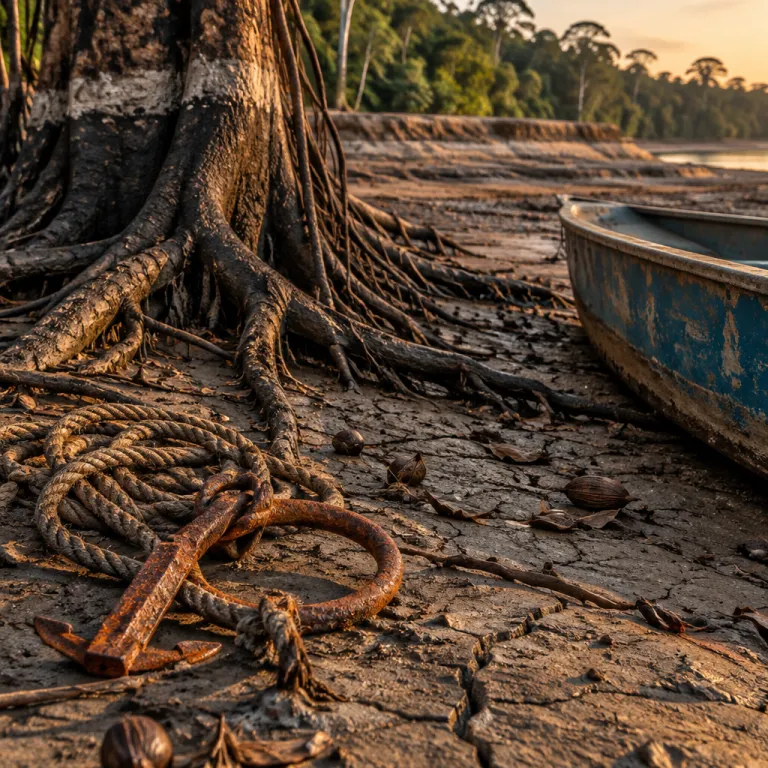
Why october’s low water rewrites the luxury amazon itinerary
October in the Amazon rainforest is the moment when the rivers pull back and the forest finally lets you walk its floor. For independent travelers planning amazon rainforest october travel dry season journeys, this is the one time of the year when low water turns the usual canoe circuit into a network of exposed trails, pale sandbars, and animal tracks pressed into drying mud. If you have always imagined the rainforest as a place to hike rather than just drift, this is your best time to visit amazon on foot.
Across much of the central Amazon River basin, the dry season runs roughly from June to November, with river levels usually bottoming out toward the end of October before the wet season slowly returns. That hydrological rhythm shapes every luxury lodge program, every river cruise route, and every decision about where to visit the Amazon rainforest for serious wildlife tracking. When you are planning amazon rainforest october travel dry season stays, you are really planning around water levels, not just around weather.
Low water in this season exposes beaches, unveils the flooded forest floor, and concentrates wildlife along the remaining channels and oxbow lakes. The same rainforest weather that brings heavy rain in other months now shifts to shorter showers, so trails dry quickly and walking excursions become the core of many itineraries. For a solo explorer, that mix of manageable rain, cooler nights, and long dry stretches creates a rare balance between comfort and immersion during visiting Amazon trips.
In Brazil, around Manaus and along the main Amazon River, october’s low water season can mean that some narrow igarapés become too shallow for motorized canoes, even as sandbars appear like private beaches in front of high end lodges. In the Peruvian Amazon around Puerto Maldonado and the Tambopata region, the same time of year opens clay lick access and deep forest trails that are often flooded during the high water season. Across these regions, amazon rainforest october travel dry season planning is less about chasing the wet spectacle and more about curating the right mix of river and rainforest experiences.
Weather in the Amazon at this time is still hot and humid, but the combination of lower rain frequency and lower water levels changes how you move, not just how you feel. Many travelers imagine the rainy season as the only time to see a flooded forest, yet october’s low water reveals the architecture of buttress roots, leaf litter, and tapir paths that are invisible when the forest is waist deep in water. If you are choosing between seasons, think of the wet season as a canoe and river cruises season, and the dry season as the walking and tracking season.
Because the Amazon rainforest spans several countries and climates, rainforest weather is never uniform, and october in one region can feel like late dry season while another is already shifting back toward a wetter water season. That is why serious travelers planning amazon rainforest october travel dry season itineraries treat each lodge’s river gauge and rainfall data as carefully as they would flight schedules. The reward is a trip where every time you step from boat to trail, the conditions feel purpose built for exploration rather than improvised around the rain.
What low water unlocks: walking, tracking, and beaches instead of canoes
When the Amazon River and its tributaries reach their low water mark in october, the forest changes from a liquid labyrinth into a walkable world. Channels that were part of the flooded forest during the high water months shrink back, leaving firm ground where naturalist guides can lead long terrestrial hikes straight from your lodge. For travelers focused on amazon rainforest october travel dry season experiences, this is when the forest finally feels like a place to cross on foot rather than just to float through.
On these october walks, you follow peccary tracks along drying streams, step over leafcutter ant highways, and pause at salt licks where tapirs and deer leave fresh prints in the mud. Wildlife behavior shifts with the season, because animals concentrate around the remaining water sources instead of dispersing through the flooded forest, which can make sightings more predictable for patient walkers. This is why many guides quietly call this the best time of the year for serious wildlife tracking, even if the scenery feels less dramatic than during the peak rainy season.
Low water also reveals river islands and beaches that simply do not exist during the wet season, turning afternoon breaks into barefoot swims and sunset caipirinhas on sandbars. In the Peruvian Amazon near Puerto Maldonado, october can mean long sandbanks along the Madre de Dios River, where macaws cross overhead while you cool off in surprisingly clear water. In Brazil, some luxury properties use this season to set up private picnic lunches on remote river beaches, a style of hospitality that only works when the river has pulled back.
There is a trade off, and you should be honest with yourself about it before booking any lodge or river cruises during the dry season. Some of the narrowest creeks and blackwater lakes become inaccessible at this time, so canoe based wildlife watching can be shorter or require more portaging than during the high water months. If your dream is to glide silently through a flooded forest with tree trunks rising from the water all around you, then october may not be your best time to visit Amazon waterways.
For the solo explorer who prefers walking to sitting, though, october’s low water season is a gift. Trails that are waist deep in water during the wet season become firm enough for multi hour hikes, and guides can link several ecosystems in a single outing, from terra firme ridges to palm swamps that still hold pockets of water. That variety is what makes amazon rainforest october travel dry season itineraries feel so rich, even when the rain itself has eased.
To understand how this shift plays out month by month, it is worth studying a practical calendar of Amazon rainforest water levels before you commit to dates. Resources such as the detailed water level planning guide on Amazon rainforest water levels by month help you see how each river’s curve affects both walking and boating. With that context, you can choose a lodge where october is genuinely the highlight of the seasons, not an awkward in between time when programs feel compromised.
Choosing the right lodge for an october, walking heavy stay
Not every Amazon lodge is designed for october’s dry season, and that matters when you are paying luxury rates. Some properties in Brazil and the Peruvian Amazon are built around year round river cruises and canoe excursions, which shine during the wet season but can feel constrained when low water limits access to side channels. Others have invested in extensive trail networks, canopy towers, and remote camps that only reach their full potential when the forest floor is dry enough to cross.
When you read lodge descriptions for amazon rainforest october travel dry season stays, look for specific references to walking distances, trail types, and how many hours per day you will actually be on foot. A serious property will explain how its program changes between seasons, detailing which lakes are only accessible during high water and which forest circuits open once the flooded forest drains. If a brochure only talks about boat rides and sunset cruises, assume that october will mean shorter routes and more time on the main river.
In the Peruvian Amazon, lodges near Puerto Maldonado often emphasize clay licks, canopy towers, and night walks, all of which benefit from the drier weather and lower water. Around Iquitos, where the Amazon River and its tributaries form a vast flooded mosaic, some high end floating lodges lean more toward the wet season, while land based properties with deep trail systems come into their own in october. On the Brazilian side, remote lodges off the main Amazon River channel may offer more varied rainforest weather experiences, with some creeks still holding enough water for short paddles even as nearby ridges stay dry.
For solo travelers, the question is not just which lodge has the best wildlife, but which one matches your preferred pace and level of independence. Some properties group guests tightly, which can be reassuring in the rainy season but frustrating when you want to linger on a trail in the dry season, watching a troop of tamarins without a schedule pressing you back to the boat. Others are more flexible, allowing you to join smaller groups or arrange private guiding for a day of focused tracking.
Pay attention to how lodges talk about the rainy season versus the dry season, and whether they frame october as a highlight or a shoulder month. A property that celebrates low water as the best time to visit Peruvian forests for walking, or that publishes detailed rainforest weather notes for each time of year, is usually one that has thought carefully about its october program. Those are the places where amazon rainforest october travel dry season trips feel intentional rather than improvised.
Some of the most interesting properties now weave citizen science into their october programs, using the stable trails and predictable wildlife patterns of the dry season to support real research. If contributing to biodiversity monitoring appeals to you, look for lodges that invite guests to join data collection walks or camera trap checks, as described in guides to citizen science on holiday in the Amazon. That kind of engagement turns each time you visit Amazon trails into something more than a photo opportunity, and it works particularly well when the forest floor is dry underfoot.
Climate reality, fitness, and packing for an october walking week
October’s low water is not just a seasonal curiosity ; it is also a climate signal you should treat with respect. In recent years, some parts of the central Amazon have seen unusually intense dry seasons, with the Port of Manaus recording record low river levels that disrupted transport and wildlife patterns. For travelers planning amazon rainforest october travel dry season stays, that means checking current conditions with lodges a few weeks before departure, not assuming that every year will follow the same curve.
Ask your chosen lodge how the current dry season compares with previous seasons, whether any creeks or lakes are inaccessible, and how they are adjusting excursions. Responsible properties in both Brazil and the Peruvian Amazon now monitor weather in the Amazon and river levels daily, and they should be able to tell you honestly whether this is a typical low water year or an extreme one. That transparency is part of what separates serious rainforest operators from generic river cruises that treat the Amazon River as just another scenic backdrop.
A walking heavy week in october demands a different kind of preparation than a mostly boat based visit during the wet season. You will be on your feet for several hours a day in hot, humid rainforest weather, often stepping over roots and through shallow water, so basic leg strength and balance matter more than marathon fitness. Lightweight long trousers, quick drying shirts, and proper ankle support are more important than formal wear, even at the most polished lodge.
Because the forest floor is exposed, you will also encounter more insects and more direct contact with leaf litter than during high water months, when much of the undergrowth is submerged. Good socks, breathable boots, and a disciplined habit of checking for ticks or minor cuts after each walk are part of the reality of amazon rainforest october travel dry season exploration. Pack a small dry bag for electronics, because even in the drier season, a burst of rain or a wet crossing can appear without warning.
For solo travelers, october’s conditions can feel both liberating and demanding. You gain the freedom to move under your own power, to choose a trail over a boat seat, and to feel the texture of the forest with every step, but you also take on more responsibility for your own comfort and pace. That trade off is at the heart of visiting Amazon regions during the dry season, and it is what makes this time visit the rainforest so rewarding for independent minds.
Many travelers pair an october lodge stay with a few days in an Amazon gateway city, using the urban pause to adjust to the climate and river culture. In Brazil, Belém has emerged as a particularly interesting base, with a growing luxury scene that still feels closely tied to the river and its seasons, as explored in depth in this guide to Belém before the jungle. Whether you start in a city or fly straight to Puerto Maldonado or Manaus, remember that the essence of amazon rainforest october travel dry season journeys is simple : the rivers bottom out, the forest floor opens, and for one brief window, the Amazon becomes a place to walk.
FAQ: planning october travel in the amazon dry season
Is october really the best time to visit the Amazon for walking?
October is often the best time to visit Amazon regions if your priority is long forest walks rather than extended canoe trips. River levels in many parts of the Amazon River basin are near their annual minimum, so trails that are flooded during the wet season become accessible. You still need to confirm local rainforest weather patterns with your lodge, because exact timing of the dry season varies by region and year.
How does wildlife viewing in october compare with the rainy season?
Wildlife viewing in october can be excellent, especially for terrestrial species that concentrate around remaining water sources during the low water season. You may see fewer dramatic flooded forest scenes than in the high water months, but you gain more chances to track animals on foot and read fresh prints on the forest floor. Birdlife remains strong year round, though some species’ activity shifts with the changing seasons and local rain patterns.
What should I pack for an october lodge stay in the Amazon rainforest?
For amazon rainforest october travel dry season trips, prioritize lightweight long clothing, breathable hiking boots, and good socks for extended walking on uneven ground. A wide brimmed hat, high quality insect repellent, and a compact dry bag for electronics are essential, because showers can still arrive even in the drier season. Many luxury lodges provide rubber boots for the wettest sections of trail, but it is wise to confirm this before you visit.
Are river cruises a good idea during the october dry season?
River cruises in october offer calmer water and more exposed beaches, but some narrow channels and lakes may be inaccessible at very low water. If your dream is to spend most of your time in small creeks and flooded forest, the peak rainy season or early high water months may suit you better. For travelers who enjoy a mix of cruising and walking, october can still work well, especially on itineraries that include strong land based excursions.
How is climate change affecting october conditions in the Amazon?
Recent years have brought more intense dry seasons in parts of the central Amazon, including record low river levels that disrupted transport and local communities. These shifts mean that october conditions can vary more than they once did, with some years bringing unusually low water and others feeling closer to a typical dry season. The most reliable approach is to ask your lodge for up to date information on river levels, rainfall, and how they are adapting excursions in response.