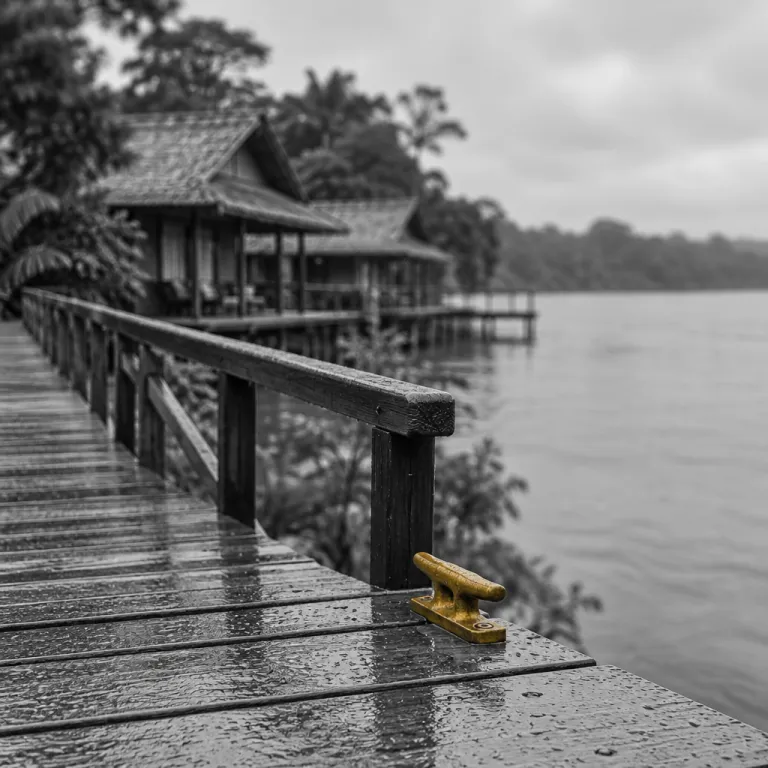
Puerto Maldonado Peru as a refined gateway to the Peruvian Amazon
Puerto Maldonado in south eastern Peru sits at the confluence of the Tambopata and Madre de Dios rivers, forming a natural gateway to the Amazon rainforest and the wider Peruvian Amazon. This low lying city at around 183 metres above sea level offers travelers an easy transition from Andean highlights such as Machu Picchu to the warm, humid embrace of the Amazon jungle. For guests planning a luxury stay, Puerto Maldonado Peru combines reliable air access via Padre Aldamiz International Airport, sophisticated jungle lodges, and immediate immersion in rainforest wildlife.
The city of Puerto Maldonado is the capital of the Madre de Dios region, and its riverside setting allows fast boat transfers to remote lodge retreats along each river. Climate here follows a classic tropical rainforest pattern, with a wet season bringing heavier rain and a contrasting dry season that offers clearer skies and more predictable day tours. Mean annual temperature hovers around 25.4 °C, according to datasets such as WorldClim and the World Meteorological Organization, so packing light breathable clothing is essential for every day and every type of tour or boat ride.
Travelers often pair Machu Picchu with Puerto Maldonado Peru because the short flight from Cusco drops you directly into the Peruvian Amazon. From the small but efficient airport, tour operators meet guests and coordinate private boat transfers to their chosen lodge deep in the jungle. This seamless logistics chain is one reason the Amazon rainforest around Puerto Maldonado has become a leading destination for high end wildlife experiences in Peru, with refined properties such as Inkaterra Reserva Amazonica and Tambopata Research Center setting the tone for luxury.
Choosing a luxury lodge in the Amazon rainforest around Puerto Maldonado
Selecting the right lodge near Puerto Maldonado Peru shapes every aspect of your rainforest experience. Properties along the Tambopata River and the Madre de Dios River range from intimate eco focused hideaways to expansive Peruvian Amazon retreats with spa facilities and fine dining. The most exclusive lodges limit guest numbers, which protects local wildlife and ensures that each day tour or night walk feels personal and unhurried rather than rushed.
When comparing lodges in Maldonado Peru, look carefully at boat transfer times, as some properties require only a short boat ride while others sit several hours deeper in the jungle. Longer journeys usually mean richer wildlife, with more chances to see monkeys, macaws, and giant river otters during the day and at dusk. Shorter transfers may suit travelers who want a comfortable stay with flexible day trips, especially if they are combining Puerto Maldonado with Machu Picchu and have limited time for the Amazon rainforest.
Top tier lodges in the Peruvian Amazon near Puerto Maldonado often operate private concessions bordering Tambopata National Reserve or other protected rainforest. These locations give direct access to clay lick viewing areas, oxbow lakes such as Sandoval Lake, and quiet jungle trails without crowding from other tour operators. For travelers who value refined comfort, look for lodges that match the standards of renowned rainforest properties such as Napo Wildlife Center in Ecuador’s Yasuni region, which is profiled as a benchmark of refined ecolodge stays in the Amazon, or that echo the service style of boutique retreats like Posada Amazonas, where guests often remark that “the forest feels close, but the hospitality feels like a city hotel.”
Rainforest seasons, climate, and the best time to stay in Puerto Maldonado
Understanding the wet season and the dry season in Puerto Maldonado Peru helps you choose the right time for your stay. The drier months, roughly from May to October, usually bring lower rainfall, slightly cooler nights, and more stable river levels for boat rides and day tours. During this dry season, trails in the Amazon jungle are generally less muddy, which makes wildlife watching around clay licks and Sandoval Lake more comfortable for most visitors.
The wet season, typically from December to March, transforms the Amazon rainforest around Puerto Maldonado into a greener, more flooded world. Higher river levels can shorten boat transfer times to your lodge, but heavy showers may interrupt a day tour or delay some day trips to remote clay lick sites. Wildlife remains active in every season, yet photography can be more challenging in the wet season, so guests should bring waterproof bags and quick drying clothing for each jungle excursion and for any boat ride.
Because Puerto Maldonado lies in a tropical rainforest climate zone, humidity stays high all year and temperatures fluctuate only slightly between seasons. This consistency means you can plan a visit Puerto at almost any time, tailoring your expectations to either clearer skies in the dry season or lush, dramatic cloudscapes in the wet season. For travelers who enjoy water based activities, reading a detailed guide on why paddling small tributaries reveals more than motorized skiffs, such as the analysis of kayaking an Amazon tributary, can help refine choices about boat excursions from Puerto Maldonado lodges.
Signature wildlife experiences, clay licks, and Sandoval Lake excursions
The rainforest around Puerto Maldonado Peru is renowned for its clay lick spectacles, where hundreds of macaws and parrots gather to feed on mineral rich riverbank walls. A well planned day tour to a macaw clay lick in the Tambopata National Reserve often begins before dawn, with a quiet boat ride along the river followed by a short jungle walk to a concealed viewing hide. Watching these birds swirl above the Amazon jungle canopy offers one of the most memorable wildlife experiences in the Peruvian Amazon.
Sandoval Lake, an oxbow lake accessible from the Madre de Dios River, is another highlight for guests staying in lodges near Puerto Maldonado. Many tour operators organize day trips or late afternoon canoe excursions on Sandoval Lake, where travelers can see monkeys, black caimans, and giant river otters hunting as the light softens. The calm water surface reflects the surrounding Amazon rainforest, creating a serene contrast to the busier river channels closer to Puerto Maldonado city and its port.
Beyond these marquee sites, guided jungle walks reveal smaller wildlife such as poison dart frogs, leafcutter ants, and night active mammals that rarely appear during the day. Expert naturalist guides based in Maldonado Peru help guests interpret each sound and track, turning a simple visit into a layered learning experience about rainforest ecology. For travelers who want to read full trip details before booking, many lodges now provide sample itineraries that outline each day tour, from early morning clay lick visits to evening boat rides under star filled skies.
Logistics, river transport, and how tour operators shape your stay
Reaching Puerto Maldonado Peru is straightforward, with regular flights from Lima and Cusco connecting directly to Padre Aldamiz International Airport. From there, lodge staff or partner tour operators handle transfers by road and boat to properties along the Tambopata or Madre de Dios rivers. This reliance on river transport is central to the Amazon experience, as each boat ride doubles as a wildlife watching opportunity where guests may spot monkeys, capybaras, and river birds along the banks.
When evaluating tour operators in Maldonado Peru, prioritize those that collaborate with SERNANP, the national protected areas service, and with local indigenous communities. These partnerships support conservation in Tambopata National Reserve and ensure that your visit Puerto contributes to sustainable livelihoods rather than short term extraction. Reputable operators also maintain strict safety standards on every boat, provide life jackets, and schedule travel at appropriate times of day to avoid navigating the river in poor visibility.
Because Puerto Maldonado serves as an ecological gateway city, many travelers use it as a staging point before heading deeper into the Amazon rainforest or onward to other refined rainforest gateways such as Manaus in Brazil, which is profiled as a sophisticated Amazonian hub for luxury stays. The city’s growing eco tourism economy reflects a regional shift away from illegal gold mining toward wildlife focused travel. As enforcement against destructive activities strengthens, high quality lodges and responsible tour operators are becoming key allies in protecting the Peruvian Amazon around Puerto Maldonado.
Designing a luxury rainforest itinerary that pairs Puerto Maldonado with Machu Picchu
Many travelers design their Peru journey around the iconic ruins of Machu Picchu, then add Puerto Maldonado Peru to experience the Amazon jungle in a single trip. This combination works well because the altitude of Cusco contrasts with the lowland rainforest climate, giving a varied sense of the country’s geography. Puerto Maldonado’s tropical conditions, with annual precipitation around 2 160 millimetres based on SENAMHI data, offer warm evenings by the river after cooler Andean nights.
A refined itinerary often begins with several days in the Sacred Valley and Machu Picchu, followed by a short flight to Puerto Maldonado for a three to four night stay in a lodge along the Tambopata or Madre de Dios River. During this stay, guests can enjoy a balanced program of day tours, including a macaw clay lick excursion, a Sandoval Lake visit, and gentle jungle walks tailored to different fitness levels. Some travelers extend their time to include extra day trips focused on photography, birdwatching, or cultural visits to nearby communities that live along the river.
Because Puerto Maldonado lies within a tropical rainforest climate classified as Am or Af in the Köppen system, packing lists should emphasize breathable fabrics, sun protection, and light rain gear for both wet season and dry season travel. Vaccinations such as yellow fever are often recommended for Amazon rainforest regions, so consult a travel health clinic well before your departure day. By planning carefully and working with experienced tour operators in Maldonado Peru, you can create a seamless journey that links Machu Picchu, Puerto Maldonado, and the wider Peruvian Amazon into one coherent, luxurious experience.
Key figures and environmental context for Puerto Maldonado and its rainforest
Puerto Maldonado, founded July 10, 1902, later became the capital of the Madre de Dios region, anchoring human settlement at the edge of the Amazon rainforest. The city now has an estimated population of about 112 307 people, according to sources such as WorldPopulationReview, which makes it a small but significant hub for Peruvian Amazon tourism. Its mean annual temperature of 25.4 °C and high humidity define the feel of every day tour, boat ride, and jungle walk that departs from the puerto.
Annual precipitation around Puerto Maldonado reaches roughly 2 160 millimetres, a level that sustains dense rainforest and abundant wildlife along the Tambopata and Madre de Dios rivers. Climate data show a slight temperature rise of about 0.07 °C per decade and a marginal decrease in rainfall, trends that underline the importance of conservation focused tour operators and lodges. Growing enforcement against illegal gold mining in Maldonado Peru complements eco tourism initiatives, helping to protect clay licks, Sandoval Lake, and other fragile habitats that visitors come to see.
Nearby protected areas such as Tambopata National Reserve and Manu National Park rank among the world’s biodiversity hotspots, with exceptional concentrations of birds, mammals, and amphibians. River transport to jungle reserves, combined with air connections via Puerto Maldonado’s airport, allows travelers to reach these remote landscapes in a relatively short time. As regional stakeholders emphasize, the overarching goals are conservation of wildlife, sustainable tourism, and regional economic development, with the expected impact to preserve ecology, improve livelihoods, and attract travelers.
Key statistics for Puerto Maldonado and the surrounding Amazon rainforest
- Puerto Maldonado sits at approximately 183 metres above sea level, which means visitors arriving from high altitude areas such as Cusco usually feel immediate relief from altitude related symptoms.
- The mean annual temperature of about 25.4 °C in Puerto Maldonado, based on WorldClim and World Meteorological Organization data, creates consistently warm conditions that shape packing lists and activity planning throughout the year.
- Annual precipitation near Puerto Maldonado reaches roughly 2 160 millimetres according to Peruvian climate agency SENAMHI, a volume that maintains evergreen rainforest and supports high wildlife diversity along the Tambopata and Madre de Dios rivers.
- The urban population of Puerto Maldonado is estimated at around 112 307 residents, according to WorldPopulationReview, which underscores its role as a modest but vital gateway city for Amazon rainforest tourism in Peru.
- Climate monitoring indicates a temperature increase of about 0.07 °C per decade in the Madre de Dios region, a gradual warming that reinforces the need for low impact lodges and responsible tour operators to reduce additional environmental stress.
FAQ about luxury rainforest stays in Puerto Maldonado Peru
How do I reach Puerto Maldonado from Cusco or Lima for a rainforest stay ?
Travelers typically fly from Cusco or Lima to Padre Aldamiz International Airport in Puerto Maldonado, then transfer by road and boat to their chosen lodge along the Tambopata or Madre de Dios rivers. Flight times are short, and most high end lodges coordinate all logistics from airport arrival to river transport. This arrangement allows guests to move from city hotels or Machu Picchu directly into the Peruvian Amazon within the same day.
What is the best season to visit Puerto Maldonado for wildlife viewing ?
Wildlife is present year round, but many travelers prefer the drier months from roughly May to October, when the dry season brings more stable weather and easier walking conditions on jungle trails. During the wet season, from about December to March, rivers rise and the forest becomes lusher, which can enhance boat based wildlife viewing but may complicate some day tours. Your choice between wet season and dry season should balance comfort, photography goals, and flexibility with weather.
Are clay lick and Sandoval Lake excursions suitable for all fitness levels ?
Most clay lick visits and Sandoval Lake excursions from Puerto Maldonado lodges involve moderate walks on rainforest trails, sometimes with muddy sections or simple boardwalks. Travelers with average fitness can usually manage these routes, especially when guided by experienced naturalists who set a comfortable pace. Guests with mobility concerns should consult tour operators in advance, as some lodges can adapt day trips or offer alternative boat based wildlife experiences.
Is altitude sickness a concern when staying in Puerto Maldonado ?
Altitude sickness is rarely an issue in Puerto Maldonado because the city lies at about 183 metres above sea level, far below the elevations that typically trigger symptoms. Many visitors actually use their stay in the Amazon rainforest as a way to recover after time spent at higher altitudes in Cusco or the Sacred Valley. Hydration, rest, and light clothing are usually sufficient to stay comfortable in the warm, humid climate.
How can I ensure my luxury stay supports conservation in the Peruvian Amazon ?
Choose lodges and tour operators that work with SERNANP and local communities, publish clear environmental policies, and limit guest numbers to reduce pressure on wildlife habitats. Look for operations that contribute to monitoring programs in Tambopata National Reserve, protect clay licks and Sandoval Lake, and avoid activities that disturb animals such as monkeys or macaws. By directing your spending toward these responsible providers in Maldonado Peru, your visit Puerto helps strengthen long term conservation efforts in the Amazon rainforest.