Why october is the forgiving month for family wildlife viewing
October sits at the tipping point of the dry season, when the great Amazon river has quietly slipped to its annual low water levels. In a typical year, gauges near Manaus and Iquitos show river heights several metres lower than in May, exposing banks and narrowing side channels. This is the moment when rainforest weather, the receding water season and the needs of fish, birds and mammals intersect, creating the most forgiving wildlife viewing window for families. For parents balancing nap schedules and short attention spans, this time of year turns the vast Amazon rainforest into a smaller, more legible stage.
As the dry season reaches its peak, countless side channels shrink and oxbow lakes contract, so wildlife that once ranged widely now concentrates along the remaining water corridors. Fish crowd into deeper pools, caiman line the exposed banks and river dolphins patrol the narrowed channels, which makes sightings less about luck and more about timing your visit around these predictable patterns. Because the low water period usually culminates around late October before the rainy season begins to refill the basin, this is widely considered the best time for families who want high reward without marathon outings or long, hot hours on the river.
For a luxury or premium lodge, this low water dynamic shapes everything from excursion design to room allocation along the river. Properties in the Peruvian Amazon and the Brazilian Amazon adjust their daily programs so that guests can reach concentration zones quickly by boat, rather than spending long hours searching in the wet season maze of flooded forest. One Manaus-based guide notes that in late October, “we can be at a reliable dolphin channel in 20 minutes instead of an hour.” When you read a lodge’s program carefully, you will notice how often October is framed as the best time of year for short, high impact outings that still leave space for pool time, homework and early dinners.
The concentration effect: shrinking water, rising sightings
The single most important concept for families planning an October trip is the concentration effect created by low water. During the wet season, when rainforest weather turns rainy and the river rises by several metres, fish and aquatic mammals can disperse deep into the flooded forest, which makes sightings more diffuse and the timing of a visit less predictable. By contrast, in the dry months the same wildlife is squeezed back toward the main river and its remaining lagoons, and that compression is what your family quietly benefits from, especially when time and patience are limited.
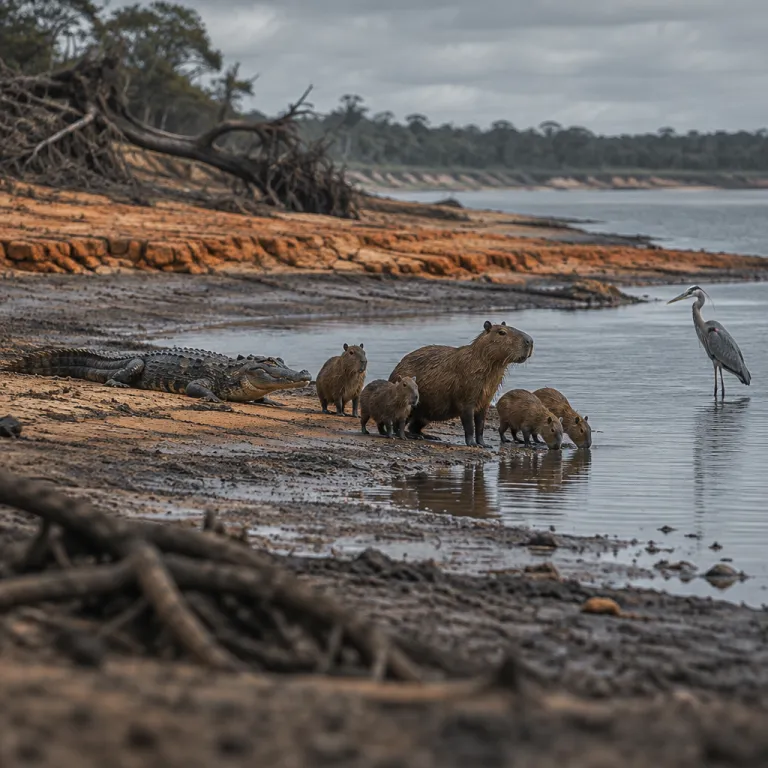
In October, sandbanks and beaches emerge along the Amazon river and its tributaries, becoming basking platforms for caiman and resting spots for wading birds that once perched in canopy branches above high water. These new shorelines also reveal terrestrial trails used by capybara and other mammals, so a short walk from a well located lodge can suddenly feel like a backstage pass to the rainforest. At a refined riverside property near Manaus, for example, guides use this dry season landscape to plan brief, focused outings that still deliver the sense of vastness families expect from an Amazon visit, often combining a 45 minute boat ride with a short sandbar walk.
Because the water season is cyclical, with a wet dry rhythm that repeats every year, experienced naturalists know exactly which channels will hold fish, where pink river dolphins tend to hunt and which oxbow lakes retain enough water to attract birds. Many guides in the central Brazilian Amazon, for example, note that from roughly August to early November water levels are low enough to reveal reliable sandbanks and caiman roosts, while the Negro often stays lower slightly longer than the Tapajós because of its different rainfall pattern. For families, that knowledge translates into more wildlife viewing in fewer hours, less waiting in the heat and a calmer balance between adventure and rest.
Designing family days around dawn, dusk and low water routes
To make the most of October’s dry season conditions, structure your family’s days around the two daily peaks of rainforest activity. Dawn and dusk are when the forest’s soundscape swells, when birds move between roosts and when mammals use the cooler air to feed along the river. In the low water months, these same hours coincide with the clearest views of exposed banks and the best time for spotting silhouettes against the pink river sky, so even a 60 to 90 minute outing can feel full and satisfying for younger travellers.
A typical October day in a high end lodge in the Peruvian Amazon or Brazilian Amazon might start with a short pre breakfast boat ride along a narrow river channel, where low water concentrates fish and draws in river dolphins and kingfishers. After a late morning rest and pool time, an afternoon walk follows newly exposed forest trails that are inaccessible during the wet season, giving children a tangible sense of how the rainforest changes across months. One guide near Iquitos describes how, in a single hour’s walk in late October, a family might follow tapir tracks in the mud, watch leafcutter ants crossing a dry creek bed and then step out onto a sandbar where herons and skimmers share the same shrinking lagoon.
Families choosing where to stay should look for lodges that explicitly mention dry season and wet season routing in their programs, because this signals a serious approach to rainforest weather and water levels. Properties featured in curated collections such as the refined Amazon getaways for rainforest stays in style tend to offer flexible excursion lengths, shaded boats and guides trained to read both children and river currents. Simple practical details also matter: ask about child sized life jackets, sun protection on boats and the option to shorten an outing if needed. When you align your booking dates with the best time of year for low water and choose a team that understands the wet dry cycle, you transform a potentially exhausting expedition into a series of well paced, high impact moments.
Choosing the right river, region and lodge for october
Not all parts of the Amazon experience the dry season in exactly the same way, so your choice of river and region matters for family wildlife viewing. The Peruvian Amazon around Iquitos and the Brazilian Amazon near Manaus both sit on major bends of the Amazon river, but local rainfall patterns, tributary inputs and water levels differ subtly. These differences shape how long low water lasts, how quickly the rainy season returns and how easily boats can reach key wildlife viewing areas, especially when you are travelling with children who do best with shorter transfers.
In Peru, families often focus on the corridors of the Marañón and Ucayali, where black water and white water meet and create rich feeding grounds for fish and river dolphins. In Brazil, itineraries along the Tapajós or Negro offer clearer water and striking beaches at low water, a combination that works beautifully for children who want to swim safely between excursions. Local boat operators on the Tapajós often report broad sandbars from September to November, while the Negro’s darker water can warm quickly for comfortable late afternoon swims. Our feature on why Brazil’s clearest Amazon river deserves its own itinerary explains how this balance of clarity, sandbanks and rainforest weather patterns can make the Tapajós a strong choice for an October family visit.
When comparing lodges, read carefully for how they describe the best time to visit across different months, whether they mention both high water and low water advantages and how they adapt to the wet season and dry season transition. A serious property will talk openly about what is harder in October, such as canoeing deep into flooded forest or targeting certain wet season fish, while still highlighting why this time of year remains the best for concentrated sightings. For families, that honesty is as valuable as any amenity list, because it signals a team that will adjust plans if the rainy season arrives early or if your children’s energy dips faster than the river. It also hints at thoughtful touches such as shaded play corners, early dinners and quiet corners for midday naps.
FAQ
Is october really the best time for families to visit the Amazon
For many families, October is often the best time to visit the Amazon because the dry season has pushed water levels to their annual low, which concentrates wildlife along rivers and lagoons. This concentration makes wildlife viewing more efficient, so children see more in shorter outings and spend less time waiting quietly in the heat. While every year varies slightly in rainforest weather, this period usually offers a strong balance between access, comfort and sightings, especially when combined with early starts, hats, refillable water bottles and plenty of snacks.
What is the difference between dry season and wet season experiences
During the wet season, high water floods the forest and allows boats to glide among tree trunks, which feels magical but spreads wildlife across a larger area. In the dry season, especially around October, low water exposes beaches, sandbanks and trails, so animals gather in narrower corridors that are easier to scan from a boat or riverbank. Families who prioritize reliable wildlife viewing often prefer this dry period, while those who dream of canoeing through flooded forest may lean toward the rainy season and accept that sightings can be more dispersed.
Will we still see river dolphins and other aquatic wildlife in october
Yes, river dolphins remain active in October, and the shrinking channels of the Amazon river and its tributaries can make their movements easier to follow. As fish concentrate in deeper pools during the dry season, dolphins, caiman and predatory birds often focus on the same areas, which benefits patient observers. Guides in both the Peruvian Amazon and Brazilian Amazon know these seasonal patterns well and plan routes accordingly, often returning to the same productive bends and lagoons across several days.
How should we plan our daily schedule with children
The most effective rhythm for families is to anchor activities around dawn and late afternoon, when rainforest wildlife is naturally more active and temperatures are softer. A short early boat ride, a long midday rest with optional pool time and a focused dusk outing usually work better than one long excursion. This pattern respects both the peak viewing hours of the dry season and the reality of children’s energy levels, and it leaves space for unhurried meals, homework breaks and quiet time in a hammock.
Are luxury lodges suitable for younger children in the Amazon rainforest
Many luxury and premium lodges in the Amazon rainforest now design programs specifically for families, with shorter excursions, flexible meal times and guides experienced with younger guests. When you read lodge descriptions, look for mentions of family suites, child friendly safety measures on boats and tailored dry season activities such as short beach walks or gentle night outings. Choosing a property that understands both the river’s water season cycle and children’s needs will make your visit safer, calmer and more rewarding, especially if you also pack lightweight long sleeves, insect protection and a favourite comfort item for quieter evenings.