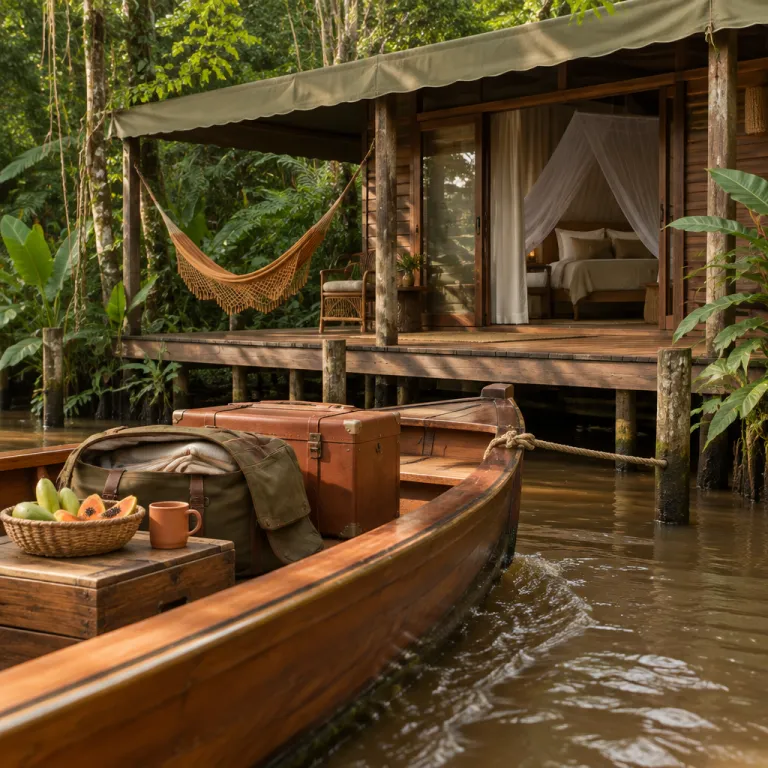
Choosing an amazon jungle hotel in Brazil for refined rainforest immersion
Staying in an amazon jungle hotel in Brazil means waking to mist over the forest and the soft call of distant macaws. In this vast Brazilian Amazon region, the right rainforest lodge shapes how closely you connect with the river, the jungle, and the surrounding communities. A carefully selected retreat also determines how comfortably you sleep, how safely you move, and how deeply you learn from expert naturalist guides.
Travelers usually start by deciding between an amazon lodge near Manaus and more remote jungle accommodations deeper along the Amazon River or the Rio Negro. Properties close to the city, such as those in the Anavilhanas region or near the protected Anavilhanas National Park, offer shorter transfer hours and easier logistics for a first rainforest trip. Remote options, including Cristalino Lodge in the southern Brazilian Amazon, reward the extra travel day with quieter trails, richer wildlife sightings, and a stronger sense of isolation.
Room configuration matters more than many guests expect when booking an amazon jungle hotel in Brazil. Look for clear details about king size beds or twin size beds, the presence of efficient air conditioning, and whether screened windows allow fresh air from the forest without insects. In high humidity beside the river, these comfort elements transform a simple amazon lodge stay into a restorative base for long days of exploration.
Another key decision is whether you prefer a jungle lodge focused on wildlife, culture, or soft adventure. Some amazon jungle hotels in Brazil emphasize birdwatching and detailed interpretation of plants and animals, while others highlight canoeing, swimming pools, and relaxed river views. The best properties in this part of South America balance all three, offering a full day rhythm that alternates active excursions with quiet hours on shaded decks above the forest canopy.
Where to stay along the Rio Negro and in Anavilhanas National Park
The black waters of the Rio Negro create one of the most atmospheric settings for an amazon jungle hotel in Brazil. Here the river widens into an island maze, and the Anavilhanas archipelago forms the core of the protected Anavilhanas National Park. Choosing a lodge in this region means easy access to calm channels, flooded forest, and some of the most photogenic tree silhouettes in the entire Amazon rainforest.
For travelers who want refined comfort close to Manaus, an elegant jungle lodge near the city can be an ideal first step into the Brazilian Amazon. These properties often combine air conditioning, generous king size beds, and landscaped swimming pools with guided boat trips into the surrounding forest. Typical transfers from Manaus take between one and three hours by road and boat, so you still cruise the Rio Negro or its tributaries by day, then return within a few hours to a quiet room and reliable hot water at night.
Travelers with more time can plan a longer trip to the heart of the Anavilhanas region. A carefully organized Anavilhanas itinerary usually includes sunrise canoe outings, a full day of interpretive activities with naturalist guides, and night excursions to observe nocturnal wildlife. In this part of South America, the contrast between the dark river and the bright sky creates exceptional conditions for photography and for simply sitting on the lodge deck to enjoy the air and the silence.
When comparing jungle lodges along the Rio Negro, pay attention to how each property manages access to the national park. Some amazon lodge operators hold specific permits for Anavilhanas National Park, allowing guests to explore more secluded channels and islands. Others focus on areas just outside the official park boundaries, where the forest and river remain pristine but regulations differ, which can influence the style and timing of your day excursions.
Cristalino Lodge and southern Amazon rainforest stays
While many travelers focus on the central Amazon rainforest near Manaus, the southern Brazilian Amazon offers a different style of amazon jungle hotel in Brazil. Cristalino Lodge, located near Alta Floresta in Mato Grosso, sits beside the Cristalino River and a private reserve of primary forest. This region lies outside the Rio Negro basin, yet it delivers some of the most rewarding guided learning experiences in South America.
Guests at Cristalino Lodge typically spend each day moving between canopy towers, forest trails, and quiet boat rides along the river. The lodge design emphasizes immersion in the surrounding flora and fauna, with open air social areas that still provide shelter from the intense equatorial sun. Rooms usually feature strong air conditioning, comfortable king size beds or flexible bed configurations, and thoughtful details that make multi day stays feel effortless.
Food is another highlight in this part of the Brazilian Amazon, where chefs increasingly showcase regional ingredients such as cacao grown under the canopy. Articles on Amazonian cacao and rainforest chocolate help guests learn how local producers work with the forest rather than against it. Many jungle lodges now integrate these stories into tasting menus, turning each dinner into a chance to enjoy the flavors of the forest while understanding their environmental impact.
Compared with a Rio Negro jungle lodge, Cristalino Lodge offers different wildlife highlights. Birdwatchers come for macaws, toucans, and mixed species flocks that move through the tree canopy in waves, while mammal enthusiasts hope for giant otters along the river and monkeys in the forest. The combination of a protected private reserve, expert guiding, and carefully planned full day excursions makes this amazon lodge a strong choice for travelers who prioritize biodiversity and photography.
Balancing comfort and sustainability in an amazon jungle hotel in Brazil
Choosing an amazon jungle hotel in Brazil always involves balancing comfort with environmental responsibility. In the humid heat of the Amazon rainforest, air conditioning and generous king size beds can feel essential after a long day on the river. Yet every energy intensive amenity in a jungle lodge also carries an impact on the surrounding forest and river systems.
Responsible properties in the Brazilian Amazon now invest in efficient cooling systems, natural ventilation, and building designs that work with the forest rather than against it. Elevated walkways protect the soil and tree roots, while carefully placed windows allow air to circulate without overusing air conditioning. Many jungle lodges also limit the number of rooms, accepting fewer guests per day to reduce pressure on nearby trails and wildlife habitats.
Water management is another critical factor when evaluating an amazon lodge or jungle lodge. The best operations treat wastewater before it returns to the river, use biodegradable cleaning products, and encourage guests to take shorter showers without compromising comfort. When a property sits near a national park or a sensitive river confluence, these behind the scenes systems matter as much as visible features like swimming pools or polished decks.
Travelers can support sustainability by asking direct questions before booking and by choosing operators that work closely with local residents. Look for clear information about partnerships with nearby communities, transparent employment practices, and long term commitments to forest protection in the region. In both the Rio Negro area and the Cristalino landscape, lodges that integrate community voices into guiding, storytelling, and management tend to offer richer, more authentic stays.
Rainforest adventures and daily rhythms on the river
A well planned stay in an amazon jungle hotel in Brazil follows the natural rhythm of the forest and river. Early morning hours bring cooler air, more active animals, and soft light over the tree canopy. Guides often schedule canoe outings or forest walks at this time of day, returning to the lodge for a late breakfast once the sun climbs higher.
Midday in the Amazon rainforest usually means slower activities, especially during the hotter months. Guests might enjoy a quiet swim near the lodge, relax beside shaded swimming pools, or simply watch the river from a hammock while the forest hums around them. This pause allows both travelers and guides to recharge before the next full day style excursion begins in the afternoon.
Later in the day, boat trips along the Amazon River, the Rio Negro, or smaller tributaries reveal changing colors and behaviors. Pink river dolphins sometimes surface near the bow, while birds gather in the tree line to roost for the night. After dinner, many jungle lodges offer night walks or spotlight boat rides, giving guests a chance to learn how the forest transforms after dark and to enjoy the cooler air under a bright southern sky.
Throughout a multi day stay, the best amazon lodge teams adjust the program to match weather, water levels, and guest interests. Some travelers focus on photography and spend extra hours at specific river bends, while others prioritize cultural visits or extended sessions about medicinal plants. By communicating your priorities clearly on arrival, you help the guides design a sequence of adventures that makes every day feel distinct yet still aligned with the natural pace of this part of South America.
Culture, community, and meaningful encounters in the Brazilian Amazon
Beyond wildlife and scenery, an amazon jungle hotel in Brazil can open doors to meaningful cultural encounters. Many lodges along the Amazon River and Rio Negro collaborate with nearby Indigenous and riverine communities, inviting guests to learn about traditional fishing, forest use, and seasonal celebrations. When handled respectfully, these visits help travelers understand how people and forest have shaped each other over generations.
Before booking, ask how a jungle lodge structures its community interactions and how often groups visit the same village. Properties that limit group size, rotate itineraries, and support community decision making processes usually create more balanced relationships. Case studies from other rainforest regions illustrate how different hosting models affect both guests and residents, and similar questions apply when choosing a Brazilian Amazon lodge.
In the Anavilhanas region and along the Rio Negro, some amazon lodge operators invite local experts to lead interpretive walks focused on medicinal plants, traditional navigation, and seasonal river cycles. These sessions often take place under a large shade tree near the river, where guests can enjoy the breeze while listening to stories that connect flora, fauna, and family histories. Over the course of several days, such encounters turn a standard wildlife focused itinerary into a deeper exploration of how culture and landscape intertwine.
Farther south, near Cristalino Lodge and other properties close to conservation areas, community partnerships may center on forest protection projects and education programs. Guests sometimes visit schools, tree nurseries, or small cooperatives that produce forest friendly goods, learning how tourism revenue supports long term protection of the surrounding park and river corridors. By choosing lodges that prioritize these relationships, travelers help ensure that the benefits of each stay extend well beyond the comfort of air conditioning and king size beds.
Practical booking tips for luxury and premium rainforest stays
Securing the right amazon jungle hotel in Brazil begins with timing and clarity about your priorities. Wildlife viewing, river levels, and accessibility all shift across the year, so your ideal month for an Anavilhanas adventure may differ from the best period for a Cristalino Lodge stay. Decide first whether you prefer higher water, when flooded forest channels are easy to explore by canoe, or lower water, when more trails open through the forest.
When comparing jungle lodges, read carefully about transfer logistics, including how many hours you will spend in boats, vans, or small aircraft. Some amazon lodge options near Manaus require only a short river crossing, while others in the wider region involve a full day of travel with several connections. If you are sensitive to heat or motion, factor in how quickly you will reach air conditioning, a shower, and a stable bed after your international flight.
Room categories deserve close attention, especially for couples or families seeking premium comfort. Confirm whether your chosen jungle lodge offers king size beds, flexible bedding for children, or interconnected rooms, and ask how many rooms share each building to gauge noise levels. In properties with swimming pools or large open air lounges, consider whether you prefer to stay closer to the social areas or in a quieter corner of the forest.
Finally, review what is included in the nightly rate, from guided excursions and national park fees to meals and non alcoholic drinks. Many high end Amazon rainforest properties operate on an almost all inclusive basis, with only premium beverages or optional spa treatments billed separately. As a broad reference, luxury jungle lodges in Brazil often start around mid three figure nightly rates per person and rise from there, so clear expectations about these details allow you to relax once you arrive, focusing fully on the river, the forest, and the rare chance to enjoy several uninterrupted days immersed in one of South America’s most extraordinary landscapes.
Key figures about luxury and premium stays in the Brazilian Amazon
- According to data published by the Brazilian Ministry of Tourism, the wider Amazon region receives well over one million visitors per year, yet only a small fraction stay in remote jungle lodges, which helps keep pressure lower on sensitive river and forest ecosystems. Travelers can consult recent tourism yearbooks for updated figures.
- Analyses by the Instituto Chico Mendes de Conservação da Biodiversidade (ICMBio) indicate that protected areas such as Anavilhanas National Park and other federal conservation units in the region significantly reduce deforestation rates compared with unprotected surrounding zones, as shown in official monitoring reports.
- Reports from the World Travel & Tourism Council show that nature based tourism in South America has grown steadily over the past decade, with Brazil’s share driven largely by interest in the Amazon rainforest and river based experiences documented in regional trend studies.
- Surveys of high end travelers by luxury travel agencies consistently report that more than half of guests choosing an amazon lodge prioritize strong community partnerships and conservation credentials alongside comfort features such as air conditioning and king size beds, a pattern echoed in recent industry white papers.
- Wildlife monitoring projects around Cristalino Lodge and similar forest reserves have recorded hundreds of bird species within relatively compact protected areas, underscoring the exceptional biodiversity accessible from a single well located amazon jungle hotel in Brazil and highlighting the value of long term research partnerships.
FAQ about amazon jungle hotel stays in Brazil
How many days should I plan for an amazon jungle hotel stay in Brazil ?
Most travelers benefit from at least three to four nights in an amazon jungle hotel in Brazil. This duration allows time to adjust to the climate, enjoy both river and forest excursions, and still have quiet hours to relax at the lodge. Longer stays of five to seven nights are ideal for serious wildlife enthusiasts or photographers.
Is air conditioning essential in a Brazilian Amazon lodge ?
Air conditioning is not strictly essential, but it significantly improves comfort for many guests, especially during hotter months. Well designed jungle lodges sometimes rely on natural ventilation and fans, which can work well in shaded forest settings. Travelers sensitive to heat or humidity usually prefer rooms with reliable air conditioning and high quality bedding.
What is the difference between staying on the Rio Negro and in the southern Amazon ?
The Rio Negro and Anavilhanas region near Manaus offers iconic black water scenery, easier access, and strong combinations of culture and wildlife. The southern Brazilian Amazon around Cristalino Lodge provides exceptional birdwatching, tall forest, and a more remote feel. Both areas deliver rich encounters with flora and fauna, but they differ in travel time, landscape, and specific species highlights.
Are amazon jungle lodges suitable for families with children ?
Many amazon lodges welcome families and can adapt excursions to different ages and energy levels. Parents should check minimum age policies, availability of flexible bedding or interconnected rooms, and safety measures around the river and swimming pools. Choosing a property with shorter transfer hours and varied half day activities often works best for younger travelers.
How can I ensure my stay supports local communities and conservation ?
Before booking, ask each amazon jungle hotel in Brazil about its partnerships with nearby communities, employment practices, and contributions to conservation projects. Look for lodges that hire and train local staff, collaborate on forest protection, and operate within or beside national park areas under clear regulations. Transparent information on these points is a strong indicator of genuine long term commitment to the region.