From river landing to lodge gallery: where luxury meets indigenous craft
The most interesting Amazon indigenous craft artisan lodge does not start with a spa menu, it starts with a woven basket by the reception desk. In the heart of the Amazon rainforest, high-end properties are quietly turning their small galleries into serious platforms for artisans, linking refined guests with the economic lifelines of remote communities. For a solo traveler, this is where a stay shifts from simple comfort to a layered cultural experience rooted in real work and real people.
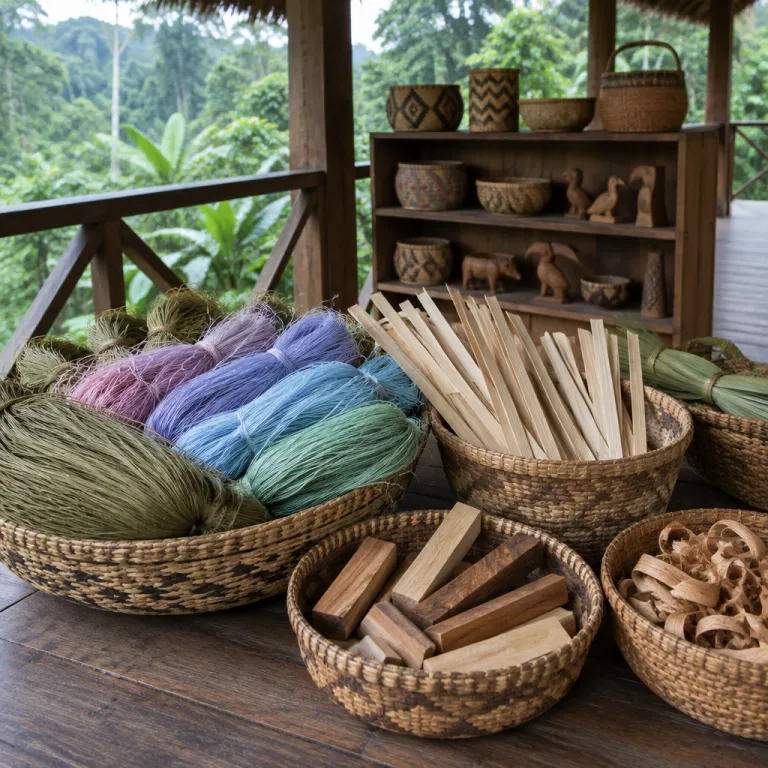
Across the Peruvian Amazon and the wider basin, you will see three main traditions again and again in these spaces. Chambira palm fiber weaving from Amazonian communities produces baskets, bags, and hammocks whose tight spirals echo the river’s own curves, while seed and balsa wood handicrafts bring the surrounding flora and fauna into your hands as necklaces, masks, and light carvings. Shipibo-Conibo textiles, with their dense geometric patterns, carry Indigenous knowledge as visual music, mapping rivers, songs, and healing practices into cloth that many guests first encounter in a quiet lodge lounge rather than a market.
Responsible lodges treat these objects not as décor but as a direct bridge to Indigenous communities and local artisans who live far beyond the boardwalk. The best Amazon-focused craft lodges work with named community members, often from a nearby Native community, and invite them to explain how each piece connects to cultural heritage and environmental conservation. At one cooperative near the Ucayali River, a Shipibo weaver named Rosa explained to visitors, “We cut chambira leaves so the palm survives and keeps giving. If the forest is healthy, our designs and our children’s future stay alive.” When you hear a weaver describe how chambira leaves are harvested selectively, you understand how sustainable economic choices and cultural preservation are woven into every strand.
Inside a fair lodge boutique: how the craft economy is structured
A genuinely ethical Amazon indigenous craft artisan lodge boutique operates more like a curated gallery than a souvenir shelf. Behind each basket or textile there is usually a direct relationship with local communities, supported by a network support system that includes training, logistics, and transparent pricing. Fair trade organisations such as the Center for Amazon Community Ecology (CACE) have shown how long-term partnerships with more than two hundred artisans in the Peruvian Amazon can foster economic resilience while protecting the rainforest; CACE reports that some partner families now earn 30–50% of their cash income from craft sales.
In practice, that means the lodge’s guides and managers know exactly which Indigenous people made which pieces, and how much they were paid. Labels often name the community, sometimes the individual artisan, and explain how the work fits into broader cultural exchange and environmental conservation goals. When a property near a protected area such as Yasuní positions itself as an Amazon indigenous craft artisan lodge, its credibility rests on this clarity just as much as on its canopy suites or refined dining; you can see this ethos in the way some leading eco properties in Ecuador present their craft-focused lodge experiences in the heart of Yasuní.
Fair pricing is the other non-negotiable element, and it is where honest lodges quietly differentiate themselves from mark-up-heavy middlemen. Instead of buying in bulk from traders who squeeze Indigenous communities, they pay artisans directly, often agreeing on prices collectively with community members so that sustainable economic benefits are shared. In some cooperatives along the Napo and Marañón rivers, for example, women’s groups set minimum prices per basket or hammock and review them annually to keep pace with transport costs and inflation. Regional initiatives such as the Amazon Forest Store’s partnerships in the Peruvian Amazon show how combining traditional craft with e-commerce and storytelling can support local artisans while preserving cultural heritage.
Craft as conservation: why your basket is a forest protection tool
For many Amazonian communities, weaving and carving are not hobbies, they are strategic alternatives to logging, mining, or wildlife trafficking. When a lodge positions itself as an Amazon indigenous craft artisan lodge and commits to buying regularly from Indigenous communities, it helps create income that depends on a living forest rather than extraction. That shift is central to environmental conservation, because it ties household budgets directly to the health of the surrounding jungle and its flora and fauna.
Fair trade advocates often explain the logic in simple terms: if a family can earn from handicrafts, they have less incentive to sell timber or clear land. One verified description captures this clearly: “How does fair trade support craft communities? It ensures artisans receive fair pay and supports sustainable practices.” In the Peruvian Amazon and beyond, this means that every time guests choose a handwoven chambira basket over a plastic trinket, they support local livelihoods that keep trees standing and rivers cleaner. In some riverine villages working with conservation NGOs, community leaders report that regular craft orders have helped reduce illegal logging by shifting income toward non-extractive activities.
Some of the most thoughtful properties around hubs such as Manaus or Leticia now integrate this logic into their guest experience from the first day. A guided walk through a nearby Native community might end not with staged performances, but with a quiet visit to a weaving circle where community members explain how their work funds school supplies or boat fuel. When you later browse the lodge gallery, you are no longer just a shopper; you are part of a subtle network support system that can foster economic stability and cultural preservation across multiple Amazonian communities, as highlighted in regional overviews of the Colombian gateway where three countries share one Amazon.
How to buy well: questions, red flags, and meaningful visits
For a solo explorer, the most powerful tool inside any Amazon indigenous craft artisan lodge is not a credit card, it is a set of questions. Before you buy, ask who made the piece, which community it comes from, and how often the lodge purchases from those local artisans. A confident answer that names Indigenous people, explains how prices are set, and describes how the work supports local communities is a strong sign that your purchase will create unforgettable memories for both sides.
Red flags are usually easy to spot once you know where to look. Identical handicrafts in large quantities, vague references to “the tribe” without naming a specific community, or prices that seem suspiciously low compared with the hours of work involved all suggest mass-produced imports rather than authentic Amazonian pieces. In contrast, a serious Amazon indigenous craft artisan lodge will often invite guests on day visits to a Native community or artisan cooperative, where you can watch the full process from harvesting chambira or seeds to finishing a basket, and where guides translate nuanced cultural knowledge rather than rehearsed sales pitches.
These visits are not side trips; they are core cultural exchange experiences that anchor your stay in the heart of the Amazon. Walking into a riverside maloca to see community members dyeing fibers with natural pigments, you understand how cultural heritage, sustainable economic choices, and environmental conservation intersect. When you later read about regional gateways such as refined rainforest hubs that connect luxury lodges and remote communities, you will recognise the same pattern: the most meaningful properties use their influence to support local networks rather than extract value.
Bringing the forest home: care, customs, and long term impact
Once you have chosen a piece from an Amazon indigenous craft artisan lodge, the next step is getting it home legally and intact. Ask the staff or guides about any export restrictions on seeds, feathers, or specific woods, because some materials that are common in the jungle may be controlled under international regulations. A responsible property will have clear guidance ready, often developed in consultation with Indigenous communities and conservation partners, so that your support-local intentions do not clash with environmental rules.
Natural materials require thoughtful care if they are to last and continue telling their story. Chambira baskets and bags prefer indirect light and low humidity, while balsa carvings benefit from gentle dusting and occasional natural oil to prevent cracking, and seed jewelry should be kept dry and away from direct sun. When you follow these simple routines, you extend the life of the work and honour the cultural heritage embedded in each knot, pattern, and carved line, turning a short stay in the Peruvian Amazon or Brazilian jungle into decades of quiet cultural preservation at home.
The deeper impact, though, lies in how these objects reshape your sense of luxury travel. Every time you explain to a friend how your basket came from a specific Native community, how community members set the price, and how the income contributes to sustainable economic alternatives, you amplify the network support that began in a riverside maloca. Over time, as more guests choose lodges that foreground artisans, Indigenous communities, and environmental conservation, the market will reward properties that truly operate as Amazon indigenous craft artisan lodge models, where cultural exchange is not a slogan but the daily work of guides, weavers, and carvers.
FAQ
What makes a lodge an authentic amazon indigenous craft artisan lodge ?
An authentic Amazon indigenous craft artisan lodge builds long-term, transparent relationships with Indigenous communities and local artisans, rather than buying from anonymous middlemen. You should see clear information about which community made each piece, how often the lodge purchases, and how the income supports local communities and environmental conservation. When guides and staff can explain the cultural meaning of designs and materials, you are likely in a place that treats craft as part of its core mission, not as decoration.
How can I be sure the handicrafts are really made by local artisans ?
Start by asking who made the item, where they live, and how the lodge pays them. Serious properties will name specific Amazonian communities or a Native community, describe how community members set prices, and sometimes share photos or stories of the artisans at work. If the answers are vague, the stock looks identical and mass-produced, or prices seem unrealistically low, you may be looking at imports rather than genuine work from Indigenous people.
Are craft purchases from lodge boutiques good for environmental conservation ?
When a lodge sources directly from Indigenous communities and pays fair prices, craft income can reduce pressure to log, mine, or overhunt, making it a practical conservation tool. Your purchase supports sustainable economic alternatives that depend on healthy jungle ecosystems and intact flora and fauna, rather than on extraction. The key is to choose lodges that are transparent about their supply chains and that integrate artisans into broader cultural preservation and conservation initiatives.
Can I visit artisan workshops during my stay in the amazon ?
Many lodges now offer guided day visits to nearby artisan cooperatives or family workshops as part of their cultural experience programmes. These trips often include demonstrations of chambira weaving, seed jewelry making, or textile painting, with time to ask questions and buy directly from community members. If this is important to you, ask your lodge in advance whether they organise such visits and how they ensure that Indigenous communities lead the narrative and benefit financially.
What should I check before taking natural material crafts through customs ?
Before you leave, ask lodge staff or guides whether any materials in your pieces are restricted, such as certain seeds, feathers, or protected woods. Responsible lodges stay informed about regulations and can advise you on documentation or alternative choices if needed. Keeping receipts and any explanatory notes about the materials and origin can also help if customs officials have questions during your journey home.