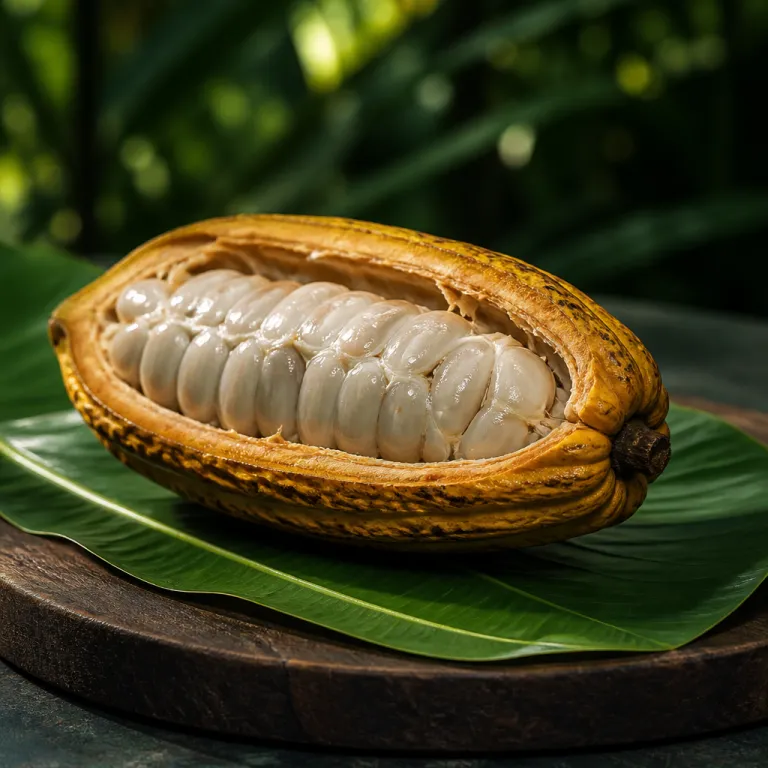
Why the amazon rainforest cacao chocolate lodge experience matters for luxury travelers
The genetic cradle of wild Theobroma cacao lies in the upper Amazon basin, across parts of modern Ecuador, Peru, Colombia and Brazil, and every serious chocolate lover should understand what that means for flavor. When you plan an Amazon rainforest cacao chocolate lodge experience, you are not just booking a jungle retreat in Ecuador or Brazil, you are stepping into the wider forest landscape that shaped the beans behind every bar you have ever tasted. This is where cacao, forest and river culture intersect in a way that can permanently change how you think about chocolate.
In the upper Ecuadorian Amazon around Tena and the Napo region, shade-grown cacao thrives under a living canopy of hardwoods, vines and orchids. Local families tend small plots woven into the surrounding rainforest, turning each day into a careful balance between cacao tree care, jungle biodiversity and household life. Their agroforestry systems feel more like curated forest gardens than plantations, and a well-run eco lodge can give you rare, respectful access to that world.
For couples used to urban tasting menus, this Amazon adventure reframes gastronomy as something rooted in soil, humidity and river light. A thoughtful guide might walk you from canoe ride to cacao grove, then back to the lodge terrace where the chef pairs single-origin chocolate with local fruits and a crisp white wine. As one guide near Tena put it while cracking open a pod, “Here, the forest is the kitchen.” The result is an experience that feels both intensely private and deeply connected to the wider Amazon river basin.
From quito to coca to cacao: planning the journey into the forest
Most luxury travelers aiming for an Amazon rainforest cacao chocolate lodge experience in Ecuador start in Quito, then connect onward to Coca or Tena. The transition from Andean altitude to lowland humidity happens in a single day, yet the shift in light, sound and scent will feel like a complete subject change for your senses. Planning this leg well determines whether you arrive at your jungle lodge ready for adventure or exhausted before the first canoe ride.
From Quito to Coca, small planes trace the spine of the Andes before dropping into the green bowl of the Ecuadorian Amazon, where the rainforest stretches unbroken toward the horizon. The flight itself usually takes around 35 to 45 minutes, and many high-end eco lodge operators include seamless transfers from Coca airport to the Amazon river or Napo tributaries, combining road segments with motorized canoe rides that double as your first informal tour. Ask in advance whether your package includes a private guide from the moment you land, because that single detail will shape how much you learn on those first crucial days.
Thoughtful couples also look at travel insurance tailored to remote rainforest regions, not just generic policies. A good plan will cover missed connections between Quito and Coca, medical evacuation from a national park area and even delays that might affect prepaid eco lodge nights. If you are considering extending your trip into the Peruvian lowlands, resources such as a curated overview of Peruvian Amazon trips for luxury travellers can help you compare how different countries frame cacao, chocolate and conservation.
Inside the cacao experience: from cacao tree to bean bar at the lodge
Once you settle into your chosen lodge, the heart of any Amazon rainforest cacao chocolate lodge experience is the hands-on cacao immersion itself. At properties such as Itamandi EcoLodge near Tena or Sacha Lodge deeper in the forest, mornings often begin with a short canoe ride or forest walk to nearby cacao plots. There, under the filtered light of the rainforest canopy, you stand beside a mature cacao tree and feel how the pods almost glow against the mossy trunks.
Many eco lodge programs are built around educational chocolate-making sessions that respect local knowledge rather than turning it into a theme park show. You might start the day by harvesting ripe pods with local farmers, then move to a shaded platform where traditional fermentation and sun drying are explained step by step. Later, you join roasting and grinding demonstrations using a mortar and pestle over an open fire, transforming beans into a thick paste that will eventually become a rustic bean bar or hot chocolate served back at the lodge.
One of the more refined versions of this format appears at Sacha Lodge, where the team integrates cacao into a broader Amazon adventure that includes canopy towers, a blackwater lake and night walks. Here, the chocolate-making workshop is paired with carefully plated meals, breakfast featuring cacao nib granola and lunch and dinner menus that weave in cacao sauces with river fish or plantain. For travelers curious about other elevated rainforest stays, a detailed review of refined rainforest lodges near Manaus shows how a jungle property can balance comfort, eco principles and serious gastronomy.
Flavor, terroir and the quiet luxury of chocolate under the canopy
What sets Amazon rainforest cacao apart is not just its origin story, but the way the forest imprints itself on flavor. Shade-grown cacao cultivated under rainforest canopy tends to ripen more slowly, and that extended duration allows complex acids and aromatics to develop in the beans. When a skilled guide walks you through a tasting flight at the lodge, you begin to notice how notes of citrus, nuts or tropical flowers echo the forest and lake landscapes you explored earlier in the day.
Couples often arrive expecting generic dark chocolate, then leave speaking in the language of wine, terroir and micro lots. A well-curated Amazon cacao lodge experience will include side-by-side tastings of beans from different Ecuadorian Amazon valleys, sometimes even from neighboring farms that use distinct fermentation or roasting and grinding techniques. You might compare a bar made from pods harvested near a clay lick, where parrots and macaws gather, with one grown closer to a blackwater lake, and the differences can be surprisingly vivid.
Chefs at high-end eco lodges increasingly design tasting menus where cacao appears in both sweet and savory courses, never as a gimmick. Think chilled cacao pulp granité at breakfast, followed by river fish in a light chocolate and chili broth at lunch or dinner, then a final dessert built around a single-origin bean bar. This is quiet luxury in the Amazon rainforest, where the most memorable amenity is not a plunge pool but the way a piece of chocolate connects your palate to the surrounding forest.
Cacao, conservation and the economics of keeping the forest standing
Behind every polished Amazon rainforest cacao chocolate lodge experience lies a harder question: how does this chocolate help keep the forest intact? In regions of the Ecuadorian Amazon where cattle or monoculture crops threaten the rainforest, shade-grown cacao offers a rare alignment between income and conservation. Because cacao trees need the forest canopy, farmers have a direct financial reason to protect tall trees rather than clear them.
In the Napo region alone, local agricultural reports describe on the order of 150 small and medium cacao farms, together producing roughly 5,000 tons of beans each year; these figures are indicative and can vary by harvest and source, so travelers should treat them as approximate rather than definitive statistics and, where possible, consult the latest provincial data. A growing share of that volume comes from agroforestry systems. Lodges that partner with these farmers, purchase beans at premium prices and feature their names on bean bar labels create a transparent chain from forest to guest. When you join a private tour of a cacao plot with your guide, you are not just learning about pods and fermentation, you are stepping into a living economic model that competes with logging and mining.
Educational programs at properties such as Itamandi EcoLodge often spell out the stakes clearly: “What is shade-grown cacao? Cacao cultivated under rainforest canopy.” and “Why is shade-grown cacao important? Preserves biodiversity and reduces deforestation.” and “Can guests participate in chocolate making? Yes, many lodges offer hands-on experiences.” For couples who care about where their travel dollars go, choosing an eco lodge that invests in cacao training, pays farmers fairly and supports conservation groups turns a romantic escape into a meaningful Amazon adventure.
Designing a cacao focused itinerary: days, activities and what couples should book
To get the most from an Amazon rainforest cacao chocolate lodge experience, plan at least three to four days at a single property. That window gives you time for a full cacao experience, a dawn birding tour to a clay lick, an afternoon canoe ride on a blackwater lake and a night walk through the forest. Shorter stays often compress activities into a single day, leaving little space for the slow conversations with farmers and chefs that make this kind of travel memorable.
A typical cacao-centered day at an eco lodge might start with early coffee on the deck, watching mist lift from the Amazon river or a nearby lake. After breakfast, your guide leads a forest walk to cacao plots, where you harvest pods, taste fresh pulp and learn how local farmers integrate cacao trees with timber species and fruit crops. The afternoon could bring a chocolate-making session back at the lodge, followed by a sunset canoe ride and a dinner menu that highlights cacao in at least one course.
Couples who want more privacy should ask about private guides, small group caps and flexible scheduling when they book. Some jungle lodges, including Sacha Lodge and other high-end eco properties, will tailor a multi-day itinerary that balances cacao, wildlife and cultural visits, perhaps including a side trip to a national park or a community along a tributary of the Amazon river. For a deeper sense of how river culture shapes the region beyond the lodge bubble, a feature on river culture beyond lodge itineraries shows how festivals and everyday life along the waterways enrich any Amazon adventure.
Key figures behind cacao, lodges and rainforest dining
- In Ecuador’s Napo region, local agricultural reports suggest that around 150 cacao farms operate under mixed agroforestry systems, illustrating how widely shade-grown cacao has been adopted near major eco lodges; travelers should note that exact counts can vary by year and reporting agency.
- These farms collectively produce on the order of 5,000 tons of cacao annually, based on national and provincial statistics, providing a significant supply of beans for both export markets and bean-to-bar chocolate served at rainforest lodges.
- Morning cacao workshops at properties such as Itamandi EcoLodge typically run for around one to two hours, long enough for guests to move from harvesting pods to basic roasting and grinding demonstrations without feeling rushed.
- Hands-on chocolate-making sessions often involve small groups of six to ten lodge guests, which keeps the experience intimate and allows direct interaction with local farmers and guides.
- Growing demand for organic chocolate and eco tourism in the Amazon basin has encouraged more lodges to integrate cacao into their gastronomy programs, creating new income streams that depend on intact forest canopy.
FAQ about amazon rainforest cacao and lodge based chocolate experiences
What is the difference between amazon cacao and standard chocolate cacao
Amazon cacao comes from the genetic heartland of Theobroma cacao, where wild and semi-wild varieties still grow under natural rainforest canopy. These genetics, combined with shade-grown cultivation and traditional fermentation, often produce more complex flavor profiles than commodity cacao grown in full-sun monocultures. When you taste chocolate at a rainforest lodge, you are sampling beans that carry both unique genetics and a strong imprint of local forest conditions.
Can lodge guests really participate in every step of chocolate making
At many eco lodges in the Ecuadorian Amazon and other parts of the basin, guests can join the process from cacao tree to finished bar. Typical programs include harvesting pods, opening them to taste fresh pulp, observing fermentation boxes and helping with roasting and grinding using simple tools such as a mortar and pestle. Final steps like tempering and molding are often demonstrated by staff, then you taste the results during meals or dedicated chocolate sessions.
How does choosing a cacao focused lodge support rainforest conservation
When a lodge builds its gastronomy program around shade-grown cacao, it creates steady demand for beans that depend on intact forest canopy. Farmers who earn reliable income from cacao have a financial reason to keep tall trees standing instead of clearing land for cattle or short-term crops. By booking these properties and buying their bean bar products, guests help strengthen an economic model that aligns luxury travel with long-term forest protection.
Do I need special travel insurance for an amazon rainforest cacao trip
Travel insurance for an Amazon rainforest cacao chocolate lodge experience should cover more than lost luggage or basic flight delays. Look for policies that include medical evacuation from remote jungle areas, coverage for missed connections between Quito and Coca or other gateway towns, and protection for prepaid eco lodge stays. This level of coverage helps ensure that a sudden illness, river level disruption or small plane delay does not turn a carefully planned cacao adventure into a financial loss.
How many days should couples plan for a meaningful cacao experience
Most couples should plan at least three to four days at a single jungle lodge if cacao is a priority. That duration allows time for a full cacao experience, wildlife excursions such as clay lick visits, canoe rides on lakes or quiet Amazon river channels, and unhurried meals that showcase cacao in multiple courses. Shorter stays can still be enjoyable, but they rarely provide the depth of connection to farmers, guides and forest that makes these journeys truly memorable.