Why amazon rainforest July low water travel suits premium families
Mid July in the Amazon rainforest signals a subtle but decisive shift. Across much of the Amazon Basin, the transition from the wet season toward the dry season lowers the water level just enough to change how families move, play and rest. For parents planning amazon rainforest July low water travel, this shoulder period is often the best time to balance comfort, wildlife viewing and child friendly pacing.
Water levels on the Amazon River and its tributaries start to recede after the high water months of May and June. At Manaus, for example, the Rio Negro gauge published by Brazil’s National Water Agency (ANA) typically falls several meters between June and August, while the forest remains intensely green. The result is a hybrid water season where you can still navigate key river channels, yet walk exposed trails that were flooded only weeks earlier.
Luxury lodge operators near Manaus, in the Peruvian Amazon around Puerto Maldonado and in the Iquitos Peru region quietly favor this season for families. Well known properties such as Cristalino Lodge in Brazil or Inkaterra Reserva Amazónica near Tambopata use the lower water to design walking expeditions that are shorter, safer and more varied for children. For premium travelers comparing the best time to visit Amazon, July’s lower river levels often offer the most flexible mix of boat excursions, forest floor walks and downtime in well equipped rooms.
How low water reshapes daily lodge life and river adventures
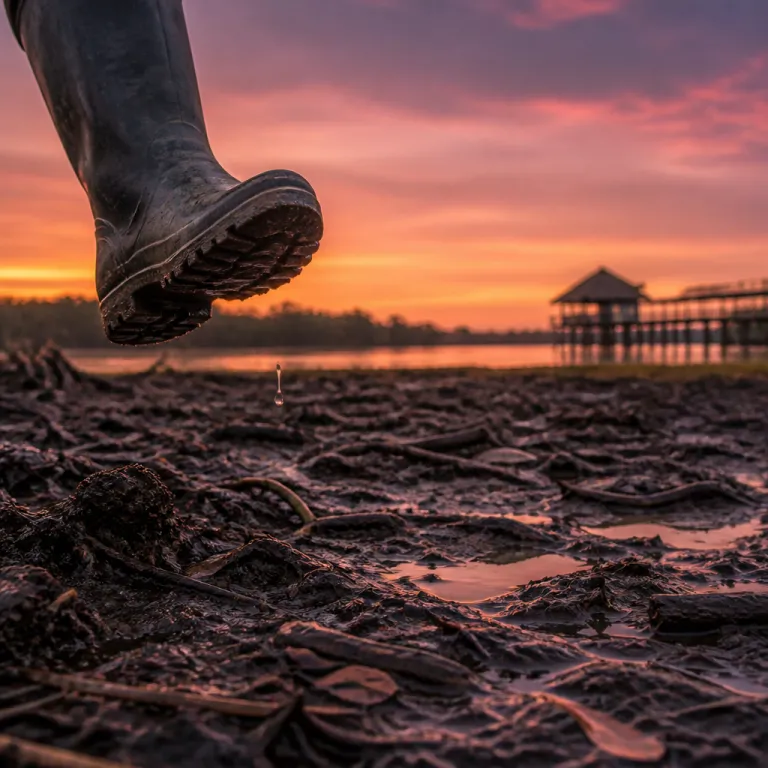
When the Amazon River drops in July, the forest floor reappears like a new continent. Canoe only routes from the wet season become firm jungle paths, and families suddenly have access to a wider radius around each lodge without long boat rides. For many children, this is the first time the rainforest feels walkable rather than distant and abstract across the water.
In Brazil, lodges along the main Amazon River near Manaus and on clearer tributaries such as the Tapajós adapt their programs around this water level change. Guests who read a detailed travel guide to the region will notice that July itineraries emphasize morning and late afternoon hikes, with shorter navigation stretches between sites. Our own feature on three days on the Tapajós and why Brazil’s clearest Amazon river deserves its own itinerary shows how low water exposes pale sandbars that become natural swimming and picnic beaches.
In the Peruvian Amazon, especially around Puerto Maldonado and the nearby national reserve of Tambopata, the dry season is only beginning in July. Families still feel the presence of the wet season in occasional showers, yet trails are firm enough for children to walk without sinking into mud. This in between time visit pattern lets you combine gentle river travel with forest floor exploration, which is exactly what mid July low water trips in the Amazon promise at their best.
Walking expeditions, wildlife viewing and night walks in mid July
Low water walking expeditions are the signature experience of this season for families. Local guides, working closely with Amazon lodge operators and nearby communities, lead small groups along newly exposed paths where monkeys, sloths and birds move between canopy and understory. As one lodge briefing at a family focused property near Tambopata puts it without embellishment, “What wildlife can be seen during low water season? Monkeys, sloths, and various bird species.”
Because the forest floor is accessible, wildlife viewing shifts from boat based scanning to close range observation of tracks, insects and plants. Children learn how the same rainforest that seemed like an endless river corridor in the high water months becomes a layered jungle world in the dry season, with ants, frogs and lizards suddenly visible at eye level. Night walks become especially productive, since tarantulas, tree frogs and snakes are easier to spot on exposed ground once the water has receded.
Lodges in the Peruvian Amazon around Puerto Maldonado and Iquitos Peru often pair these walks with educational talks that explain the rhythm of each water season. A detailed protocol for evening outings, similar in spirit to the approach described in our piece on how Tambopata lodges train your eye before you see the first pair of caiman eyes, helps children feel safe and engaged. Families who choose amazon rainforest July low water travel will usually return from these walks with a sharper sense of how time, rain and river levels shape every sound in the dark.
Planning your amazon rainforest July low water travel as a family
Designing a premium family itinerary around mid July means working with the season rather than against it. Expect daytime temperatures around 28–31 °C and moderate monthly rainfall, and choose a lodge that offers shaded decks, ceiling fans and flexible excursion times. Many properties quietly release exclusive offers for this shoulder period, since it falls between the peak wet season and the fully established dry season.
For younger children, prioritize lodges that emphasize guided walking tours over long canoe days once the water level drops. Ask how far typical jungle trails run from the rooms, whether there are shorter loops of one to three kilometers and how the équipe of local guides adapts routes when a sudden shower turns paths slick. Safety standards are high when you travel with reputable Amazon lodge operators, and “Are walking expeditions safe? Yes, when guided by experienced professionals who keep a maximum guide to guest ratio of about 1:6.”
Families focused on wildlife viewing should look for itineraries that combine forest walks with targeted river outings to clay licks, oxbow lakes or quiet side channels. In the Peruvian Amazon, clay licks near Tambopata’s national reserve are often easier to reach by boat in July than later in the driest months, when access channels can become too shallow. Wherever you visit Amazon, pack lightweight clothing, strong insect repellent and refillable bottles, stay hydrated on every outing and treat amazon rainforest July low water travel as a chance to see how the forest breathes between high water and the heart of the dry season.
FAQ
Is July a good time to visit Amazon lodges with children ?
July is a strong time visit for families because the water level has started to fall, but the rainforest still feels lush and alive. Trails are more accessible for short jungle walks, which many children prefer to long hours in a canoe. You still experience some rain, yet the emerging dry season brings clearer paths and more flexible daily planning.
What should we expect from wildlife viewing in the low water season ?
During the low water months, wildlife viewing often shifts from boat based spotting to closer encounters along the forest floor. Monkeys, sloths and birds remain active in the canopy, while frogs, insects and reptiles become easier to see on exposed ground. You may lose some flooded forest canoe routes, but you gain richer walking expeditions and more varied perspectives on the Amazon rainforest.
Are walking expeditions safe for families in mid July ?
Walking expeditions are considered safe when you travel with established lodges that use qualified local guides. Paths opened by the receding water are scouted in advance, and groups move at a pace that suits the slowest walker. Children are briefed on simple rules, such as staying on the trail, keeping a safe distance from roots and mud and following the guide’s instructions around any wildlife.
How does low water affect river activities and swimming ?
As the river drops from high water toward low water, sandbars and small beaches appear along many channels. Lodges sometimes use these as supervised swimming and picnic spots, especially on clearer tributaries where currents are manageable. Boat trips may be slightly shorter, but they remain central to the overall experience of amazon rainforest July low water travel.
What should we pack for amazon rainforest July low water travel ?
Pack lightweight long sleeved clothing, a wide brimmed hat and quick drying layers for alternating sun and rain. Insect repellent, closed walking shoes, binoculars and refillable water bottles are essential for both river excursions and jungle hikes. Families staying at luxury lodges can expect most technical gear to be provided, but personal comfort items such as a small daypack or travel journal make every outing more enjoyable.
References
Suggested further reading from trusted organizations includes reports and travel guidance from the World Wildlife Fund, the Rainforest Alliance and the International Union for Conservation of Nature, as well as regional climate summaries from national meteorological services in Brazil and Peru.