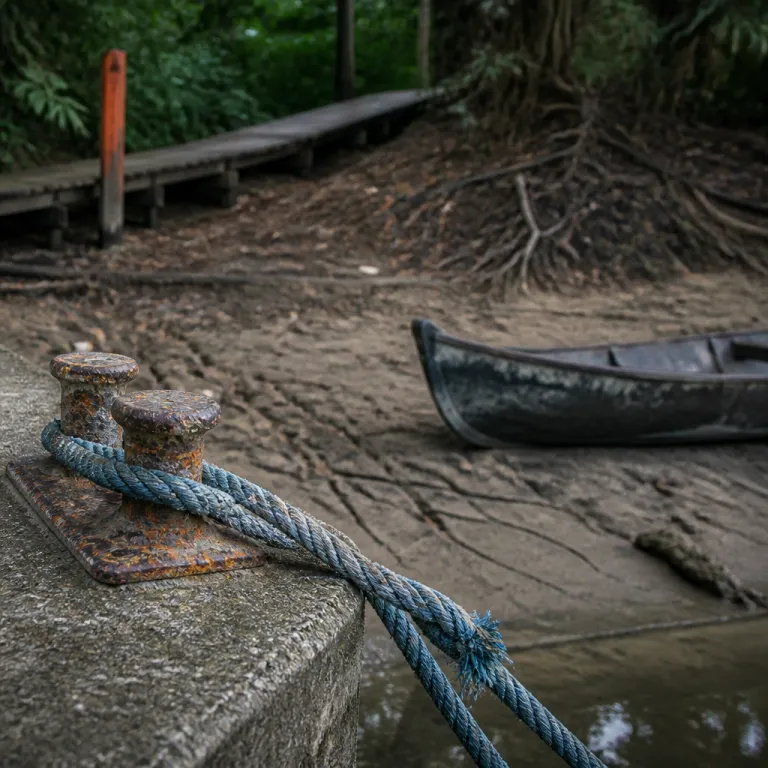
Amazon rainforest July August travel: what low water really means for families
July and August in the Amazon rainforest are not a classic summer holiday, and that is exactly why they work for many premium families. This is the low water season across much of the basin, when the amazon river and its tributaries pull back from the forest edge, trails reappear, and amazon rainforest July August travel becomes less about drifting silently through flooded canopy and more about walking directly into the jungle. For parents weighing the best time visit Amazon with children, these months will feel surprisingly structured, with clear trade offs between comfort, wildlife viewing intensity, and how close you want your family to be to the raw elements of the rainforest.
Water season dynamics shape every decision you make, from which rainforest lodge to book to how many days you should stay. During the dry season peak, water level drops expose sandbanks and clay licks, and wildlife clusters around the remaining water sources, so wildlife viewing can be exceptional, but the heat and mosquito pressure rise with each rain month that passes into the core of the dry months. Luxury Amazon properties respond with earlier starts, shaded boats on any remaining river channels, and more time in air conditioned suites during the high sun hours, which matters when the temperature hovers around 30 °C with humidity pushing the heat index higher.
Families coming from the United States often imagine wet season storms and constant rain, yet July and August usually bring only short, sharp showers rather than all day downpours. Average rainfall around 100 mm for the period still keeps the jungle lush, but long dry spells open up forest paths that are impassable in the high water season, turning amazon rainforest July August travel into a walking focused experience rather than a purely boat based one. If you want your children to feel the forest floor underfoot instead of watching it from a canoe, this is the time visit the Amazon rainforest and stay at a lodge that leans into guided hikes.
From puerto Maldonado to Iquitos and Coca: how regions shift in low water season
Not every corner of the Amazon rainforest behaves the same way in the dry season, so your choice of river and country matters more in July and August than at any other time. Around puerto Maldonado in southern Peru, the Tambopata and Madre de Dios rivers drop quickly, revealing beaches and the famous clay licks where macaws and parrots gather in dense, photogenic crowds, which makes this stretch one of the best regions for family friendly wildlife viewing during amazon rainforest July August travel. Trails like the Monkey Island circuit become firm underfoot, and a good rainforest lodge here will schedule early morning walks followed by shaded boat rides when the sun climbs high.
Farther north in iquitos Peru, the main amazon river channel remains broader, but side creeks shrink, so smaller motorboats and canoes replace larger vessels on many excursions. Luxury Amazon properties near the Pacaya Samiria national reserve pivot towards low water explorations on foot, with guides leading families along exposed levees and into palm swamps that were flooded during the wet season, while still using boats where water level allows. This is where the quote from local operators rings true for cautious parents : "Swimming is generally discouraged due to potential hazards like strong currents and wildlife."
Over in coca Ecuador, gateway to the Yasuní region, the pattern is similar but the feel is different, with more emphasis on canopy towers and walkways that suddenly give children a clear view of the forest floor 30 m below. Here, amazon rainforest July August travel often means combining river journeys with time in tree level platforms, watching monkeys cross natural bridges that were hidden in the high water months, and then returning to a rainforest lodge with screened rooms and fans to escape the afternoon heat. Families interested in cultural immersion can also pair a low water stay near Iquitos with an overnight in indigenous community accommodations, and this is where guides who work with the Yagua, Bora, and Ticuna around Iquitos, as profiled in this piece on how three indigenous communities host differently, become invaluable for setting expectations.
What luxury really looks like in July and August: lodges, logistics, and pricing
For premium families, the question is not only when is the best time visit Amazon, but which rainforest lodge can turn the low water season into a comfortable, enriching stay. July and August are peak months for amazon rainforest July August travel, so shoulder season pricing disappears, and many high end properties quietly raise rates by 20 to 30 percent compared with late May or early June, especially on family suites that can sleep four or more. The most sought after lodges in Peru, Ecuador, and Brazil often sell out months in advance, which means you will need to lock in your dates early if you want the best rooms near the river or with direct jungle views.
Luxury Amazon in this season is less about marble bathrooms and more about thoughtful infrastructure that shields your family from the harsher edges of the dry season. You want screened windows, strong fans or air conditioning, covered walkways between rooms and dining areas, and boats with canopies that keep the high sun off younger travelers during long days on the water, because the combination of heat and reflected light can be intense. Top rainforest lodge operators also coordinate closely with local guides to adjust itineraries around water level changes, shifting from longer river journeys to more shaded forest hikes when certain channels become too shallow for safe navigation.
Logistics require the same level of care as your hotel selection, especially when you are moving between countries such as Peru and Ecuador or combining puerto Maldonado with Manaus or coca Ecuador. Families planning multi stop amazon rainforest July August travel should build in buffer days for domestic flights and river transfers, and a practical first time itinerary across Brazil, Peru, and Colombia, such as the one outlined in this guide to a practical first time Amazon itinerary, can help you sequence regions by water season. Remember that minimum age policies vary by lodge, often between eight and twelve years, so confirm these details before you book non refundable flights.
Designing family friendly days: wildlife, heat, and health in low water season
Once you have chosen your lodge and river, the real art of amazon rainforest July August travel lies in shaping each day so that children stay engaged, safe, and rested. Low water means more walking and less passive boat time, so a typical dry season day might start with a pre breakfast hike to a canopy tower, continue with a mid morning boat ride along a shrinking creek in search of pink dolphins or giant otters, and end with a night walk where your guide spots caimans by the reflection of their eyes. Amazon lodge operators and local guides coordinate these activities carefully, using canoes, motorboats, and well maintained trails to balance adventure with safety.
Wildlife viewing in July and August can be outstanding because animals concentrate near remaining water sources, and this is especially true around clay licks and oxbow lakes in regions like Tambopata or the national reserve areas near Iquitos. Families often see monkeys, sloths, and a wide range of bird species on a single outing, and the dataset confirms this with the straightforward note : "Common sightings include monkeys, sloths, and various bird species." Pink river dolphins are easier to spot in shallower channels, while giant otter family groups can be tracked more predictably as water level falls, though your guide will still manage expectations carefully to keep the experience grounded.
Health and comfort require the same level of planning as your activity list, especially in a season when heat and insects are at their peak. July and August sit firmly in the dry season for many parts of the Amazon rainforest, but there is still enough rain to keep mosquito populations high, so lodges emphasize insect repellent, long sleeves in the evening, and sometimes light treated clothing for children, while medical professionals often recommend vaccinations for yellow fever and malaria prophylaxis for certain regions. For more detailed planning on where to stay inside protected areas such as Tambopata, and how to match your family to the right level of comfort and remoteness, this in depth guide to luxury stays and premium hotel booking in Tambopata National Reserve offers a useful framework.
FAQ
What wildlife can families expect to see in July and August ?
During amazon rainforest July August travel, families can usually expect strong wildlife viewing because animals gather near remaining water sources in the dry season. Around oxbow lakes and clay licks in Peru and Ecuador, sightings of monkeys, sloths, and colorful macaws are common, and pink river dolphins often appear in shallower channels. The expert dataset summarises it clearly : "Common sightings include monkeys, sloths, and various bird species."
Is July and August a good time visit the Amazon with children ?
For many families, July and August are the best time to visit Amazon lodges because school holidays align with the low water season, when trails open and walking based excursions become easier to organise. The trade off is higher heat, more insects, and higher prices, so you will want a rainforest lodge with strong screening, good ventilation, and flexible child friendly programming. If your children enjoy active days outdoors and can handle warm, humid conditions, this period can be ideal.
How much rain should we expect in the low water season ?
Even in the dry season, the Amazon rainforest remains a rain forest, so showers are still part of amazon rainforest July August travel. Climate data for this period indicates average rainfall of around 100 mm, usually falling in short, intense bursts rather than all day storms, which means most excursions can still run with minor timing adjustments. Packing lightweight, breathable clothing that dries quickly, along with a compact rain jacket, will keep your family comfortable between sun and showers.
Are there specific health precautions for July and August trips ?
Health guidance does not change dramatically between wet season and dry season, but the higher mosquito activity in July and August makes protection more critical. The dataset advises that "Vaccinations for yellow fever and malaria prophylaxis are recommended", and many lodges also suggest using insect repellent, wearing long sleeves at dusk, and sleeping under nets where provided. Always consult your pediatrician or a travel medicine clinic before finalising amazon rainforest July August travel with children.
Is it safe for children to swim in the Amazon river during this season ?
Families often assume that lower water level in the dry season makes swimming safer, but that is not the case. Strong currents, submerged branches, and the presence of wildlife mean that operators remain cautious, and the dataset is explicit : "Swimming is generally discouraged due to potential hazards like strong currents and wildlife." Some luxury Amazon lodges offer filtered plunge pools or safe lake areas instead, which give children the water time they want without exposing them to unnecessary risk.
References
National Institute of Meteorology (Brazil) for temperature and rainfall data in the Amazon basin during July and August.
Peru’s Servicio Nacional de Áreas Naturales Protegidas (SERNANP) for information on national reserve management and seasonal access in areas such as Tambopata and Pacaya Samiria.
Ecuador’s Ministerio del Ambiente, Agua y Transición Ecológica for regulations and visitor guidelines in Amazonian protected areas near Coca and Yasuní.