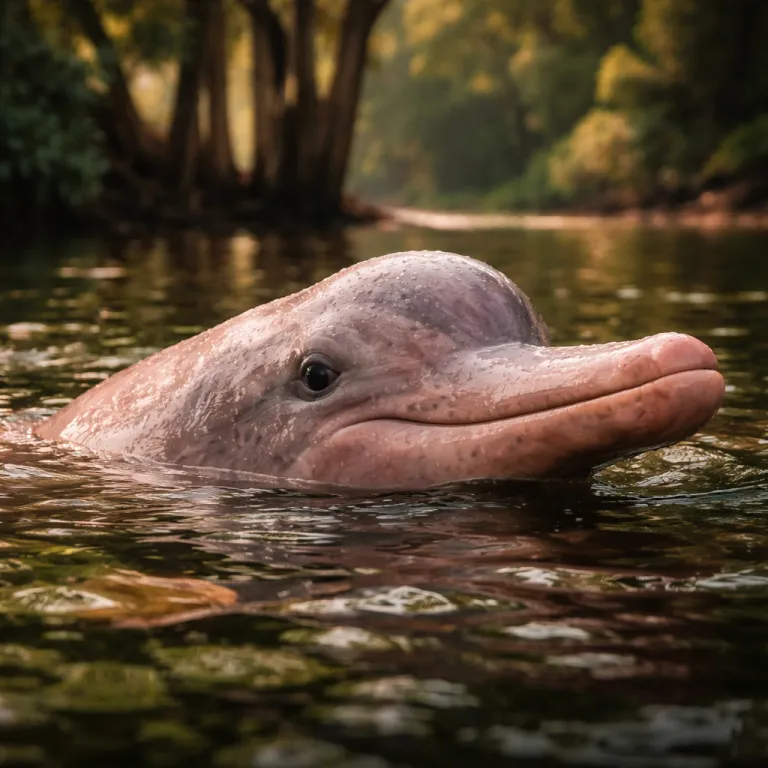
Pink dolphin amazon rainforest family trips: where the magic actually happens
For a pink dolphin Amazon Rainforest family journey, the first decision is not which lodge looks most luxurious online, but which river system quietly stacks the odds in your favour. The endangered pink river dolphin, known scientifically as Inia geoffrensis, is a freshwater river dolphin species that moves through the vast Amazon Basin like a shy, muscular shadow, and your choice between Anavilhanas National Park on the Rio Negro, Peru’s Pacaya Samiria reserve, or the lower Tapajós will shape every encounter. Families who understand how habitat, water level, and local conservation rules interact will enjoy a far richer experience than those who simply book the glossiest cruise.
Across Brazil and Peru, the pink dolphin — or boto — shares its flooded forests and deep channels with other river dolphins, including the smaller gray tucuxi, and children often need help telling the species apart when the animals surface briefly beside the boat. Guides in Anavilhanas, Pacaya Samiria, and the lower Tapajós now explain that “pink river dolphins are iconic species of the Amazon” and that “high water season (December to May) offers better sightings”, giving families a simple frame for what they are seeing. When you plan a luxury travel itinerary around these facts rather than marketing promises, the pink dolphins shift from cartoon mascots into real, vulnerable animals whose conservation depends on how respectfully visitors behave.
Think of the Amazon River and its tributaries as a layered stage, where each basin — the black water of the Rio Negro near Anavilhanas, the labyrinthine Pacaya Samiria channels in Peru, and the clear green lower Tapajós — offers a different kind of pink river dolphin performance. In the Rio Negro, the dark, tannin stained water makes the pale bodies of adult males almost glow, while in Pacaya Samiria the dolphins’ natural behaviour is shaped by deeper pools and fewer boats. Down on the lower Tapajós, where the river widens and sandbars appear, families often see both pink dolphins and other river dolphin species cruising the edges of the current, especially during long, slow river cruises that time their outings for soft, high light.
Anavilhanas National Park: reliable botos, black water, and polished family lodges
Anavilhanas National Park, a roughly 350 000 hectare archipelago on the Rio Negro in Brazil, is the most reliable stage for a pink dolphin Amazon Rainforest family holiday that still feels wild but logistically smooth.[1] The black water here is low in sediment and insects, and luxury lodges along this stretch of the Amazon River have learned to pair comfortable suites with serious naturalist guiding, which matters more than any infinity pool when your children are scanning for a shy river dolphin. For families nervous about long travel days, Anavilhanas is the easiest of the three regions to reach, with short boat transfers of about 45–90 minutes from Manaus after a 30–60 minute road segment, and a well developed network of local communities and conservation partners.
Daily boat tours weave through narrow channels where pink dolphins and other river dolphins patrol for fish, and excellent guides position the skiff so the animals choose the distance, not the humans. On a typical three hour outing, families might see pink river dolphins on two out of three days in high water season, with shorter, more sporadic encounters in low water months, according to lodge sighting logs summarised in ICMBio monitoring reports from 2018–2022.[1] You will hear about the scientific name Inia geoffrensis, the way adult males often show a deeper pink colour, and why swimming with any dolphin inia is discouraged to protect both people and animals. Operators who respect conservation rules now repeat the guidance that “swimming is discouraged to protect the dolphins and their habitat”, steering families toward quiet observation instead of contact.
The uncomfortable truth is that some spots around the Amazon Basin still promote boto feeding shows, where pink dolphins are lured with fish for close photos, and Anavilhanas has had to confront this history. Ethical lodges now refuse to participate, explaining that “book tours with reputable operators” is not a slogan but a conservation strategy that keeps the habitat functioning for all species. In practice, that means choosing companies that follow ICMBio guidelines, such as limiting engine noise near key feeding areas and never provisioning dolphins.[1] When you evaluate a luxury property here, read beyond the amenity list and ask directly whether they support any feeding of river dolphins, then favour those who invest in local communities and partner with Indigenous guides for low impact river cruises.
Families who want a broader sense of Brazilian Amazon luxury sometimes also look at forest lodges in Mato Grosso or other regions, which we review in depth in our guide to immersive luxury in the heart of the Amazon. These properties may sit outside the core pink river dolphin range, but their approach to guiding, conservation, and family friendly pacing mirrors what you should expect from any high end lodge in Anavilhanas. Use that benchmark when comparing river cruises and fixed lodges along the Rio Negro, and you will quickly see which properties treat the pink dolphin as a sentient neighbour rather than a prop.
Pacaya Samiria, Peru: deeper wilderness, stronger ethics, and the ayahuasca question
Pacaya Samiria National Reserve in Peru is a different proposition for a pink dolphin Amazon Rainforest family trip, trading easy access for a sense of deep, waterlogged wilderness. This roughly 2 080 000 hectare protected area sits in the heart of the Peruvian Amazon Basin, where the Marañón and Ucayali rivers feed a maze of flooded forests that feel far removed from the main Amazon River cruise corridors.[2] Families who make the long journey here — usually a flight to Iquitos followed by a 4–6 hour combination of road and boat transfers, depending on water level and embarkation point — usually do so because they want fewer boats, more wildlife, and a stronger emphasis on conservation science.
On Pacaya Samiria’s black and brown channels, river cruises and small eco friendly motorboats search for both pink dolphins and other river dolphin species at dawn and dusk, when the water is calm and the light low. Long term monitoring projects in the reserve report that pink river dolphins are detected on the majority of multi day surveys in core zones, though encounter duration and distance vary with season and fishing pressure.[3] Guides explain how the local habitat changes between high water and low water seasons, why some pools hold more fish, and how the behaviour of Inia geoffrensis differs from that of the gray tucuxi. Children quickly learn to listen for the soft exhale of a surfacing dolphin inia before they see the curved back break the surface, and that sensory memory often outlasts any photograph.
Pacaya Samiria has largely avoided the boto feeding culture that still lingers in parts of Brazil, partly because access is harder and partly because conservation organisations have worked closely with local communities. SERNANP’s management plans and co management agreements, updated through 2020, emphasise keeping wildlife wild, and community based tourism projects here are evaluated on their compliance with no feeding and minimum distance rules for river dolphins.[2][3] Here, “growing interest in eco-tourism” has been channelled into stricter rules that keep river dolphins wild, and families are encouraged to “respect wildlife and local customs” as part of every briefing. When you compare lodges and river cruises in this region, prioritise operators who support research on pink dolphins and other species, and who are transparent about how tourism revenue flows back into conservation.
One nuance families must weigh in Pacaya Samiria is the overlap with plant medicine tourism, particularly ayahuasca retreats that sometimes share logistics with wildlife focused lodges. Our detailed guide on what Amazon lodges allow around plant medicine explains how to separate serious naturalist operations from more esoteric offerings, and why ceremonies involving psychoactive brews are not appropriate for children. For a pink dolphin Amazon Rainforest family itinerary, choose properties that keep wildlife observation, river dolphin conservation, and family safety at the centre of their programme, leaving ayahuasca to specialist retreats that do not mix children and ceremony.
Lower Tapajós: clear water, sandbars, and slower, more spacious encounters
The lower Tapajós region, where the clear green Tapajós meets the main Amazon River near Santarém, offers a softer, more spacious version of the pink dolphin Amazon Rainforest family experience. Here the water clarity, broad sandbars, and slower current create a very different habitat from the black water of Anavilhanas or the flooded forests of Pacaya Samiria. Families who prefer open horizons to tight channels often find this landscape more relaxing, especially with younger children who need room to move between outings.
Pink dolphins and other river dolphins patrol the edges of the current where the clear Tapajós meets the darker Amazon, and guides often anchor near sandbars so families can watch from a respectful distance. Because the water is clearer, it is sometimes easier for children to glimpse the pale bodies of adult males below the surface, especially when the high sun cuts through the green depths. Based on regional tourism statistics and named operator logs compiled between 2016 and 2021 in the Santarém area, sightings here are frequent on multi day trips but more dispersed than in Anavilhanas, with longer intervals between encounters and more emphasis on scanning wide channels rather than waiting in a single hotspot.[4] The encounters feel less concentrated than in Anavilhanas, but when a pink dolphin surfaces against the backdrop of a wide, calm river, the sense of scale is unforgettable.
Luxury in the lower Tapajós is quieter and more dispersed, with a mix of small lodges and chartered river cruises that use eco friendly boats to minimise wake and noise. The best operators here work closely with local communities along the Amazon Basin, building itineraries that combine wildlife watching with visits to riverside schools, craft cooperatives, and forest trails. Children who might be less fixated on species lists often remember these human encounters as clearly as the dolphins’ natural behaviour, and that balance can make the region ideal for multi generational groups.
Because the lower Tapajós sits within a broader South America itinerary, some families pair it with time in the Andes or even a side trip to Machu Picchu, though the logistics require careful planning. From Santarém, most travellers connect through Belém, Manaus, or Brasília, adding at least one extra flight segment before or after their Amazon River cruise. If you are considering that kind of long journey, be realistic about how many internal flights and river transfers your children will tolerate before the magic wears thin. For many, a focused stay on the Tapajós, with unhurried days on the pink river edges and evenings watching the sky change colour over the basin, delivers more than enough luxury without stretching the schedule.
Ethics, age suitability, and choosing the right river for your family
When you strip away the marketing, a pink dolphin Amazon Rainforest family trip comes down to three questions: how wild you want the habitat to feel, how strongly you prioritise conservation ethics, and how much travel your children can handle. Anavilhanas on the Rio Negro is best for families who want reliable sightings, polished lodges, and shorter transfers, accepting that some nearby areas are still untangling themselves from a history of feeding pink dolphins. Pacaya Samiria in Peru suits those who value remoteness and stricter conservation rules, and who are comfortable with longer boat journeys through flooded forests where river dolphins appear less predictably but behave more naturally.
The lower Tapajós, by contrast, is ideal for families who prefer open water, clear views, and a slower pace, even if the density of pink dolphins and other species feels lower than in the black water strongholds. Younger children often do well here, because the combination of sandbars, village visits, and gentle river cruises breaks up the day into manageable segments. Teenagers with a strong interest in wildlife or conservation might gain more from Pacaya Samiria’s research focused context, where guides talk frankly about threats such as habitat loss, pollution, and the pressures on river dolphin populations across the wider Amazon Basin and even into the Orinoco River and Bolivian river systems.[3][5]
Whatever region you choose, avoid any operator that promotes direct contact with pink dolphins, feeding shows, or swimming alongside river dolphins, no matter how gentle the marketing language sounds. Families who instead support lodges that invest in conservation, partner with Indigenous and other local communities, and use eco friendly boats help ensure that “increased conservation efforts and sustainable development” remain more than brochure phrases. For a deeper look at how the word “resort” can mislead in this context, our analysis of what family friendly lodges actually deliver in the Amazon is essential reading before you book.
Age suitability is less about a fixed number and more about attention span, patience, and comfort on boats, especially during long stretches on the Amazon River or its tributaries. Children who can sit quietly for twenty minutes, listen for the exhale of a surfacing dolphin inia, and handle humid heat will usually thrive from about seven years old upward. For younger ones, choose shorter outings, lodges with shaded play spaces, and guides who understand that the most meaningful pink dolphin encounters often happen when a child is allowed to ask simple questions about a single animal rather than chase a checklist of species.
FAQ
What is the best time of year to see pink river dolphins with children?
Families generally have better chances of seeing pink river dolphins during the high water season, when flooded forests expand and fish are more widely distributed. Operators in Anavilhanas, Pacaya Samiria, and the lower Tapajós all report more frequent sightings between December and May, though exact timing varies slightly by river.[1][3][4] In low water months, channels can be narrower and access easier, but dolphins may concentrate in deeper pools that require longer boat rides.
Are pink river dolphins endangered, and how can our family help?
Pink river dolphins are classified as Endangered on the IUCN Red List because of habitat loss, pollution, and accidental capture in fishing gear across the Amazon Basin and connected systems such as the Orinoco River.[5] Your family can help by choosing lodges and river cruises that support conservation projects, avoid any feeding or swimming activities, and work closely with local communities. Supporting reputable operators also encourages governments and park authorities to strengthen protection for these species and their habitat.
Can we safely swim in the Amazon River near pink dolphins?
Swimming in the Amazon River is sometimes possible in carefully chosen areas, but it should never be done to approach pink dolphins or other river dolphins. Conservation authorities and responsible guides emphasise that “swimming is discouraged to protect the dolphins and their habitat”, because close contact can stress the animals and change their natural behaviour.[1][3] If your children want to swim, ask your lodge to suggest safe, wildlife friendly spots away from key feeding areas.
Which region is best if pink dolphins are the main focus of our trip?
If pink dolphins are the anchor of your itinerary and you want high encounter rates with strong comfort levels, Anavilhanas on the Rio Negro in Brazil is usually the best choice. Families who value remoteness and stricter conservation rules might prefer Pacaya Samiria in Peru, accepting longer travel days and less predictable sightings. The lower Tapajós offers a balanced option with clear water and relaxed pacing, ideal when pink dolphins share the spotlight with broader cultural and landscape experiences.
How long should a pink dolphin focused family trip last?
A minimum of four to five nights in a single region gives families enough time to adjust to the climate, explore different habitats, and enjoy multiple boat outings without rushing. Longer stays of seven nights or more work well when combining two areas, such as Anavilhanas and the lower Tapajós, but only if your children handle travel days comfortably. Shorter trips can still be rewarding, yet they leave less flexibility for weather changes or days when the dolphins simply stay out of sight.
Sources
[1] ICMBio – management plans and technical reports for Anavilhanas National Park (for example 2018–2022 monitoring summaries), including data on protected area size, access logistics, and wildlife viewing guidelines.
[2] SERNANP – official data on Pacaya Samiria National Reserve in Peru, including area, zoning, and community co management agreements, with updates through 2020.
[3] Peer reviewed studies and monitoring reports on Inia geoffrensis sighting rates and behaviour in Pacaya Samiria and other Amazon Basin protected areas, published mainly between 2010 and 2021.
[4] Regional tourism statistics and named operator logs from the lower Tapajós and Santarém area (2016–2021), summarising typical encounter frequencies and seasonality for river dolphins.
[5] IUCN Red List assessment for Inia geoffrensis (most recently reviewed 2018–2019), detailing conservation status, distribution across the Amazon and Orinoco systems, and principal threats.