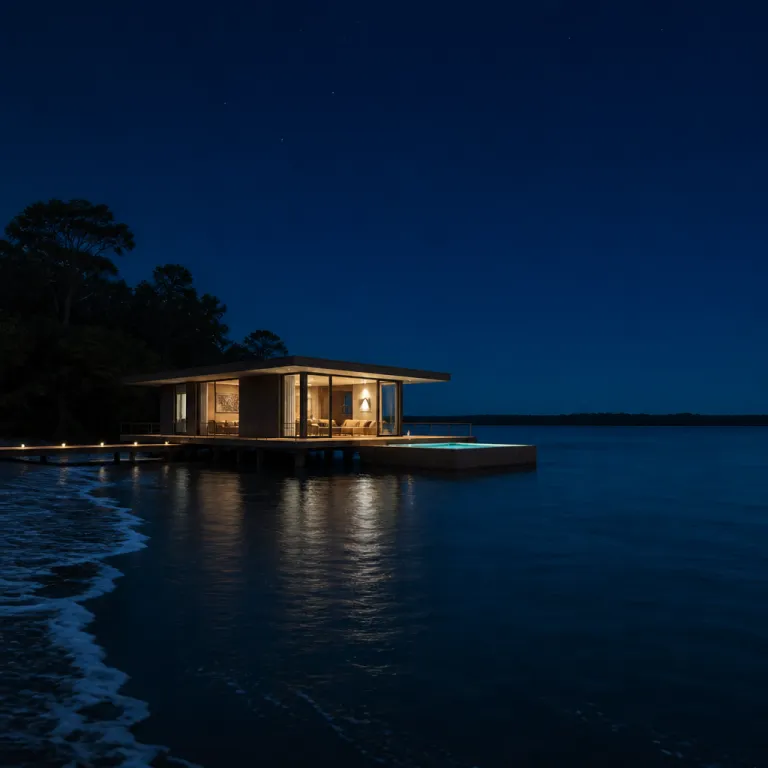
Luxury in the amazon forest after dark: what to expect
Night falls quickly in the Amazon rainforest, and the darkness feels absolute. For many people, the idea of the Amazon after dark raises questions about safety, comfort, and how close you will be to wildlife. High end rainforest lodges now turn that same darkness into a controlled, luxurious theatre of sounds and shadows, where you can listen to the forest without feeling exposed.
In the wider Amazon rainforest, more than three million species of plants, animals, and tiny creatures share a vast forest area of about 5 500 000 km² across South America, according to the World Wildlife Fund and NASA Earth Observatory (WWF, “Amazon Rainforest”; NASA, “Vital Signs of the Planet”). Luxury properties in the Amazon region sit on carefully chosen river banks or forest clearings, balancing access to the Amazon River or its tributaries with distance from the most dangerous animals. When you read hotel descriptions, look for clear references to guided night walks, secure elevated walkways, and screened suites that keep insects and other potentially harmful species outside.
Guests often worry about jaguars, green anacondas, or poison dart frogs when they picture the Amazon at night. The reality is that well designed lodges use raised platforms, solid walls, and trained indigenous people as guides to reduce any threat to humans. As Brazilian biologist and conservationist João Marcos Rosa notes in interviews about nocturnal tourism in the region, “With experienced guides and clear protocols, the risks of night excursions in the Amazon are very low compared to what people imagine.” A guest at a premium lodge near Manaus summed it up after a first night walk: “It sounded wild, but I always felt the staff were in control.”
Choosing a premium lodge near Manaus and the amazon river
Manaus, in the Brazilian state of Amazonas, is the main urban gateway for people who want luxury access to the Amazon rainforest. From here, you can reach refined riverfront properties that offer fast boat transfers, air conditioned suites, and curated rainforest adventures that still respect indigenous tribes and local species. A leading example is the Anavilhanas Jungle Lodge near Manaus, a well known eco lodge that combines comfort with guided immersion in forest life and follows safety standards similar to those recommended by Brazil’s tourism authorities.
When comparing premium hotels, read how each one manages proximity to the Amazon River and surrounding forest trails at night. Some lodges focus on quiet river experiences, with evening canoe outings to watch nocturnal animals hunt fish and other prey along the banks. Others emphasise forest based activities, where guides explain how indigenous tribes use plants for medicine and how different species in the Amazon region adapt to low light, cooler air, and the intense nighttime soundscape.
Safety standards should be explicit, not implied, especially if you feel the Amazon rainforest after dark might overwhelm you. Look for clear policies on escorted movement after sunset, emergency communication systems, and staff trained to handle encounters with dangerous animals such as anacondas or venomous insects. High quality lodges also work with indigenous people and local biologists to monitor species in the Amazon forest, reducing risks while still allowing guests to live the Amazon through authentic, carefully managed experiences.
Nighttime rainforest adventures for luxury travellers
Once you settle into your suite, the real magic of the Amazon rainforest begins after dark. Nocturnal wildlife activity increases as predators, insects, and other creatures emerge from the forest undergrowth and along the river edges. Luxury lodges transform the Amazon at night into guided adventures that feel thrilling yet controlled, replacing fear with informed curiosity.
Typical programmes include slow boat trips on calm stretches of the Amazon River or nearby channels, where spotlights reveal caimans, night birds, and sometimes the red bellied eyeshine of hidden mammals. On land, short guided walks introduce guests to dart frogs, giant insects, and the complex web of plants and animals that rely on stealth hunting, camouflage, and ambush predation. Many itineraries time these outings between dusk and midnight, when predator movement peaks and the forest soundscape is at its richest, with frogs calling, insects buzzing, and branches cracking in the distance.
For travellers who want more structured rainforest adventures, some lodges offer seasonal walking expeditions when water levels drop and the forest floor becomes accessible, as described in guides to low water walking expeditions. Guides explain facts about species in the Amazon forest, from tiny poison dart frogs to the elusive green anaconda, and how each one fits into the food chain as prey or predator. With experienced teams, guests can enjoy the Amazon rainforest at night while hearing constant reassurances such as “do not worry, we control the route and know where dangerous animals usually move,” which helps nervous visitors relax and focus on observation.
Understanding dangerous animals and real risks at night
Luxury travellers often arrive with dramatic images of dangerous animals lurking behind every tree. The Amazon rainforest does host apex predators such as jaguars and giant constrictors like the green anaconda, along with venomous insects and amphibians such as poison dart frogs. Yet in managed areas around high end lodges, the actual threat to humans is carefully reduced through design, training, and strict protocols that limit unplanned contact.
Guides explain that most species in the Amazon forest avoid people when given the chance, and that attacks are rare where visitors stay on marked trails and elevated structures. Poison dart frogs, for example, carry toxins on their skin, but they pose little direct threat to humans who follow the rule of not touching wildlife. Even the most dangerous animals, including large snakes and stealthy cats, usually treat humans as something to ignore rather than prey, especially in zones with regular human presence and noise from boats or generators.
To feel more at ease with the Amazon rainforest at night, ask your lodge to share clear facts about local species and recent wildlife sightings. Many properties provide short briefings that cover how to move safely after dark, what to do if you see a dart frog or other bright coloured creatures, and why you should stay with experienced guides and avoid wandering alone. Simple measures such as using protective clothing, closed footwear, and a reliable flashlight make it easier to live the Amazon at night without unnecessary anxiety, while still respecting the animals’ space.
Culture, indigenous tribes, and respectful encounters
The Amazon region is not only a forest of animals and plants; it is also home to many indigenous tribes and communities. Some people live close to luxury lodges and collaborate as guides, boat pilots, or cultural hosts, sharing knowledge about species in the Amazon forest and traditional uses of plants. Other groups, including uncontacted tribes deep in the forest, remain intentionally isolated and must never be approached by tourism operations.
Responsible hotels work with recognised indigenous people organisations to ensure that visits to villages respect local customs and privacy. Guests may learn how indigenous tribes fish on the river at night, how they interpret the sounds of creatures in the Amazon rainforest after dark, and how they navigate by stars and river currents. These encounters help visitors read the landscape differently, understanding that for many families who live in the forest, the Amazon River and surrounding rainforest are both home and pantry.
Historical context also enriches a stay, from early European journeys by explorers such as Francisco Orellana on the Amazon River to modern debates about deforestation and biodiversity loss. When you choose a hotel, ask how it supports indigenous people, whether through employment, fair trade crafts, or conservation partnerships that protect land where uncontacted tribes may live. In this way, luxury travel can reduce the long term threat to humans and wildlife by helping to preserve the living cultures that have sustained the Amazon forest for generations.
Planning your stay: practical tips for a safe and elegant trip
Thoughtful planning turns the intimidating image of the Amazon at night into a sophisticated, rewarding journey. Start by choosing the right season for your interests, whether you prefer higher water levels for canoeing or lower water for forest floor walks and wildlife viewing. Then match your preferred style of luxury, from river facing suites with private decks to more secluded forest lodges that emphasise silence and immersion.
Pack light, long sleeved clothing to protect against insects, along with closed shoes suitable for short rainforest walks. Many lodges provide rubber boots for muddy trails, but you should still bring breathable layers, a good rain jacket, and a headlamp or flashlight for moving between your room and common areas after dark. Remember the expert advice often repeated by guides: “What should I wear in the Amazon? Light, long-sleeved clothing to protect against insects.”
Before you travel, read detailed hotel descriptions and independent reviews that mention how people live the Amazon experience at night, not only during daytime excursions. Look for references to guided night outings, clear safety briefings, and staff who can explain facts about species in the Amazon forest, from dart frogs to larger creatures. For deeper itinerary planning that combines river time with forest stays, consult broader Amazon travel resources, then coordinate with your chosen lodge to align transfers, activities, and rest days so that nighttime excursions fit comfortably into your schedule.
Key statistics about luxury travel in the amazon rainforest
- The Amazon rainforest covers about 5 500 000 km² across several South America countries, making it the largest continuous tropical forest on earth, according to the World Wildlife Fund and NASA.
- Scientists estimate that around three million species live in the Amazon region, including plants, animals, fungi, and microorganisms, which means every guided walk passes through one of the richest biodiversity hotspots on the planet (National Geographic and peer reviewed biodiversity studies report similar ranges).
- Nighttime is when predator movement peaks in many parts of the forest, so luxury lodges schedule escorted activities between dusk and midnight to balance wildlife viewing with guest safety.
- Manaus, the main urban hub for Amazon River tourism in Brazil, sits near the confluence of the Rio Negro and the Solimões, giving travellers fast access to both blackwater and whitewater environments.
- Conservation organisations report that deforestation and climate change remain major threats to the Amazon forest, so many premium lodges now support reforestation and community projects as part of their operating model, often publishing annual impact summaries.
FAQ about luxury hotels and nighttime safety in the amazon forest
Is it safe to stay in a luxury lodge in the Amazon at night ?
High quality lodges near the Amazon River and in the wider rainforest use elevated structures, screened rooms, and trained guides to minimise contact with dangerous animals. As the expert guidance states, “Are there dangerous animals in the Amazon? Yes, including jaguars, anacondas, and venomous insects.” With proper design and protocols, the actual risk to guests remains low, especially when visitors follow staff instructions.
What should I wear for nighttime activities in the rainforest ?
For evening boat trips and short forest walks, wear light, long sleeved shirts, long trousers, and closed shoes or boots. This combination protects against insects and minor scratches from plants while keeping you comfortable in humid conditions. Many lodges also recommend a light rain jacket and provide additional gear such as rubber boots when needed.
Can I see a green anaconda or poison dart frog during my stay ?
Sightings of a green anaconda are rare and never guaranteed, because these giant snakes are secretive and often remain in remote wetlands. Poison dart frogs and other dart frog species are easier to observe with guides who know their preferred habitats, especially during damp conditions. Responsible lodges emphasise observation from a distance, without touching or disturbing these colourful creatures.
Do indigenous tribes participate in luxury tourism experiences ?
In some areas, indigenous people collaborate with lodges as guides, cultural interpreters, or artisans, sharing knowledge about species in the Amazon forest and traditional uses of plants. Visits to communities are usually prearranged and follow agreed protocols that respect local customs and privacy. Uncontacted tribes remain strictly off limits, and reputable operators support policies that protect their territories.
How can I choose a lodge that supports conservation in the Amazon region ?
When researching hotels, look for clear information about partnerships with conservation organisations, support for indigenous tribes, and concrete actions such as reforestation or wildlife monitoring. Properties that publish transparent data on their environmental impact and community projects usually take their responsibilities seriously. Reading independent reviews and asking direct questions before booking helps you align your stay with your values.