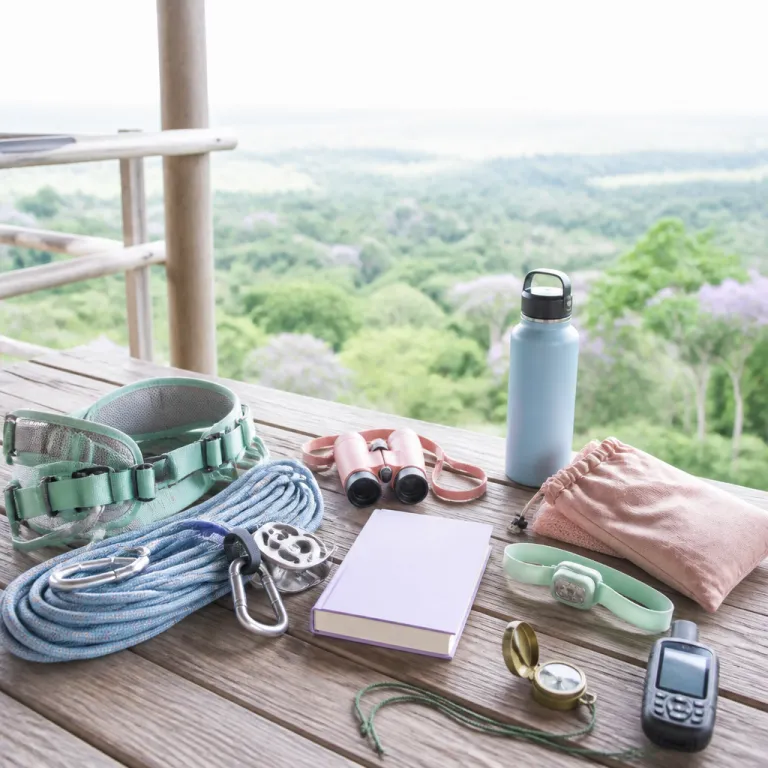
Canopy amazonas: where elevated luxury meets the amazon rainforest
High above the forest floor, a canopy amazonas stay puts you at eye level with scarlet macaws and toucans. In this elevated world of the Amazon rainforest, treetop lodges integrate discreetly with the canopy while still offering refined comfort and attentive service. From your suite you may watch mist lift from the Amazon jungle as riverboats glide silently along the Tambopata River.
The most sought after amazonas lodge options near Puerto Maldonado balance immersion and ease, giving you air conditioned rooms, fine Peruvian cuisine, and expert naturalist guides in one curated stay. Properties such as Refugio Amazonas and Posada Amazonas sit inside or beside protected reserve zones, so your canopy views extend over intact jungle rather than fragmented farmland. Many of these rainforest lodge estates invest in conservation and research, which means your booking directly supports long term protection of the surrounding forest and its wildlife species.
In the region of Madre de Dios, the best canopy amazonas stays often include access to a multi meter canopy walkway or a dedicated canopy tower for sunrise birdwatching. These viewing platforms rise above the tallest tree crowns, giving you a 360 degree view over the Amazon rainforest and the sinuous Tambopata River. When you combine these elevated structures with guided jungle walks and a tranquil boat ride at dusk, you gain a layered understanding of how the rainforest canopy, understory, and river channels connect.
Choosing your amazonas lodge along the tambopata river
Selecting the right amazonas lodge along the Tambopata River starts with clarifying how close you want to be to pristine rainforest. Lodges such as Refugio Amazonas and Posada Amazonas sit several hours by boat ride from Puerto Maldonado, which filters out day trippers and creates a quieter, more exclusive atmosphere. This distance also places you nearer to clay lick sites and deeper sections of protected forest, where wildlife encounters feel more frequent and less disturbed.
Closer to town, some canopy amazonas properties offer faster access and shorter transfer times, which can suit families or travelers with limited days. These lodges may still provide access to a canopy tower, guided jungle walks, and visits to a Brazil nut concession, but you will share trails with more visitors and river traffic. Further upriver, near Tambopata National Reserve and adjacent national park boundaries, rainforest lodge operations often limit guest numbers to protect sensitive species and maintain a calm, premium ambience.
When comparing amazonas lodge options, look carefully at how each property manages its rainforest canopy access and its relationship with local communities. Some lodges partner with nearby villages for guiding, boat operations, and supply chains, which strengthens both cultural authenticity and long term conservation outcomes. For a deeper river based itinerary that complements your canopy amazonas stay, consider adding a side trip on a clear water tributary such as the Tapajós, using a specialist guide to plan three days on the Tapajós River as a contrasting experience.
Rainforest canopy towers, clay licks, and elevated wildlife viewing
For many guests, the defining canopy amazonas moment happens on a pre dawn climb up a canopy tower as the forest wakes. These towers, often 30 to 40 meter canopy structures, place you among the highest tree crowns where parrots, tanagers, and canopy specialist species move through the first light. In peer reviewed work on canopy birds in Central Amazonia near Manaus, ornithologist Luciano N. Naka and collaborators used multiple towers and more than one hundred standardized bird censuses to analyze species composition and structure of upper layer bird assemblages in primary terra firme forest.
That research, conducted with support from the Instituto Nacional de Pesquisas da Amazônia and focused on Central Amazonian sites around Manaus, recorded roughly 160 species in the upper layers alone. While the exact figures apply to those Brazilian study areas rather than Madre de Dios, they help answer a key question for travelers who care about conservation: “What is the Amazon rainforest canopy? The upper layer of the forest formed by tree crowns.” This same rainforest canopy is what you will experience from a tower at Refugio Amazonas or Posada Amazonas in Peru, where guides help you identify macaws, toucans, and raptors as they cross the sky above the Amazon jungle.
Equally compelling are the clay lick experiences that many canopy amazonas itineraries include as signature excursions. A clay lick is a naturally exposed bank where macaws and parrots gather to eat mineral rich clay, and some of the most famous sites lie within reach of lodges along the Tambopata River. To prepare your senses for nocturnal wildlife after these daytime spectacles, lodges in the Tambopata region often follow a detailed night walk protocol, described by local guides as “training your eye before you see the first pair of caiman eyes,” which helps you adjust to darkness and movement in the forest.
Signature experiences at refugio amazonas and posada amazonas
Refugio Amazonas and Posada Amazonas have become reference points for canopy amazonas stays because they blend elevated comfort with serious conservation work. At Refugio Amazonas, a short walk of around ten minutes from many suites brings you to a dedicated canopy tower that rises above the surrounding rainforest canopy and offers sweeping views over the Tambopata River. From this tower you can enjoy sunrise and sunset sessions, watching flocks of species such as oropendolas, parrots, and raptors cross the Amazon jungle skyline.
Posada Amazonas, co managed with a local community, offers a similar canopy amazonas perspective but with a stronger cultural dimension woven into each tour. Here, a guided jungle walk might combine medicinal tree identification, a visit to a Brazil nut concession, and a stop at a nearby clay lick where parrots and sometimes mammals gather to feed. Both lodges sit within or adjacent to a protected reserve, giving guests access to sections of Tambopata National Reserve forest that still hold healthy populations of primates, tapirs, and large macaw species.
Guests who want to enjoy a more research focused stay can often join monitoring activities such as the macaw project, which tracks nesting success at clay lick sites and in artificial nest boxes. Participation in such projects deepens your understanding of how canopy amazonas tourism can directly support data collection and long term protection of the Amazon rainforest. Between structured activities, you can simply relax on your veranda at either amazonas lodge, listening to the layered sounds of insects, frogs, and distant howler monkeys echoing through the trees.
Designing a luxury itinerary around canopy amazonas experiences
A refined canopy amazonas itinerary usually begins and ends in Puerto Maldonado, where you connect with lodge boats and regional flights. From there, your operator will coordinate a comfortable boat ride along the Tambopata River, often in covered motorized canoes with reclining seats and refreshments. As you travel deeper into the Amazon jungle, the riverbanks shift from small farms to continuous rainforest, signaling your approach to national reserve and national park boundaries.
High end itineraries often combine several nights at an amazonas lodge with private guides, flexible schedules, and tailored activities. One day may focus on the rainforest canopy, with dawn and dusk sessions on a canopy tower and a mid morning jungle walk to a giant tree, while another day centers on a clay lick visit and a gentle paddle on an oxbow lake. For guests seeking more seclusion, some operators arrange exclusive use of canopy towers or private dining platforms in the treetops, allowing you to enjoy the sounds of the rainforest without other groups nearby.
To add cultural depth to your canopy amazonas journey, consider including a stay with Indigenous hosts in another part of the Amazon basin. Experiences with the Yagua, Bora, or Ticuna near Iquitos, for example, pair well with a more comfort focused rainforest lodge stay in Madre de Dios. This combination lets you appreciate both the elevated luxury of canopy amazonas properties and the grounded daily life of communities who have lived with the Amazon rainforest for generations.
Practical tips for booking premium canopy amazonas stays
Planning a canopy amazonas trip requires attention to timing, logistics, and your own comfort thresholds. Humidity in the Amazon rainforest is consistently high, so choose an amazonas lodge that offers both effective ventilation and thoughtful design, such as open air rooms with high ceilings and fans or selectively air conditioned suites. When evaluating options, ask how far each property lies from Puerto Maldonado by boat ride, and whether transfers align smoothly with your incoming and outgoing flights.
For wildlife focused travelers, prioritize lodges that offer access to multiple canopy towers, at least one clay lick, and a variety of jungle walk routes through different forest types. Properties near Tambopata National Reserve or adjacent national park zones often have better chances of sightings, because hunting is restricted and forest cover remains continuous. If you are particularly interested in birds, remember that Central Amazonia datasets from canopy tower studies near Manaus documented around 160 canopy bird species over roughly a year of surveys, which underscores how rich the rainforest canopy can be when you spend repeated mornings on a tower.
Health and safety standards should match the premium positioning of your chosen canopy amazonas property. Confirm that drinking water is filtered, that guides are trained in first aid, and that boats carry life jackets and communication equipment on every tour. Finally, pack lightweight long sleeves, quick drying trousers, and closed shoes for jungle walks, because these simple choices will help you enjoy every meter canopy ascent, every clay lick visit, and every quiet moment listening to the Amazon jungle from your veranda.
Key figures behind canopy amazonas research and tourism
- Canopy bird diversity studies in Central Amazonia near Manaus, Brazil, recorded on the order of 160 species in the upper forest layers alone, based on more than 100 standardized censuses conducted from canopy towers, highlighting how much wildlife activity concentrates in the rainforest canopy (Luciano N. Naka and colleagues, Instituto Nacional de Pesquisas da Amazônia supported research).
- Across several study sites around Manaus, a large subset of species was shared among locations, showing that many canopy specialists use broad areas of Amazon rainforest and benefit from large connected reserves rather than isolated fragments (same Central Amazonia project, distinct from Madre de Dios and Tambopata but informative for conservation planning).
- Typical canopy towers at lodges such as Refugio Amazonas and Posada Amazonas range from about 30 to 40 meters in height, which is sufficient to rise above the tallest tree crowns and provide uninterrupted views over the Tambopata River and surrounding jungle (lodge infrastructure data from Madre de Dios, Peru).
- Boat transfers from Puerto Maldonado to deeper Tambopata lodges often last between 2 and 4 hours, a duration that correlates with increased chances of reaching sections of Tambopata National Reserve where hunting pressure is lower and wildlife sightings are more frequent (regional tourism logistics data from local operators).
FAQ about canopy amazonas luxury stays
What exactly is the amazon rainforest canopy and why does it matter for travelers ?
The Amazon rainforest canopy is the upper layer of the forest formed by interlocking tree crowns, where much of the region’s bird and primate activity occurs. For travelers, spending time at this level from a canopy tower or walkway reveals behaviors and species that remain invisible from ground level trails. It also offers expansive views over rivers and reserves, which helps you understand the scale of the ecosystem you are visiting.
How are canopy studies conducted and what do they tell me about my trip ?
Canopy studies are usually conducted using towers, platforms, and observation equipment such as binoculars and field guides, allowing researchers to record species that rarely descend to the forest floor. The Central Amazonia work near Manaus, for example, used several canopy towers over roughly 13 months to document about 160 bird species in the upper layers. For travelers, these findings confirm that early morning sessions in the canopy are essential if you want a complete wildlife experience during your stay.
Is a canopy amazonas lodge stay suitable for families or first time visitors ?
Many amazonas lodge operations along the Tambopata River and in Madre de Dios design programs that work well for families and first time visitors, with flexible activity levels and clear safety protocols. Shorter jungle walks, supervised canopy tower visits, and calm boat rides on oxbow lakes can be tailored to different ages and fitness levels. When booking, ask your operator to match guides and room types to your group’s needs so that everyone can enjoy the Amazon jungle comfortably.
What is a clay lick and why is it included in so many itineraries ?
A clay lick is a naturally exposed bank of mineral rich clay where parrots, macaws, and some mammals gather to feed, often in large colorful flocks. These sites, common along the Tambopata River and within Tambopata National Reserve, provide reliable wildlife viewing and excellent photography opportunities. Because activity peaks at specific times, your lodge will usually schedule early morning or late afternoon visits as part of a broader canopy amazonas program.
How can I ensure my canopy amazonas trip supports conservation and local communities ?
Choose lodges that operate within or beside national reserve or national park boundaries, publish clear conservation commitments, and employ local staff in guiding and management roles. Properties such as Refugio Amazonas and Posada Amazonas, which support projects like the macaw project and community partnerships, channel a portion of your stay into research and livelihoods. Asking direct questions about these initiatives during the booking process helps reinforce best practices across the region.