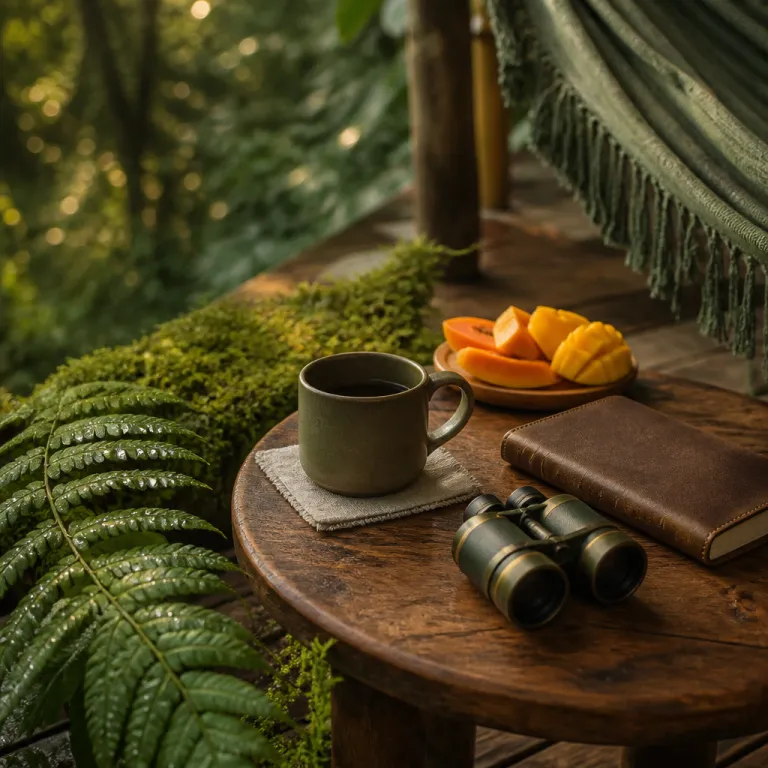
Madidi national park as a luxury rainforest destination
Madidi sits in the northwest of Bolivia, where the eastern Andes drop into the Amazon rainforest. This national park covers about 18 958 square kilometres (IUCN Category II, National Park), making it one of the largest protected areas in South America and a rare setting for refined jungle ecolodge experiences. Within this immense natural area, luxury travellers find a distinctive mix of high comfort, deep wildlife immersion, and meaningful conservation engagement.
The park lies in the La Paz Department, between roughly 12°30' and 14°44' south, and 67°30' and 69°51' west. This location allows Madidi national park to span from high Andean forests down to lowland Amazon jungle areas, which helps explain why scientists have documented more than 8 000 plant species and over 1 250 bird species here, according to long term biodiversity surveys by Bolivian and international research teams. For guests, that biodiversity translates into dawn birdwatching, river cruises, and guided night walks where every outing reveals new wildlife species and habitats.
Madidi is officially recognised by the IUCN as a national park of global importance. The Bolivian Government manages the area through SERNAP (Servicio Nacional de Áreas Protegidas), working with indigenous communities and partners such as the Wildlife Conservation Society, which has supported research and park planning in the region since the 1990s, to align tourism with wildlife conservation goals. When you book a premium jungle ecolodge here, you are entering a living conservation project where integrated management of forests, rivers, and cultural heritage shapes every stay.
Access via Rurrenabaque and choosing the right luxury ecolodge
Most travellers reach Madidi through the small Amazon gateway town of Rurrenabaque. From this local hub on the Beni River, boats and light aircraft connect guests with remote jungle ecolodge properties located inside or near the protected areas of the park. Travel times vary from about one to six hours by river, depending on water levels and distance, so factor this into your planning of arrival and departure days when designing a premium itinerary.
High end lodges in the Madidi jungle typically sit on riverbanks or forest clearings within the broader protected area, offering private cabins, hot showers, and curated wildlife excursions. Some of the most respected properties, such as Chalalán Ecolodge in the territory of the indigenous community of San José de Uchupiamonas, operate as community owned projects that channel revenue directly into local conservation initiatives and sustainable resource management; Chalalán has been cited in numerous ecotourism case studies as a pioneering model for community based luxury in the Amazon. When you compare accommodation types and price tiers, use a detailed guide to Amazon rainforest lodge categories to understand exactly what each level of comfort and service includes, from simple rustic cabins to fully serviced premium ecolodges. This overview of Amazon lodge types and price tiers helps you align expectations with what is realistically available in such a remote national park.
Luxury in Madidi does not mean urban style opulence; it means thoughtful design that respects the jungle and supports indigenous livelihoods. Expect solar powered lighting, natural ventilation instead of air conditioning, and limited connectivity, because the focus is on the surrounding forests and wildlife rather than screens. The best properties integrate management practices that minimise impact on the natural area while maximising guest comfort, such as filtered rainwater systems, low impact trails, and small group excursions led by highly trained local guides who often grew up along these rivers and can read subtle changes in weather, water levels, and animal behaviour.
Seasonality, climate change, and planning your stay
Weather in Madidi national park shifts with altitude and season, so timing matters for a luxury trip. Lowland Amazon areas around Rurrenabaque and the Madidi jungle remain hot and humid year round, while higher Andean forests within the park can feel surprisingly cool at night. River levels, rainfall, and wildlife viewing conditions all change across the months, which directly affects how comfortable boat transfers and jungle walks will feel, especially during the wetter months from roughly November to March and the relatively drier period from about May to September.
Climate change is already influencing rainfall patterns in this part of Bolivia, sometimes bringing heavier downpours or longer dry spells than in previous decades, as documented in regional climate assessments and park management reports. Lodges and park management teams adapt by adjusting excursion routes, investing in sturdier river transport, and refining integrated management plans for trails and fragile habitats. For travellers, the practical step is to choose travel dates with guidance from specialists who track these shifts and to read a dedicated guide on choosing the best time to visit the Amazon for a luxury rainforest stay; this timing resource for Amazon luxury stays offers clear, experience based recommendations that balance comfort, wildlife activity, and river conditions.
Whatever the month, pack for both heat and sudden cool breezes, especially if your itinerary includes higher national park elevations. Lightweight long sleeves, quick drying trousers, and waterproof layers keep you comfortable on jungle ecolodge excursions in different areas of the park. Quality rubber boots are usually provided by lodges, but confirming this detail before travel is a wise part of your personal trip planning, along with asking whether your stay includes private guides, flexible daily schedules, and laundry services for longer itineraries.
Indigenous leadership, Chalalán Ecolodge, and community based luxury
One of the defining features of Madidi is the strong role of indigenous communities in tourism and conservation. Peoples such as the Tacana, Ese Ejja, Tsimané, Mosetén, and the community of San José de Uchupiamonas live in and around the park, holding deep knowledge of the forests and rivers. Their involvement in integrated management and wildlife conservation projects gives luxury travel here a grounded, ethical dimension that many guests describe as the highlight of their journey.
Chalalán Ecolodge, located in a remote lagoon area of the Madidi jungle, is a flagship example of community owned luxury in the Amazon rainforest. The lodge is managed by families from San José de Uchupiamonas, who co created the project with support from the Wildlife Conservation Society and the Bolivian Government as part of a broader Madidi project for sustainable development; this partnership is frequently referenced in academic and NGO reports on successful ecotourism. Guests stay in comfortable cabins built with traditional materials, enjoy refined meals using local ingredients, and join guided walks where indigenous guides interpret species behaviour, forest ecology, and cultural history with exceptional depth. As one long serving guide explains to guests over evening coffee, “When you hear the forest at night, you are listening to our grandparents’ classroom,” a phrase that captures how cultural memory and natural history are woven together.
This model shows how a protected area can host premium tourism while reinforcing local rights and conservation outcomes. Revenue from Chalalán Ecolodge supports education, health, and community infrastructure, while also funding patrols that help safeguard the surrounding protected areas from illegal logging or hunting, as documented in community reports and external evaluations. When you choose such a property, you are not only securing a high quality stay; you are directly supporting an integrated management approach that keeps the Madidi region intact for future travellers and for the wildlife that depends on these forests.
Wildlife, forests, and tailored rainforest adventures
Madidi is widely recognised as one of the most biodiverse protected areas on the planet. Scientists have documented around 8 000 plant species and more than 1 250 bird species here, alongside charismatic mammals such as jaguars, spectacled bears, and several monkey species. For guests staying at a luxury jungle ecolodge, this density of life translates into highly customisable wildlife adventures that can be as active or as relaxed as you prefer.
In the lowland Amazon area, early morning canoe outings glide along oxbow lakes where macaws, hoatzins, and caimans share the same quiet waters. Trails through terra firme forests and floodplain areas reveal troops of capuchin and howler monkeys, while night walks focus on nocturnal species such as frogs, insects, and occasionally ocelots. Higher up, in Andean forests within the national park, birdwatchers may target tanagers, hummingbirds, and other montane wildlife species that rarely appear in lowland jungle, often with the help of local guides who carry field scopes and checklists to track sightings.
Top tier lodges design flexible daily programmes that match your interests, fitness level, and tolerance for heat or humidity. You might spend one day on a long hike through primary forests, another on a relaxed river cruise, and a third visiting an indigenous community to learn about traditional plant uses and local management of natural resources. For travellers who want to compare how different Amazonian regions handle luxury and conservation, reading about another high end property such as Cristalino Lodge in Brazil can be useful; this in depth article on immersive luxury in the heart of the Amazon offers a helpful benchmark for what refined rainforest hospitality can look like in different countries. Immersive luxury in the heart of the Amazon provides that comparative perspective and can help you articulate what style of guiding, comfort, and conservation engagement you value most.
Governance, conservation projects, and what your booking supports
Behind every comfortable cabin and well prepared meal in Madidi lies a complex governance framework. The Bolivian Government, through SERNAP, oversees the park as part of the national system of protected areas, working with local communities and international partners to balance tourism, conservation, and livelihoods. This structure ensures that Madidi national park remains a protected area where long term wildlife conservation takes precedence over short term gains and where tourism is managed through zoning, visitor limits, and community agreements.
Key partners such as the Wildlife Conservation Society support research on species, environmental education, and community based ecotourism initiatives. Conservation programs focus on protecting forests, rivers, and Andean forests from deforestation and unsustainable resource use, while also monitoring how climate change affects habitats across different altitudes. The broader Madidi project framework includes sustainable development projects, integrated management plans, and support for indigenous communities like San José de Uchupiamonas and other local groups who live within or near the park in northwest Bolivia, as documented in public reports and policy briefs.
For travellers, this means that a carefully chosen luxury stay can function as a direct contribution to conservation and community wellbeing. Park entrance fees, lodge payments, and guided tour bookings help fund patrols, research, and habitat restoration activities that keep the national park intact. When you read that “Increasing ecotourism, community-led conservation efforts, and research on biodiversity are shaping Madidi’s future as a model for protected area management”, you are seeing the broader context into which your individual booking is received and integrated, and understanding why many conservation organisations highlight Madidi as a leading example of how protected areas and high end nature tourism can reinforce each other.
Key figures for luxury travel and conservation in Madidi
- Madidi national park covers about 18 958 square kilometres, an area larger than many European countries, which allows luxury lodges to operate with generous space between properties and maintain a strong sense of wilderness.
- Scientists have documented around 8 000 plant species in the park, meaning that a single guided walk from a jungle ecolodge can expose guests to more botanical diversity than many entire temperate countries.
- More than 1 250 bird species have been recorded in Madidi, making it one of the richest birdwatching destinations worldwide and a prime location for high end photographic safaris.
- The park’s elevation gradient, from lowland Amazon rainforest to high Andean forests, creates multiple climate zones within one protected area, which is why packing for both heat and cool nights is essential for comfort.
- Community based projects such as Chalalán Ecolodge channel a significant share of tourism revenue into San José de Uchupiamonas, supporting education and local infrastructure while reinforcing conservation commitments documented in community and NGO reports.
FAQ about luxury stays in Madidi national park
What is Madidi national park and why is it special for luxury travel ?
Madidi national park is a protected area in northwest Bolivia, recognised as one of the most biodiverse places on Earth. Its combination of Amazon rainforest, Andean forests, and river systems allows luxury lodges to offer varied wildlife experiences within a single itinerary. For high end travellers, the park’s remoteness, conservation focus, and strong indigenous leadership create a rare blend of comfort, authenticity, and environmental responsibility.
How do I reach Madidi for a premium jungle stay ?
Access usually starts with a flight or overland journey to Rurrenabaque, a small town on the edge of the Amazon area in Bolivia. From there, lodges arrange boat transfers or occasional light aircraft flights into the Madidi jungle, with travel times depending on river conditions and distance; most travellers spend between one and six hours on the river, so planning at least one buffer night in Rurrenabaque can be helpful. Booking through a reputable operator ensures that logistics, park permits, and safety standards are handled professionally.
What kind of wildlife can I expect to see from a luxury ecolodge ?
Guests commonly see monkeys, macaws, toucans, caimans, and a wide range of smaller species such as frogs, butterflies, and insects. With patience and expert guiding, there are chances to encounter more elusive wildlife species like jaguars, tapirs, and spectacled bears, especially on longer stays. Birdwatchers benefit from the park’s extraordinary diversity, with more than 1 250 bird species recorded across different habitats.
Are luxury lodges in Madidi involved in conservation and community projects ?
Yes, many of the leading properties operate as part of broader conservation and community development projects. Chalalán Ecolodge, for example, is owned by the community of San José de Uchupiamonas and works closely with the Wildlife Conservation Society and park authorities on integrated management and wildlife conservation, a collaboration described in numerous conservation case studies. When you stay at such lodges, a portion of your payment supports protected area management, education, and local livelihoods.
How many days should I plan for a comfortable high end visit ?
A minimum of three nights in the park is advisable to offset travel time from Rurrenabaque and to experience different habitats. Many luxury travellers opt for four to six nights, sometimes splitting their stay between two areas of the park to combine lowland Amazon rainforest with higher Andean forests. Longer stays also increase your chances of memorable wildlife sightings and allow for a more relaxed pace in the jungle environment.