How the seasons shape the best time to visit the Amazon
Choosing the best time to visit Amazon rainforest lodges starts with understanding its powerful seasons. In this equatorial forest, the concept of rainy season and dry season replaces the usual four season calendar and defines every river journey, wildlife viewing opportunity, and luxury lodge experience. Your ideal time to travel depends on whether you prefer high water levels for effortless river exploration or low water conditions that reveal hidden forest trails.
The Amazon rainforest around Manaus in the Brazilian Amazon and around Iquitos in the Peruvian Amazon follows a broad pattern, with a wetter water season from roughly December to May and a relatively drier time from June to November. During the wet season, rain is frequent but often comes in intense bursts, raising the Amazon River and its tributaries by several metres and flooding the forest floor. In the dry season, rain still falls but less often, water levels drop, and more beaches, sandbars, and hiking paths emerge along the river.
Luxury travelers planning to visit Amazon regions year round should think in terms of experiences rather than weather perfection. When water is high, small boats glide through flooded forest corridors, bringing you close to orchids, bromeliads, and pink river dolphins in mirror calm water. When water is low, you gain access to remote forest trails, higher chances of spotting ground dwelling wildlife, and more flexibility for private tours that combine river navigation with inland exploration.
To translate these broad patterns into dates, think of December to March as the build up to peak water, April and May as the height of the flooded forest, and June to November as the gradual return of beaches and longer hiking routes. According to hydrological bulletins from Brazil’s National Water Agency (Agência Nacional de Águas e Saneamento Básico, ANA) and Peru’s national meteorological and hydrological service (Servicio Nacional de Meteorología e Hidrología del Perú, SENAMHI), river levels in central Amazonian basins typically crest between April and June, then recede steadily through October, shaping how lodges and cruise operators design their seasonal programs.
Dry season elegance: when low water favors luxury lodges
For many guests, the best time to visit Amazon luxury lodges is the drier part of the year, when rainfall eases and logistics become smoother. From June to September, the dry season in much of the Brazilian Amazon and Peruvian Amazon usually brings clearer skies, fewer mosquitoes, and more predictable river conditions for high end travel. This is why many tour operators state plainly that “June to September offers less rainfall and better wildlife viewing.”
During this time of year, low water levels along the Amazon River and its side channels reveal sandbars and river beaches that can be used for private sundowner setups, candlelit dinners, and yoga sessions. Forest trails that are submerged in the rainy season become accessible, allowing guided walks focused on medicinal plants, birdlife, and quiet wildlife viewing at dawn. Luxury lodges often schedule longer day tours in the dry season, combining boat transfers with forest hikes and cultural visits to nearby communities.
High end travelers who want the best balance between comfort and immersion often choose this time to visit Amazon regions near Manaus or in the Peruvian Amazon around Iquitos. You will still feel the rainforest humidity, but rain showers are shorter and less disruptive to helicopter transfers, seaplane landings, or premium riverboat departures. If you are comparing new openings and upgraded properties, specialist overviews of recent hotel changes in the Amazon rainforest can help align your preferred season with the right lodge or cruise; for instance, travelers might contrast a design focused retreat such as Juma Ópera Hotel in Manaus with a deep forest eco lodge like Juma Amazon Lodge or a riverfront property such as Anavilhanas Jungle Lodge.
As an example, a five night stay at a high end lodge near Iquitos in August might include two full days of trail based wildlife walks, a sunrise birding excursion, and an afternoon picnic on a temporary river beach. One lodge manager interviewed by Peru’s national tourism board (PROMPERÚ) notes that “from July to September, we can safely use more remote paths and sandbars that are completely underwater in March,” illustrating how low water months open up exclusive experiences for guests who value privacy and comfort.
High water season: immersive river journeys and Amazon cruises
When the wet season arrives and rain becomes a daily rhythm, the Amazon rainforest transforms into a vast water world that suits certain luxury travelers perfectly. From roughly December to May, high water levels push the river into the forest, creating flooded igapó and várzea ecosystems where boats can glide silently between tree trunks. This high water season is often the best time to visit Amazon regions if your priority is intimate river based exploration rather than long hikes.
During this rainy season, an Amazon cruise or yacht charter can access narrow channels that are impossible to navigate in the dry season, bringing you closer to canopy wildlife and remote communities. The experience is different from a land based lodge stay, as your suite moves with the river, and daily tours focus on skiff excursions, canoe outings, and sunrise or sunset wildlife viewing. Rain showers are frequent but usually interspersed with bright intervals, and the forest feels intensely alive, with frogs calling, birds nesting, and fish feeding in the flooded forest.
Travelers who appreciate the aesthetics of water often find this time of year particularly photogenic, with reflections of the forest on still water and dramatic storm light over the Amazon River. In the Brazilian Amazon, high water can make side trips to clear water tributaries such as the Tapajós especially appealing, and curated itineraries that highlight three days on Brazil’s clearest Amazon River tributary illustrate how to build a luxury cruise around these conditions. If you value privacy, note that some high end vessels limit passenger numbers during the wet season, turning the river into an exclusive corridor for a small group of guests.
Many cruise companies publish seasonal sample programs to show how high water shapes daily life on board. A typical four night itinerary in March on a boutique vessel near Manaus might include morning skiff outings into flooded forest, midday lectures on river ecology, and evening caiman spotting by spotlight. According to operator briefings shared with Brazil’s tourism promotion agency (Embratur), fuel planning, safety briefings, and guide staffing are all adjusted in these months to take advantage of deeper channels and shifting currents.
Peruvian Amazon vs Brazilian Amazon: timing your luxury stay
Choosing the best time to visit Amazon regions also means deciding between the Peruvian Amazon and the Brazilian Amazon, as each offers distinct luxury experiences. Around Iquitos and Puerto Maldonado in Peru, the rainforest is framed by protected areas and national park style reserves, with lodges that emphasize wildlife viewing and cultural immersion. Near Manaus in Brazil, the Amazon River widens dramatically, and high end properties often combine urban access with deep forest extensions and river cruises.
In the Peruvian Amazon, the wet season brings high water that allows boats to penetrate far into flooded forest, which can be ideal for photographers and guests who prefer to sit in comfort while guides scan for wildlife. During the drier time of year, low water exposes riverbanks where macaws, capybaras, and caimans gather, and this can be the best time to visit Amazon lodges that focus on land based safaris. Many itineraries pair a few nights in a forest lodge with a short Amazon cruise, giving you both perspectives on the same river system.
The Brazilian Amazon around Manaus offers a different rhythm, with year round access to the confluence of the Rio Negro and the Amazon River and to nearby protected areas. Luxury travelers can time their visit Amazon stay to coincide with either high water for canoeing through flooded forest or low water for beach picnics and longer hikes. If you are interested in how local communities host guests, in depth features on staying with Yagua, Bora, and Ticuna communities near Iquitos offer valuable context for planning respectful cultural encounters.
To compare timing at a glance, consider this simplified month by month overview for central regions around Manaus and Iquitos, based on climatological summaries from the World Meteorological Organization (WMO) and national meteorological services:
| Month | Typical conditions | Experience highlights |
|---|---|---|
| Dec–Feb | Rising rivers, frequent showers, lush vegetation | Early flooded forest access, cooler breezes on the water |
| Mar–May | Peak high water, very humid, dramatic cloudscapes | Deep canoe routes, skiff safaris, pink river dolphin encounters |
| Jun–Aug | Receding water, relatively drier air, clearer skies | Longer hikes, river beaches, easier logistics for flights |
| Sep–Nov | Lowest water levels, hot afternoons, occasional storms | Maximum trail access, sandbars, concentrated wildlife at waterholes |
Wildlife viewing, pink river dolphins, and seasonal highlights
For many guests, the best time to visit Amazon regions is simply the time of year that maximizes wildlife encounters. The rainforest supports extraordinary biodiversity, and while animals are present year round, their visibility changes with water levels, fruiting cycles, and the intensity of rain. During the drier months, trails are more accessible, and guides can lead longer walks focused on primates, birds, and forest floor species that are harder to see when the forest is flooded.
High water during the wet season favors sightings of aquatic and arboreal species, including the iconic pink river dolphins that patrol flooded channels and lake systems. In these months, skiff based wildlife viewing becomes the signature experience, with guests seated comfortably while naturalists interpret behavior and soundscapes. Some luxury lodges and cruise vessels adjust their daily schedule to match animal activity, offering pre dawn departures, siesta time during peak heat, and late afternoon tours when the forest cools.
National park style reserves in both the Peruvian Amazon and Brazilian Amazon often publish seasonal notes on key species, which can help refine your time to visit Amazon lodges that specialize in birding or primate research. If your priority is a particular species, such as macaws at clay licks or giant river otters in oxbow lakes, ask your travel planner to match your preferred season with known activity peaks. Remember that the Amazon rainforest is a living system, and a flexible attitude toward rain, water levels, and timing often leads to the most memorable wildlife experiences.
Guides frequently share small, season specific moments that never make it into brochures: a family of capuchin monkeys raiding fruiting trees above a low water trail in September, or a pair of river dolphins surfacing beside a skiff in April’s flooded forest light. These micro encounters, shaped by the calendar yet impossible to script, often become the stories guests remember most vividly when they think back on their chosen month.
Planning a luxury stay: practical timing tips for Amazon travel
Once you understand how rainy season and dry season shape the forest, you can align your luxury hotel or lodge booking with your personal comfort thresholds. Travelers who dislike intense humidity often prefer the relatively cooler, breezier months of the dry season, when evenings along the river feel more comfortable for open air dining. Those who are fascinated by dramatic storms and lush, saturated greens may find the wet season the best time to visit Amazon regions, accepting more frequent rain in exchange for a more theatrical landscape.
High end properties in the Amazon rainforest typically operate year round, but room categories, excursion menus, and even spa treatments can vary with the time of year. During high water, more emphasis is placed on boat based tours, floating decks, and water focused wellness rituals, while low water months highlight forest immersion, canopy towers, and stargazing from river beaches. When comparing options, ask specifically how each lodge or cruise adapts its program to changing water levels, as this will influence your daily rhythm and overall experience.
Whatever time you choose to visit Amazon destinations, pack light, quick drying clothing, use effective insect repellent, and stay hydrated in the heat. Guided tours with qualified naturalists and local guides significantly enhance safety and depth of interpretation, especially when navigating remote forest trails or complex river systems. With thoughtful timing and the right property, the Amazon River and its surrounding forest can deliver a luxury stay that feels both indulgent and deeply connected to one of the planet’s most important ecosystems.
As a rule of thumb, confirm seasonal details directly with your chosen lodge or cruise line a few months before departure, since regional climate variations and river forecasts can shift opening dates for certain trails or sandbars. Many operators now share short monthly updates based on local gauge readings and on the World Meteorological Organization’s regional outlooks, helping guests fine tune arrival dates without losing the sense of spontaneity that makes Amazon travel so compelling.
Key figures for timing your Amazon rainforest stay
- The central Amazon rainforest receives around 2 300 mm of rain per year on average, according to regional climate normals compiled by the World Meteorological Organization (WMO), which explains why even the so called dry season still feels humid and lush.
- Average temperatures in many Amazon regions hover near 27 °C throughout the year, so travelers should plan for heat management rather than chasing cooler months.
- In many areas, river levels can fluctuate by 7 to 10 m between high water and low water, as documented in ANA and SENAMHI river gauge records, dramatically changing access to trails, beaches, and flooded forest channels.
- Eco tourism has grown steadily in Amazonian countries, with national park visitation and guided tours increasing as travelers seek sustainable, small scale experiences rather than mass market cruises.
FAQ about the best time to visit the Amazon
What is the best time to visit the Amazon for a luxury stay ?
For many travelers, the period from June to September offers the best balance of lower rainfall, comfortable river conditions, and excellent wildlife viewing, which suits luxury lodge and cruise itineraries. However, the wet season from December to May delivers spectacular high water scenery and flooded forest experiences that some guests prefer. The ideal time depends on whether you prioritize hiking and beaches or boat based exploration and dramatic storm light.
Is it safe to travel to the Amazon for high end trips ?
Travel to the Amazon rainforest is generally safe when you use reputable tour operators, stay in established lodges or cruise vessels, and follow guide instructions. Properties that cater to luxury guests typically maintain strong safety protocols, including trained guides, well maintained boats, and clear communication about health precautions. Choosing guided tours rather than independent travel in remote areas further reduces risk and enhances your overall experience.
How does the rainy season affect Amazon river cruises ?
During the rainy season, higher water levels allow Amazon River cruises to access narrower channels and flooded forest areas that are unreachable in the dry season. Daily excursions focus more on skiff rides, canoeing, and wildlife viewing from the water, with fewer long hikes. Guests should expect more frequent showers but also enjoy cooler breezes and intensely green landscapes.
What should I pack for a luxury lodge in the Amazon rainforest ?
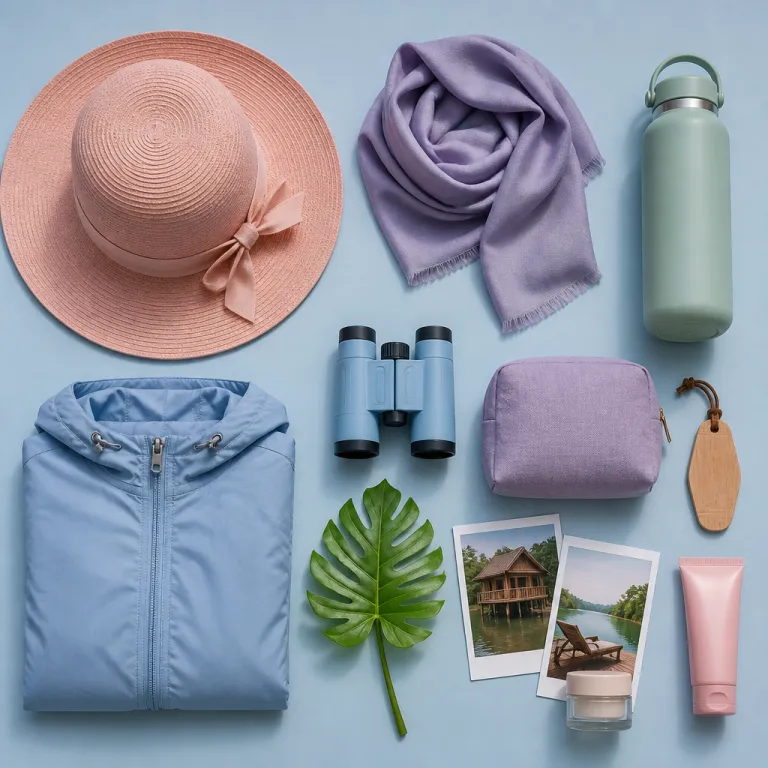
Packing light, quick drying clothing, a good insect repellent, and waterproof layers is essential in any season. Closed shoes for forest walks, a wide brimmed hat, and a reusable water bottle help you stay comfortable during tours. Many luxury lodges provide rubber boots, ponchos, and filtered water, so you can keep your own luggage focused on breathable fabrics and personal items.
Can I visit the Amazon rainforest year round ?
The Amazon is a year round destination, with lodges and cruises operating in both high water and low water periods. Each time of year offers distinct advantages, from flooded forest exploration in the wet season to expanded trail access and beach picnics in the dry season. Rather than seeking a single best time, match your preferred activities and comfort level with the seasonal patterns of your chosen region.