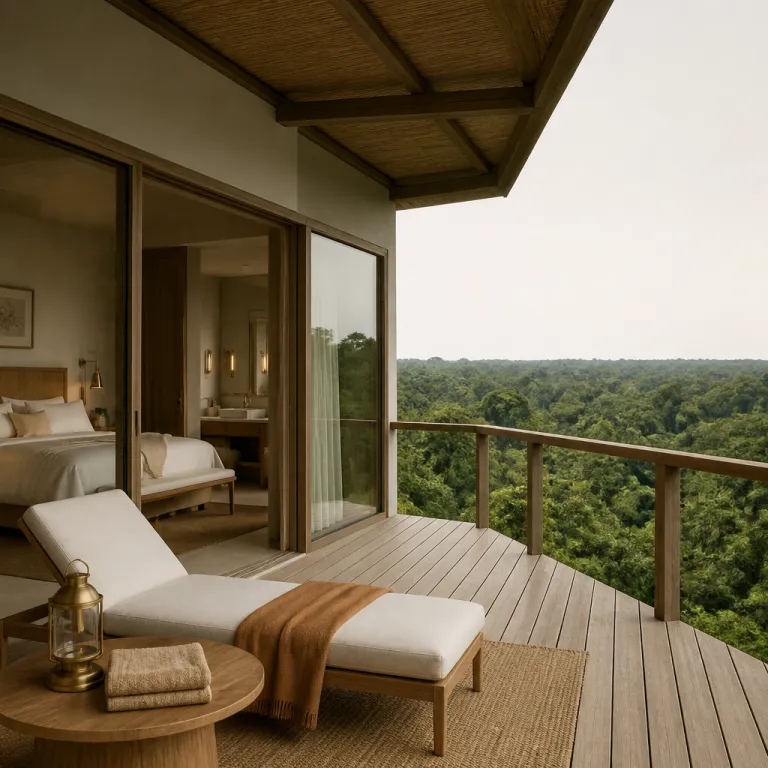
Madidi National Park as a luxury rainforest destination
Madidi National Park in Bolivia is one of the most biodiverse protected areas on Earth. This vast natural area covers about 18 960 square kilometres and stretches from high Andean peaks down into dense jungle and lowland Amazon rainforest. For travellers seeking premium accommodation, the park offers rare access to remote wildlife with the comfort of curated service and refined lodges.
The gateway town of Rurrenabaque sits on the Beni River and serves as the main access point for visiting Madidi in style. From here, private boats glide along the river into the heart of Madidi National Park, where carefully designed eco lodge properties blend discreetly with the surrounding rainforest. Luxury travellers can expect spacious suites, attentive management, and tailored eco tours that respect both conservation goals and the needs of indigenous communities.
Madidi National Park was created in 1995 as a national project to protect species and support local people, and that legacy shapes every serious jungle ecolodge operating here. The governing body SERNAP, the National Service of Protected Areas, oversees integrated management of this national park and neighbouring protected areas in Bolivia. Conservation organisations such as the Wildlife Conservation Society highlight Madidi as one of the world’s most species rich protected areas, with ongoing research confirming its exceptional biodiversity through long term monitoring and peer reviewed reports.
Choosing the right luxury lodge in the Madidi rainforest
Selecting a lodge in Madidi National Park is the most important decision for a premium stay. In this remote area, the difference between a basic jungle camp and a high end eco lodge is significant for comfort, safety, and access to wildlife. A specialised hotel guide for the Amazon rainforest can help you understand what most booking searches will not tell you about choosing a lodge, and a detailed resource is available through this expert hotel guide for Amazon rainforest lodges.
In the Bolivia Madidi region, serious properties emphasise conservation, low impact construction, and close collaboration with indigenous communities. Look for a jungle ecolodge or eco lodge that clearly explains its integrated management approach, its role in the wider Madidi project, and how revenue is shared with local indigenous communities. Many of the best lodges are accessible only by river, so private boat transfers along the pink river like channels of the Beni or Tuichi add both exclusivity and a gentle introduction to the surrounding wildlife.
Luxury travellers should also examine how each lodge handles climate change resilience, water treatment, and waste management in this sensitive natural area. Top level properties in Madidi National Park will offer small group eco tours, expert naturalist guides, and flexible itineraries that adapt to the dry season and wetter months. When comparing options, pay attention to guest to guide ratios, the quality of boats used on each river tour, and whether the lodge has long term agreements with SERNAP and recognised conservation organisations, as these formal partnerships usually indicate verifiable conservation commitments.
When to visit Madidi National Park for a premium stay
Timing your visit to Madidi National Park can transform a good trip into an exceptional one. The dry season, which usually runs from roughly May to October, offers clearer trails, fewer mosquitoes, and more predictable river levels for comfortable boat transfers. Luxury travellers often prefer this period because river journeys are smoother and wildlife viewing along the Amazon rainforest edges can be more reliable.
However, the transition months on either side of the dry season can be equally rewarding for visiting Madidi in a more intimate way. During these shoulder periods, the jungle is lush, the river dolphins in some pink river stretches may be more active, and lodges can feel quieter and more exclusive. For a deeper planning overview, a dedicated guide on choosing the best time to visit the Amazon for a luxury rainforest stay is available through this detailed resource on the best time to visit the Amazon for luxury.
Climate change is already influencing rainfall patterns in Bolivia and across the wider Amazon area, so flexibility is essential. High end lodges in the Bolivia Madidi region now design their management plans to cope with more variable river levels and more intense storms. When booking, ask how the lodge adapts itineraries in different seasons, how often weather data are retrieved for safety decisions, and whether alternative activities are offered if a river tour must be postponed or replaced with a forest walk or cultural visit.
From Rurrenabaque to the heart of the Madidi jungle
Most luxury journeys into Madidi National Park begin in Rurrenabaque, a small town in northern La Paz department. From here, guests board long river boats that travel upstream into the park, passing from open river scenery into dense jungle and quieter side channels. This first river tour is often where travellers see their initial wildlife, including macaws, capybaras, and sometimes the elusive river dolphins that favour certain pink river sections.
As the boat enters the official boundaries of the national park, guides explain how this protected area forms part of a larger mosaic of conservation zones in Bolivia. The integrated management of these protected areas aims to balance tourism, indigenous livelihoods, and the long term conservation of species that live from the high Andes down to the lowland Amazon rainforest. Many itineraries include stops at community run projects where indigenous families share how they participate in the Madidi project and related conservation initiatives, often describing in their own words how tourism income supports schooling and local health posts.
Once at the lodge, days are structured around small group eco tours that explore different habitats within the natural area. Morning walks focus on bird species in river edge forest, while night excursions reveal frogs, insects, and nocturnal mammals deeper in the jungle. Premium lodges often offer private guides for guests who want a more flexible pace, and some arrange special photographic tours that maximise time in the field while respecting wildlife and park regulations.
Indigenous communities and community based luxury in Madidi
One of the defining features of Madidi National Park is the presence and leadership of indigenous communities within and around the park. Groups such as the Tacana and the community of San José de Uchupiamonas have been central to the development of community based tourism and high quality jungle ecolodge projects. When you stay at a lodge owned or co managed by indigenous communities, your visit directly supports local education, health, and conservation work.
The Mashaquipe Eco initiative near Rurrenabaque is an example of how community members have created eco tours that respect traditional knowledge and modern conservation science. In the upper Tuichi River region, families from San José de Uchupiamonas have been involved in the famous Madidi project that combined research on species with sustainable tourism development. These community led projects show how integrated management of a national park can align guest comfort, wildlife protection, and long term economic stability.
Luxury travellers should ask how staff are recruited, trained, and promoted within each lodge, and whether indigenous languages and customs are visible in daily operations. A genuine eco lodge in Bolivia Madidi will highlight local cuisine, storytelling, and guiding, rather than importing a generic international resort model. When management is transparent about community partnerships and conservation contributions, you can be confident that your stay in this natural area supports both people and wildlife.
Designing a high end Madidi itinerary with conservation in mind
A refined itinerary in Madidi National Park balances comfort, wildlife immersion, and meaningful contributions to conservation. Many travellers choose to combine several nights in a river side lodge with a shorter stay in a more remote jungle ecolodge deeper inside the park, which allows access to different habitats and species. This layered approach also spreads tourism benefits across multiple indigenous communities and projects linked to the wider Madidi project.
When planning, consider at least four to six nights in the Bolivia Madidi region to justify the travel time from La Paz and Rurrenabaque. Longer stays reduce the environmental cost per day, give you more chances to see rare wildlife, and support stable employment for lodge staff and guides. For those interested in river culture beyond the national park, an insightful article on the Amazon festival that reveals more about river culture than any lodge itinerary can be found in this piece on Amazon river culture and festivals.
Responsible luxury in this Amazon rainforest area also means asking how your lodge measures its impact and adapts to climate change. Serious operators will share data on energy use, waste reduction, and contributions to park fees that support SERNAP and the National Service of Protected Areas. By choosing lodges that align with strong conservation management and by supporting eco tours run by indigenous communities, your stay in Madidi National Park becomes part of a long term effort to protect this extraordinary corner of Bolivia.
Key figures for Madidi National Park and luxury stays
- Madidi National Park covers approximately 18 960 square kilometres, making it one of the largest protected areas in Bolivia and allowing lodges to operate with generous space between properties for a more exclusive feel (data from the National Service of Protected Areas and international conservation assessments).
- Scientists have recorded more than 8 000 plant species in Madidi, which means guests staying at a single eco lodge can walk through several distinct forest types in one day, from river edge woodland to dense upland jungle (biodiversity data compiled by the Wildlife Conservation Society and partner researchers).
- Bird surveys have identified around 1 250 bird species within the park, so a well planned tour from Rurrenabaque into the core of the park can easily yield several hundred sightings during a week long stay (figures based on long term ornithological monitoring projects).
- The wider Madidi project and related conservation initiatives have helped establish a network of protected areas that together safeguard a significant portion of the Bolivian Amazon rainforest, giving luxury travellers confidence that their visit supports a coherent conservation strategy rather than isolated efforts (information from SERNAP and partner organisations).
FAQ about Madidi National Park luxury stays
What is Madidi National Park and where is it located ?
Madidi National Park is a protected natural area in northern Bolivia, managed by the National Service of Protected Areas. It lies in the upper Amazon rainforest basin, accessible mainly via the town of Rurrenabaque on the Beni River. The park is renowned for its exceptional biodiversity and for community based eco lodge projects that welcome visitors.
How large is Madidi National Park and what does that mean for travellers ?
The park covers about 18 960 square kilometres, extending from high Andean zones down to lowland jungle. For travellers, this size means a wide range of habitats, from cloud forest to river floodplains, can be visited during a single itinerary. It also allows lodges to remain well spaced, which enhances the sense of remoteness and exclusivity.
What kind of wildlife can I expect to see during a luxury stay ?
Guests in Madidi can encounter an impressive variety of species, including monkeys, macaws, toucans, caimans, and many smaller rainforest animals. Birdwatchers are particularly rewarded, as around 1 250 bird species have been recorded in the park. With patient guiding, some visitors also glimpse rarer wildlife such as tapirs, giant otters, or river dolphins in certain pink river stretches.
How do I reach Madidi National Park for a premium lodge experience ?
Most travellers fly from La Paz to Rurrenabaque, then transfer by river boat to their chosen lodge inside the park. High end properties usually arrange private transfers, including airport pickup, luggage handling, and comfortable boats with safety equipment. The journey along the river is part of the experience, offering early views of the jungle and its wildlife.
How does my stay support conservation and indigenous communities ?
When you book a reputable eco lodge in the Bolivia Madidi region, part of your payment goes to park fees that support SERNAP and the management of protected areas. Many lodges are owned or co managed by indigenous communities, so revenue also funds local schools, health posts, and conservation projects. By choosing operators with clear community agreements and transparent conservation commitments, your visit directly contributes to the long term protection of Madidi National Park.