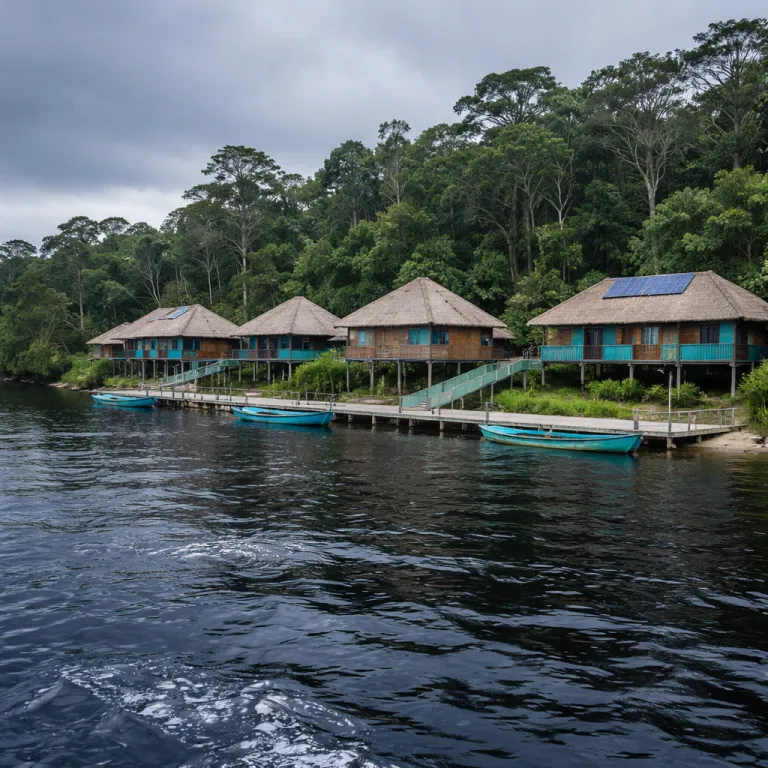
From village visit to indigenous-owned lodge near Manaus
In the state of Amazonas, the idea of staying at an indigenous-run jungle lodge near Manaus now signals something far deeper than a quick village photo stop. Around the city, a new generation of indigenous leaders has shifted from being a tour add-on to running their own community-based accommodation, controlling how guests move through the forest and how income flows back into the village. This change matters if you want an authentic experience rather than a staged performance.
Community-based properties around Manaus usually sit on or near ancestral land along the river, and the lodge located there is often built with traditional materials but upgraded with solar power, filtered water and proper bedding for several nights. The Amazon jungle still wraps around you, yet the hospitality is operator grade, with trained guides, clear safety briefings and defined day package options that solo travelers can actually book online. When you read about indigenous eco lodges near Manaus in marketing copy, ask who owns the land, who signs the staff payroll and who decides which rituals are shared.
There is a structural difference between a community-led jungle lodge and a commercial jungle hotel that buses guests in for a one hour village tour. In the first case, the indigenous community council or association sets the rules, designs the tour program and negotiates every package agreement with outside agencies. In the second, the village is often a stop on a longer Amazon rainforest cruise, with little say over guest numbers, nights scheduling or how revenue is divided. Studies on community tourism in the Brazilian Amazon, including reports by the Mamirauá Institute and state tourism bodies, indicate that well-designed projects can keep a majority of net tourism income in local hands, compared with a small appearance fee under older excursion models.
Operator-grade names to know around Manaus and the Rio Negro
Several established properties near Manaus show how indigenous-focused Amazon jungle lodges can reach international standards without losing cultural control. Amazon Village Jungle Lodge, one of the earliest jungle lodge pioneers near the city, sits upriver from the famous meeting of the waters where the dark Rio Negro and sandy Solimões flow side by side without mixing. Its Amazon lodge model relies on local guides from nearby communities, who lead every jungle tour and interpret the rainforest through their own stories; the lodge highlights this community connection in its own materials and long-standing partnerships.
Farther along the Rio Negro, Anavilhanas Jungle Lodge operates as an eco-luxury base for exploring the archipelago, while working closely with indigenous and ribeirinho families for guiding, crafts and supply chains. The lodge’s published sustainability commitments emphasize local employment, low-impact construction and support for protected areas, which is why the carbon debate around flying into the heart of the Amazon becomes more nuanced here. Analyses by Brazilian conservation NGOs and the Mamirauá Sustainable Development Institute show that well-managed lodges can support conservation and community income by creating an economic argument for keeping forest standing. Uakari Floating Lodge, in the Mamirauá Sustainable Development Reserve, goes even further by floating with the river level, and its official reports document how tourism revenue helps fund research and community projects in surrounding riverside settlements.
These operators are not fully indigenous owned, yet they illustrate the operator-grade benchmark that new indigenous community lodges near Manaus now aim to match. Amazon Emotions Lodge and Tucan Amazon Lodge, both in the wider state Amazonas region, rely heavily on local indigenous expertise for guiding, storytelling and forest skills, and their own trip notes highlight named guides and family histories. One Ticuna coordinator described their approach simply in a regional workshop summary: “We decided that at least half of every tour payment must return to the community fund, so the forest is worth more standing than cut.” When a lodge offers a night walk, a piranha fishing outing or a dawn canoe ride, ask whether the indigenous community is a shareholder, a contracted partner or simply a cultural extra.
What a three-night indigenous stay actually looks like
Plan three or four nights at an indigenous-run property near Manaus and your rhythm will feel very different from a standard hotel Manaus stay. Days start early, with mist over the river and a quiet paddle into flooded forest or along the main channel, while your local guide points out pink dolphins, macaws and the medicinal trees that anchor daily life in the village. This is the Amazon rainforest as lived landscape, not just a backdrop for selfies.
Mid-morning, you might walk to the community cassava field, learning how families turn bitter roots into farinha and tapioca over a long, smoky process that fills the jungle air. Afternoons can bring a slow Amazon jungle hike, a visit to the school or a workshop on basket weaving, followed by piranha fishing from a wooden canoe as the light fades and the river turns mirror smooth. After dark, a night tour with community-trained guides reveals caimans, frogs and the eerie soundscape that makes many guests say the forest itself is the most amazing storyteller.
Over several days and nights, the experience becomes less about ticking off animals and more about understanding how an indigenous community organizes time, work and ritual. You will probably sleep in simple but comfortable rooms, with mosquito nets, fans and cold showers rather than polished marble, yet the sense of unique experience is stronger than in many urban luxury hotels. For travelers who want to compare different styles of immersion across the basin, a detailed guide to immersive luxury in the heart of the Amazon at Cristalino Lodge in another region of Brazil shows how high-end design can still sit lightly in the forest.
Cultural protocols, expectations and how to book as a solo explorer
Staying at indigenous jungle lodges near Manaus means accepting that you are entering someone else’s home, not just checking into a jungle hotel with a themed restaurant. Cultural protocols start before you arrive, because the community will often ask for dietary restrictions, medical conditions and photography preferences as part of the booking process. Some solo travelers find this level of questioning intense, yet it is part of how the community manages risk and respect.
Once in the village, you will be expected to dress modestly, avoid wandering into private areas without a guide and ask before photographing ceremonies or elders. Alcohol rules vary by community, and many indigenous Amazon stays near Manaus either ban it outright or limit consumption to certain spaces and hours, which can surprise guests used to resort-style bars. Language coverage is improving, with more English-speaking guides trained through partnerships with NGOs and tourism schools in Manaus, but you should still expect that some explanations in the Amazon jungle will flow first in Portuguese or a local language, then be translated.
For solo explorers, the key is to clarify single-occupancy availability, transfer logistics from hotel Manaus to the lodge and whether you will join a mixed group or have private guiding. Ask in advance how many nights are recommended for their standard day package, and whether the best time to visit for wildlife matches the best time for cultural events such as festivals or planting seasons. A practical approach is to email the lodge directly with your dates, language needs and dietary notes, then request a sample three-night itinerary with prices. If you are combining Brazil with other river-based stays, a specialist guide to Amazon luxury stays by the river in Iquitos, Peru, can help you compare how different countries handle indigenous partnerships and guest expectations.
Choosing the right indigenous lodge structure and season
When comparing indigenous Amazon rainforest lodges near Manaus, start by mapping where each lodge is located along the river system and how that shapes your experience. Properties near the meeting of the waters offer easier access from Manaus and more flexible day package options, while those deeper in the heart of the Amazon demand longer boat rides but reward you with quieter rainforest and stronger community immersion. A lodge located near a larger town might feel less remote yet can provide better medical backup and more stable communications.
The best time to visit most lodges near Manaus is during the drier months, when water levels drop, trails open and mosquitoes thin out. As one regional briefing from Amazonas tourism authorities puts it, “The dry season, from June to November, offers easier access and fewer mosquitoes.” That said, high-water months bring canoe access into flooded forest, more dramatic Amazon jungle reflections and a different kind of unique experience, so serious travelers often plan separate stays in both seasons.
Look closely at how each lodge offers and structures its package options, from two-day quick hits to five days and nights of deeper immersion with extra river excursions. Some indigenous communities now run their own booking desks in Manaus, while others partner with specialist agencies that understand the state Amazonas context and can align your Amazon rainforest stay with flights, city hotels and onward travel in Brazil. Properties such as lodge Juma style river camps or the more remote juma Amazon style projects show how a carefully designed jungle lodge can balance comfort with cultural integrity, and guests who value that balance often leave saying the stay is highly recommended for anyone serious about learning from the forest.
FAQ
What is the best time to stay at indigenous lodges near Manaus ?
For most travelers, the best time to stay at indigenous Amazon lodges near Manaus is during the drier months, when river levels are lower and access is easier. As regional tourism briefings summarize, “The dry season, from June to November, offers easier access and fewer mosquitoes.” Outside these months, expect higher water, more canoe-based activities and a different but equally rich rainforest experience.
How many nights should I plan at an indigenous lodge ?
A minimum of two nights gives you one full day in the rainforest, but three or four nights allow you to join a wider range of activities and settle into community rhythm. With three nights, you can usually combine cassava processing, piranha fishing, night walks and village time without rushing. Longer stays also spread the carbon cost of reaching the lodge over more meaningful days.
Are indigenous Amazon lodges near Manaus suitable for solo travelers ?
Yes, many indigenous Amazon lodges near Manaus welcome solo travelers and offer single-occupancy rooms or shared cabins with clear pricing. You will typically join small group excursions, which keeps costs reasonable while still allowing for personal attention from guides. When you book, confirm transfer arrangements from Manaus and ask about language support if you do not speak Portuguese.
What wildlife can I expect to see around these lodges ?
Common sightings around indigenous Amazon lodges near Manaus include monkeys, sloths, caimans and a wide range of bird species such as macaws and kingfishers. On river outings, you may see pink and grey dolphins, while night walks often reveal frogs, insects and the eye shine of nocturnal animals. Wildlife is never guaranteed, but indigenous guides usually know the best spots and times for each species.
How do community-owned lodges benefit indigenous villages ?
Community-owned lodges channel a significant share of revenue directly into village budgets, funding health, education and infrastructure projects decided by local councils. They also create year-round jobs in guiding, cooking, maintenance and management, which helps reduce pressure to log or sell land. For guests, this structure means your stay supports long-term stewardship of the rainforest rather than a one-off performance.