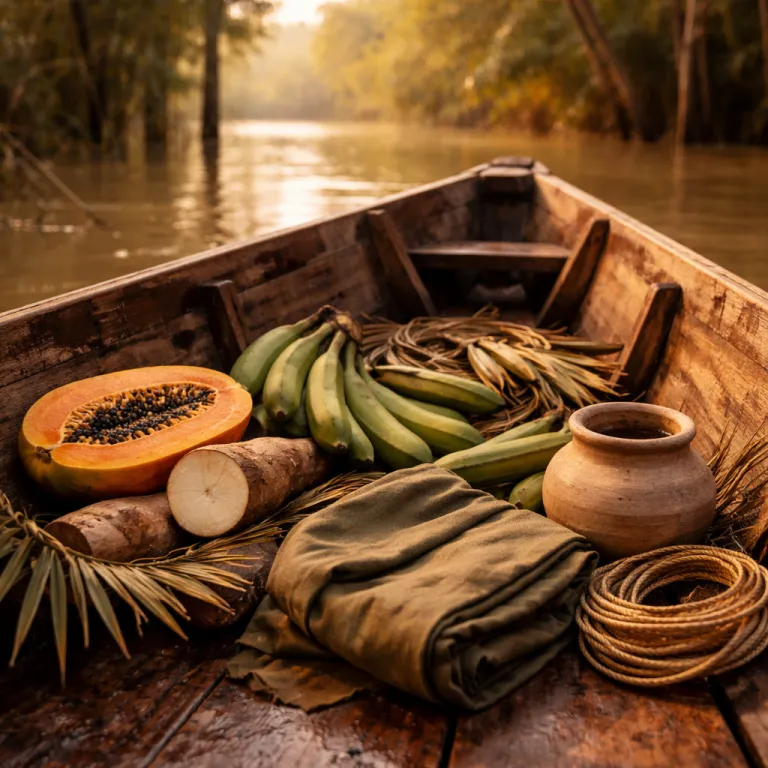
High water season in the Amazon rainforest for families
For a family trip during the Amazon’s high water season, timing shapes everything. When river levels rise by up to 7 metres in some central Amazon stretches and the jungle floor sinks under water, the forest becomes a labyrinth of channels that experienced boat pilots quietly learn to read. This is often the best moment for families who want to trade dusty dry season trails for silent canoe routes through flooded forest, while still returning to cool suites and polished service at night.
High water season in the Amazon usually runs from about March to July, though each river and tributary has its own rhythm. Long term hydrology data from agencies such as Brazil’s ANA (Agência Nacional de Águas e Saneamento Básico) and Peru’s SENAMHI (Servicio Nacional de Meteorología e Hidrología del Perú) report average rainfall around 200 millimetres per month in this period in many lowland zones, which means the main river and its blackwater tributaries swell, and the igapó flooded rainforest opens to small boats. For a family planning a trip, that wet season pattern matters more than any calendar, because it dictates which wildlife you see, how you move, and which premium lodges truly understand the dynamics of rising water and publish transparent safety information.
Operators based around Manaus in Brazil, in the Peruvian Amazon near Puerto Maldonado, and in quieter corners of the jungle all adjust their logistics to the high water. Well regarded companies such as Rainforest Expeditions in Peru or Amazon Clipper Cruises near Manaus work closely with Local Indigenous Guides, who know how the forest changes from dry season to rainy season and then into low water months. They are the ones who decide the best time to leave the lodge, which river channels are safe for children, and how to balance a family’s appetite for adventure with the reality of wet trails and shifting river levels, often following written operating procedures and lodge specific child safety guidelines.
Parents often ask whether it is safe to visit Amazon regions during the wet season with younger children. Guidance from experienced operators and safety briefings at lodges such as Cristalino Lodge or Refugio Amazonas are consistent: “Is it safe to visit during high water season?” and the answer is: “Yes, with proper precautions and guided tours.” That is the baseline, and luxury properties build on it with better boats, more attentive safety protocols, and staff trained to handle both the big river and the expectations of demanding families, including clear age limits for boat trips and mandatory life jacket use.
Canoeing the igapó with children during high water
Sliding a canoe into the igapó at high water is the moment a family really understands why they came. The forest that looked dense and impenetrable from the lodge deck becomes a cathedral of trunks and reflections, with water lapping at buttress roots and the calls of monkeys echoing above. For children, this is the experience that turns the abstract idea of the Amazon rainforest into something they can feel in their muscles and remember for years.
Luxury lodges that specialise in family travel treat canoeing as both an adventure and a carefully managed operation. Motorised skiffs usually handle the longer stretches of river, then guides transfer families into stable, wide canoes sized for two adults and two children, with life jackets correctly fitted before anyone steps aboard. Age suitability varies by operator, but many jungle lodges accept children from about six years for calm water canoeing, while younger siblings may stay on the main boat with another guide during more technical sections; some Peruvian operators set a minimum age of five to six for short lagoon paddles, while Brazilian river cruises may require eight years for longer night outings.
During high water, the physical demands are surprisingly gentle for most families, because the canoe glides over flooded forest that would be steep and muddy in the dry season. Parents paddle lightly while a naturalist steers, pointing out wildlife that has shifted from the forest floor into the canopy, from sloths and squirrel monkeys to bright macaws. The wet season also brings more chances to see pink river dolphins in the quieter back channels, a highlight that many children rank as the best part of the trip.
In the Peruvian Amazon, especially around Puerto Maldonado and the Madre de Dios river, several high end lodges now keep a small fleet of kid sized canoes and lightweight paddles. That detail matters more than any spa menu, because it lets children participate rather than just sit as passengers during a river excursion. Families combining an Inca Trail trek or time in Cusco and Machu Picchu with a few rainforest days often comment that the calm, shaded canoe outings are the perfect counterpoint to the altitude and stone of the Andes, especially when planned for the cooler early morning hours.
For those structuring a longer Peru itinerary, pairing refined rainforest stays with Andean escapes is straightforward when you work with properties used to families. A number of lodges coordinate flights from Cusco or Puerto Maldonado and can advise on the best time of year to shift from the mountains to the jungle, so that high water coincides with your children’s school holidays. For more detail on how premium Peruvian Amazon lodges dovetail with Machu Picchu and the Inca Trail, see this guide to refined rainforest stays and Andean escapes, which focuses on families who want both culture and canopy and prefer clear sample daily schedules.
Wildlife, trail closures and how lodges adapt for families
High water reshapes wildlife viewing for any family, shifting the focus from tracks in the mud to silhouettes in the trees. During the dry season, many lodges rely on long forest walks to find terrestrial animals, but in the rainy season and peak wet months those same paths can sit under a metre of water. Rather than being a loss, this change pushes guides to use boats and canopy platforms more creatively, which often suits children better than long, hot hikes.
From March through the middle of the year, expect more arboreal wildlife and fewer big cat tracks, because jaguars and tapirs retreat to higher ground when the water peaks. Birdlife, on the other hand, can feel almost exaggerated, with herons, kingfishers and macaws concentrated along the shrinking strips of firm land and the edges of the main river. Night excursions by boat replace some of the classic dry season night walks, with spotlights sweeping for caimans, fishing bats and the red eye shine of hidden creatures that children will talk about long after the trip ends.
Trail closures are the practical side of this beauty, and families need to budget around them when they plan the best time to visit different regions. Many lodges publish seasonal activity grids, showing which jungle circuits are accessible at different river levels and which months are better for beach picnics versus canoe safaris. When you book, ask specifically how the property handles high water, low water and the shoulder periods, because the most family friendly operations design parallel programmes so that no one feels short changed by the rain and you can see in advance which activities run each month.
Architecturally, the smartest luxury lodges in the rainforest respond to the rainy season with raised walkways, stilted suites and flexible docking points for boats. Ground level rooms that feel charming in the dry season can become impractical when the wet months push water under the floorboards, while elevated structures keep feet dry and wildlife closer to eye level. Some properties even adjust their naturalist briefing formats during the highest water months, using shorter, more visual talks that keep younger guests engaged before they head out on the river.
Across Brazil, Peru and Colombia, the rise of thoughtful eco luxury has coincided with a broader national push toward sustainable travel and better protected rainforest. Brazil’s recent environmental policy shifts, and initiatives highlighted around events such as Earth Day, have nudged high end lodges to prove that their operations respect both river levels and local communities. For a broader look at how this sustainability lens is reshaping premium properties beyond the jungle, the feature on Brazil’s evolving ecotourism map offers useful context for families who care where their travel money flows and want evidence of certified conservation partnerships.
Choosing the right months, lodges and room types
For families travelling in high water season, the calendar question is not simply when school holidays fall, but which weeks of the rising and receding waters feel most comfortable. In many parts of the basin, December marks the start of rising water, March and April bring the highest river levels, and May to July offers a gentler transition toward low water. If you want the full flooded forest experience without the stickiest heat, late May and June are often the best time to visit with children.
Luxury lodges that handle this period well tend to share a few traits that matter more than thread counts. They offer flexible daily schedules so that families can head out at the coolest time of day, usually very early morning and late afternoon, leaving the hottest hours for pool time or shaded hammocks. They also maintain a mixed fleet of motorboats and canoes, so that when rain bursts hit, you can retreat quickly to the main vessel and still feel that the day’s explorations delivered real wildlife encounters, with a typical day including a dawn boat ride, a mid morning canopy platform visit and an evening river safari.
Room configuration deserves as much attention as any excursion list when you book a stay in the jungle. Raised suites connected by covered walkways keep children above any standing water and away from the insects that breed in puddles during the rainy season, while interconnecting rooms allow parents to keep younger travellers close without sacrificing privacy. Ask whether the lodge can guarantee adjacent rooms on the same level, because some families find steep external stairs tiring after long days on the river.
Booking platforms that specialise in the Amazon now curate properties with a clear eye on family needs, from kid friendly menus to guides who know how to pace explanations about complex ecosystems. On stay-in-amazon-rainforest.com, for example, you will find a dedicated overview of high end hotel deals, luxury lodge retreats and unique stays that filters for both comfort and access to strong naturalist teams. Use those filters to cross check whether a lodge operates year round, how it adapts between dry season and wet season, and whether it explicitly welcomes families during the highest water months.
Finally, remember that the Amazon is not a single uniform rainforest, but a mosaic of rivers, cultures and microclimates stretching across several countries. A family who has already walked the stones of Machu Picchu or trekked a section of the Inca Trail in Peru will experience the Peruvian lowlands differently from a first time visitor flying straight into Manaus. The key is to align your chosen lodge, your preferred months and your children’s ages with the specific character of each river, so that high water becomes an ally in your travel experience rather than a complication.
FAQ about high water season family stays in the Amazon
Is it safe to bring children to the Amazon during high water season ?
Visiting the rainforest with children during high water season is considered safe when you travel with reputable operators and stay at well managed lodges. Boats must carry life jackets in all sizes, guides should be certified, and itineraries need built in flexibility for sudden rain. Always confirm age limits for specific excursions, because some canoe trips or longer river journeys may not be suitable for very young children, and ask to see written safety protocols or emergency response plans.
What wildlife will a family see in high water compared with dry season ?
During high water, wildlife viewing shifts from the forest floor to the canopy and river margins. Families are more likely to see monkeys, sloths, birds and pink river dolphins, while tracks of larger terrestrial mammals are less common than in the dry season. The experience becomes about watching life unfold above and around the canoe, rather than scanning muddy trails for footprints, and many lodges complement this with canopy towers or floating platforms.
How do trail closures affect a family itinerary in the flooded months ?
When water covers low lying trails, lodges replace some walks with boat based excursions and canopy tower visits. This can actually suit families, because it reduces long, hot hikes and increases shaded, seated wildlife watching from boats. Before booking, ask each lodge for a month by month activity chart so you understand exactly how the programme changes with river levels and which outings are guaranteed to run in peak rainy months.
What is the best time of year for a family that wants both beaches and flooded forest ?
Families who want sandbank picnics and the drama of flooded forest should aim for the shoulder between high water and low water, often around late May or June in many regions. At this time, some river beaches begin to reappear while igapó channels remain navigable by canoe. This balance offers variety in a single trip, especially when combined with a lodge that operates year round and can adjust daily plans.
How should we choose between Brazilian and Peruvian Amazon lodges for high water ?
Brazilian lodges near Manaus offer easier access to the main river and large scale flooded forests, while Peruvian properties around Puerto Maldonado often pair neatly with time in the Andes and Machu Picchu. For a first high water season family journey, many travellers choose the region that connects best with their international flights and broader Peru or Brazil itinerary. In both cases, prioritise lodges with strong safety records, experienced Local Indigenous Guides and clear communication about how they adapt to each season, including published age recommendations for family excursions.