Amazon lodge cuisine identity luxury: why the river must lead
Luxury in the Amazon is not about marble bathrooms; it is about a cuisine that treats the river as its central narrative thread. When a property claims an Amazon lodge culinary identity yet opens dinner with a Caesar salad and grilled chicken, it quietly tells you it does not trust its own story, and that lack of confidence seeps into every dining experience and every night stay. True accommodation luxury in this biome means accepting that comfort comes from context, from hearing wildlife in the dark while tasting pirarucu grilled over wood smoke and citrusy river herbs rather than from imported steak flown in from distant South American capitals.
The lodges that understand this have built a brand around the river itself, shaping their marketing, their activities, and even their premium pricing around a coherent culinary philosophy. They work with Amazonian lodge chefs and local fishermen as core actors, not as decorative extras, and they treat gourmet cuisine as a way to translate wildlife, forest and water into food rather than as a hotel amenity to tick off beside premium amenities and air conditioning. In these luxury lodges, the chef is as central as the expert guides and naturalist guides, and the kitchen briefing can feel as detailed as the safety talk before a night wildlife viewing excursion.
For a business leisure traveler used to global hotel brands, this can be disorienting at first. You arrive from São Paulo or Bogotá expecting a familiar range of international dishes, only to find manioc in several textures, river fish in multiple preparations, and desserts built around fruits you have never seen, which is exactly how a strong Amazon lodge culinary identity should feel. The best luxury lodge teams know that this slight discomfort is part of the adventure, and they design dining experiences that move you gently but firmly away from budget friendly comfort food toward a premium, place anchored interpretation of gourmet Amazon cooking.
How committed lodges turn the river into a gourmet dining experience
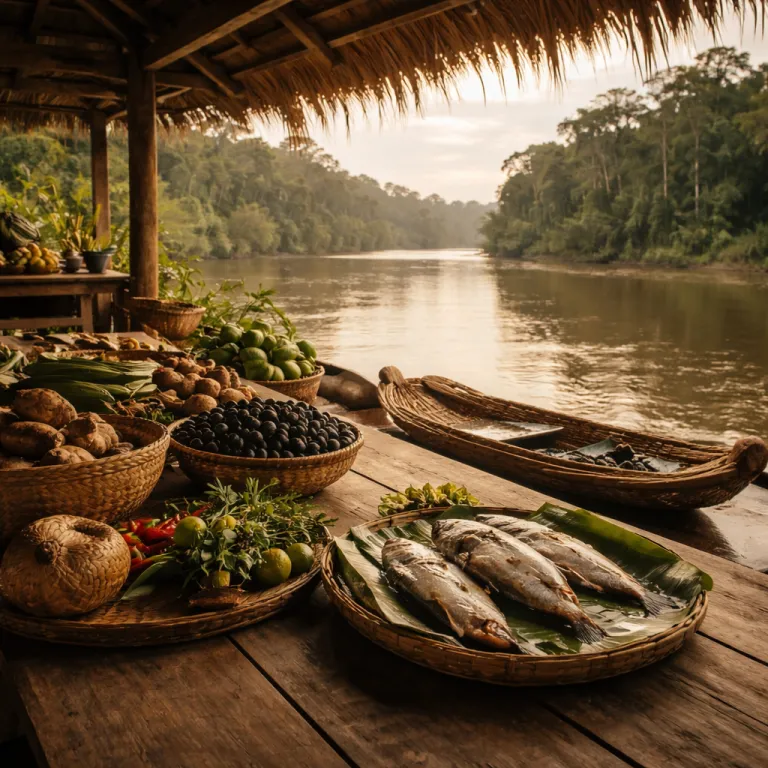
Across the Brazilian Amazon, a small but growing group of luxury lodges has stopped apologizing for the river and started cooking it with conviction. They lean into gourmet cuisine built on local ingredients such as pirarucu, tambaqui, manioc and cupuaçu, and they use traditional cooking techniques like wood fired stoves and clay pots alongside modern plating to deliver dining experiences that feel both rooted and refined. This is where an authentic Amazon lodge cuisine identity becomes tangible, because the food, the wildlife outside and the expert naturalists guiding your tours all speak the same language.
Menus at these properties read like maps of the surrounding waterways rather than copies of mid market hotel buffets. A typical dining experience might start with a lightly smoked river fish crudo, move to slow braised pirarucu with fermented manioc and forest peppers, and finish with a sorbet of regional fruit, while a chef or one of the naturalist guides explains how local ingredients shift with the flood pulse and why sustainable sourcing matters for long term growth of both wildlife and community economies. At Anavilhanas Jungle Lodge, for example, a tasting menu might pair pirarucu with tucupi and jambu, while at Mirante do Gavião Amazon Lodge the kitchen highlights seasonal cupuaçu desserts; in both cases, the river is the protagonist rather than a backdrop.
Guests notice the quality difference immediately, even if they cannot name every herb or species. The range of textures and flavors is far greater than the safe international menus that still dominate some lodges, and the overall experience feels more coherent, from morning wildlife viewing with expert guides to evening tasting menus that echo what you saw on the riverbank. As one chef at a high end Rio Negro property puts it, “If dinner could be served in any city hotel, we have failed the forest.” For travelers comparing options on a luxury and premium hotel booking website in Amazon Rainforest, this is the quiet but decisive line between a generic premium stay and a luxury lodge that truly earns its premium pricing through a distinctive, sense driven narrative.
Children, long stays and bridge cuisine: making room without diluting identity
The strongest argument for hedging on menus is usually framed around children, long stays and dietary needs, and it deserves a serious response. No one is suggesting that a six year old must eat pirarucu three times a day, or that a guest on a ten night stay should never see a familiar dish, and a credible Amazon lodge cuisine identity luxury strategy acknowledges these realities without surrendering its core. The lodges that handle this best create parallel tracks, offering a thoughtful children’s menu, clear gluten free options and occasional non Amazonian dishes while keeping the main culinary story firmly anchored in the river.
In practice, that might mean grilled chicken appears, but as a quiet supporting actor rather than the headline, perhaps marinated with regional citrus and served alongside manioc farofa and local vegetables instead of fries. Brazilian and Peruvian classics such as feijoada or lomo saltado can function as bridge cuisine, easing guests from urban comfort toward more adventurous plates, especially on mid stay days when palate fatigue is real, yet even these dishes can be reinterpreted with local ingredients to maintain continuity. This approach respects budget considerations and varying levels of adventure among guests, while still signaling that the lodge’s brand is built on the Amazon, not on replicating a city hotel.
Dietary restrictions are another test of seriousness. A lodge that can offer a rich, plant forward tasting menu using manioc, seasonal vegetables and fruits, and clearly labeled gluten free preparations shows both culinary skill and respect for guest comfort, and it proves that premium amenities extend beyond thread count into the kitchen. When you speak with reservation teams or private guides before booking, ask how the chef handles special diets over multiple nights, because their answer will reveal whether they see food as a logistical problem or as an integral part of the wildlife focused experiences they promise.
What to ask before you book: reading a lodge menu like an itinerary
For an executive planning to bolt leisure onto a business trip, time in the Amazon is finite, so every night stay has to work hard. The same scrutiny you apply to meeting agendas and project growth forecasts should apply to menus, because Amazon lodge cuisine identity luxury is not a decorative extra, it is the organizing principle that separates a true luxury lodge from a generic property with jungle views. One precise question will usually reveal where a lodge stands: “What percentage of your menu is based on local river fish, manioc and regional fruits, and how often does it change with the seasons?”
Listen carefully to how they talk about wildlife, sourcing and collaboration. Lodges that are serious about quality will mention working with local farmers, indigenous communities and local fishermen, and they will speak confidently about farm to table practices, sustainable sourcing and the practicalities of maintaining a cold chain in remote South America, while those still hedging will default to vague phrases about international options and comfort food. When a team can tell you that the number of Amazonian fish species used in regional cuisine runs into the dozens and that a clear majority of quality lodges now serve traditional dishes as a core part of their menus, you know they are tracking the wider culinary movement and positioning their own brand within it.
As you compare lodges and tours luxury on a booking platform, read sample menus the way you would read an activity schedule. You want alignment between daytime experiences with expert naturalists or private guides and evening dining experiences, not a disconnect where wildlife viewing is hyper local but dinner feels like any mid range hotel in any capital, and you can find a deeper spa focused perspective on this alignment in our guide to elevating wellness and spa experiences in luxury Amazon properties. When the river, the forest, the activities and the food all tell the same story, you are no longer just buying accommodation luxury at premium pricing, you are investing in a coherent, memory rich journey that justifies the flight, the budget and the time away from the boardroom.
Key figures shaping amazon lodge culinary identity
- Studies of Amazonian ichthyofauna by Brazilian research institutions such as Embrapa and the Instituto Nacional de Pesquisas da Amazônia (INPA) suggest that hundreds of edible fish species are present in the basin, which means a serious lodge menu can rotate river fish for weeks without repetition when it works closely with local fishermen and follows conservation guidelines.
- Industry surveys and lodge case studies published in Brazilian tourism reports over the past decade indicate that a large majority of Amazon properties now serve at least some traditional dishes, showing that most operators acknowledge the value of local ingredients even if some still hedge with international staples.
- Farm to table and sustainable sourcing practices are increasingly common among premium lodges, as partnerships with local farmers and indigenous communities shorten the supply chain and improve food quality while supporting regional economies.
- Culinary tourism focused on gourmet cuisine in the Brazilian Amazon and wider South America has grown steadily since the early 2010s, reinforced by chef led projects such as Instituto Atá’s work on native ingredients, which strengthens the business case for lodges that invest in strong, river centered dining experiences.
Sources and further reading
- Instituto Atá – initiatives on Brazilian Amazon ingredients and culinary heritage.
- Embrapa Amazônia Ocidental – research on Amazonian agriculture and manioc production.
- Amazonian cuisine – overview of regional ingredients and dishes from recognized culinary references and chef led projects in the region.