Why “resort amazon rainforest” sets the wrong expectations for families
Type “resort amazon rainforest” into a search bar and you probably picture a pool ringed by loungers. In reality, the most rewarding luxury Amazon stays feel closer to a small research station with polished service than to a beach resort with a buffet line. For families, that mismatch between the word resort and what an Amazon lodge actually is can waste time, money and precious attention.
In the Amazon rainforest, the word resort is often a marketing shortcut rather than a promise of true luxury Amazon immersion. Properties such as Cristalino Lodge in Brazil or Inkaterra Reserva Amazónica in the Peruvian Amazon focus on guided wildlife experiences, river outings and canopy walks, not on water slides or late night entertainment. When you read the descriptions of these rainforest lodges carefully, you quickly learn that the real amenity is access to intact jungle and expert naturalist guides.
Families searching for a resort in the Amazon often expect the same rhythm as a Caribbean stay, with unstructured pool time dominating the day. The best Amazon lodges instead build your time around early morning wildlife outings, siesta hours during the hottest period and late afternoon or night tours on the river or into the jungle. If you arrive expecting a conventional resort Amazon rainforest experience, you may miss the quiet magic of watching monkeys cross a canopy bridge at dawn or listening to the forest wake up along a blackwater tributary of the Amazon River.
What a true luxury Amazon family base really offers
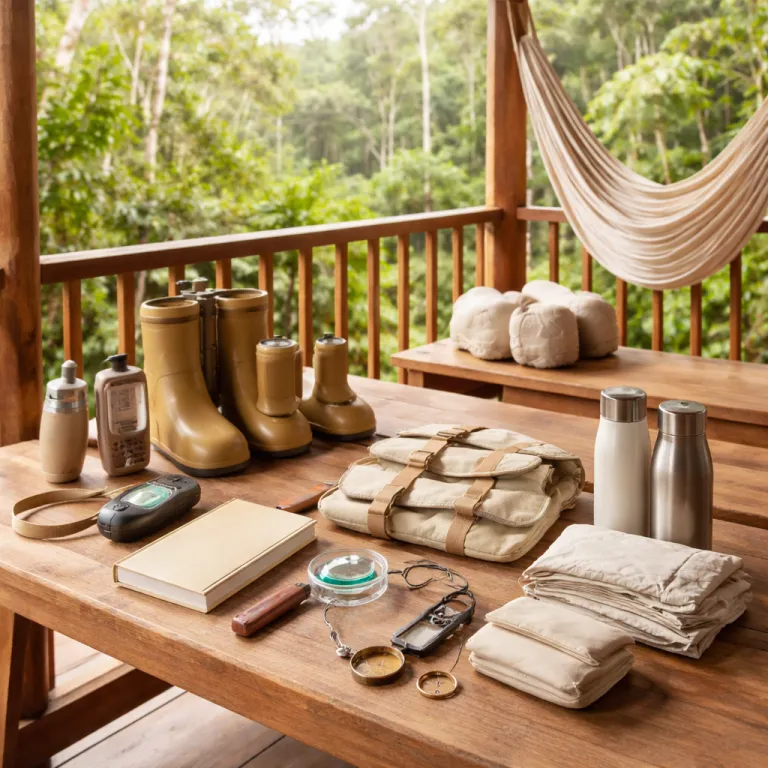
For a premium family, the right lodge will feel safe, well organized and quietly indulgent without ever insulating you from the rainforest. A serious rainforest lodge in Peru, Brazil or Ecuador usually offers screened cabanas or suites, hot showers, high quality mosquito nets and thoughtful touches such as rubber boots and ponchos for all ages. Instead of a kids club, you get child friendly naturalist guides who can turn every jungle walk into a game of tracking monkeys, frogs and leafcutter ants.
Look at Cristalino Lodge in Brazil’s southern Amazon, for example, which anchors its luxury around a private forest reserve rather than a spa complex. Days here revolve around small group tours by boat and on foot, with canopy towers that let older children learn how the rainforest layers work and why this national reserve level protection matters. Compared with more conventional jungle lodges, Cristalino offers a deeper experience of wildlife and birdlife, while still providing polished service, good food and comfortable rooms that justify its luxury Amazon positioning.
In the Peruvian Amazon, Inkaterra Reserva Amazónica near Puerto Maldonado shows how a property can feel resort like without losing its rainforest soul. Families stay in wooden cabanas, some with plunge pools, and spend time on guided tours into the Tambopata region, canopy walkways and night outings to spot caimans and nocturnal monkeys. If you are planning a broader Peru and Amazon itinerary that might include Machu Picchu and Andean cities, this kind of lodge will slot neatly into a multi stop journey, and you can map those combinations using a detailed region by region guide to where to stay in the Amazon rainforest across Brazil, Peru and Colombia on a specialist planning site.
Where the word resort does apply in the Amazon — and the trade offs
A few properties in the Amazon basin do lean into the resort label, often with larger footprints and more conventional amenities. Floating options such as Uiara Amazon Resort on the Rio Negro near Manaus, or bigger complexes close to cities, may offer pools, air conditioned rooms and a schedule of short tours that feel familiar to cruise passengers. These resort style Amazon lodges can work for families who want a gentle first taste of the jungle without long boat transfers or very early starts.
The trade off is depth of experience and intimacy with the rainforest, especially when compared with smaller jungle lodges such as Uakari Lodge in the Mamirauá Sustainable Development Reserve or Cristalino Lodge in its private reserve. At a larger resort Amazon rainforest property, you might share wildlife tours with big groups, follow fixed routes and spend more time on staged cultural shows than on quiet observation of wildlife. By contrast, a focused rainforest lodge will usually cap group sizes, tailor tours to your children’s ages and adjust plans when a guide hears howler monkeys calling or spots fresh tapir tracks.
In Peru, some travelers pair a stay at Inkaterra Reserva Amazónica or another Tambopata rainforest lodge with time at Inkaterra Hacienda Concepción, which offers a slightly more resort like feel while still prioritizing conservation. This combination can work well for families who want both structured activities and a softer landing into the Peruvian Amazon before or after high altitude days around Machu Picchu. For a broader view of how refined rainforest stays pair with Andean escapes, it is worth reading a specialist overview of Peru and Bolivia journeys that combine Amazon lodges with mountain retreats on a curated itinerary resource.
How to read lodge descriptions when you search “resort amazon rainforest”
When you scan booking sites for a resort Amazon rainforest stay, focus less on the label and more on the structure of each day. A serious lodge will describe early morning and late afternoon tours, small group sizes and specific wildlife targets such as giant river otters, macaws or monkeys, rather than generic jungle excursions. If the description leans heavily on pools, bars and evening entertainment, you are probably looking at a resort style property that treats the rainforest as a backdrop rather than the main event.
Pay attention to how a lodge talks about its location within the Amazon rainforest and any nearby national reserve or protected area. In Peru Amazon regions such as Madre de Dios and Tambopata, lodges that sit closer to the Tambopata National Reserve or within private concessions usually offer richer wildlife experiences than those near busy river ports. In Brazil and Ecuador, names such as Cristalino, Sacha or Mamirauá signal access to well protected forest and waterways, which directly shapes the quality of your time on tours.
It also helps to read how a property explains its conservation work and relationship with local communities, because this often separates serious Amazon lodges from marketing driven resorts. Uakari Lodge, for instance, is community run and channels revenue into conservation projects in the Mamirauá Reserve, while Minga Lodge & Sanctuary in Ecuador combines wellness programs with reforestation and local partnerships. If a lodge offers only vague sustainability claims and no clear details about guides, group sizes or specific lodge offers for families, you should question whether it will deliver the kind of deep experience that justifies a premium price.
Family friendly Amazon lodges: what age each property handles best
Parents often ask not just where to stay, but whether a particular rainforest lodge will work for their children’s ages. Some Amazon lodges are superb with curious teenagers but less suited to toddlers, while others design their programs around younger families with flexible schedules and shorter tours. Thinking in terms of age bands rather than a generic resort Amazon rainforest label will help you match your family to the right property.
In the Peruvian Amazon near Puerto Maldonado, Inkaterra Reserva Amazónica and Inkaterra Hacienda Concepción both welcome children and offer family cabanas, with activities such as canopy walks, night boat rides and soft jungle trails that work well from about seven years upwards. Lodges deeper into the Tambopata region, closer to the Tambopata National Reserve, often suit older children and teenagers who can handle longer boat transfers and more demanding walks. In Brazil, Cristalino Lodge tends to be ideal for confident walkers and strong swimmers, because much of the experience revolves around boat based wildlife watching, canopy towers and forest trails that reward patience and attention.
Ecuador’s Sacha Lodge, set in the Ecuadorian Amazon, has long experience with multigenerational groups and offers a mix of canopy walkways, lake excursions and gentle jungle walks that can work from around six years old. Families who want a softer resort Amazon rainforest feel might look at larger properties closer to Manaus or Iquitos, but they should accept that these will usually offer less intense wildlife encounters than smaller jungle lodges. For more ideas on how to weave cultural visits and river journeys into a family itinerary, you can explore a detailed feature on luxury and premium hotel booking in the Amazon rainforest with a focus on cultural excursions for discerning travelers on a dedicated planning platform.
The one question to ask before you book any Amazon property
Marketing language around a resort Amazon rainforest stay can be slippery, but one question cuts through the noise. Ask the lodge directly how many guests share each guide on wildlife tours and how they adapt activities for children of different ages. The way they answer will tell you more about the real experience than any photo of a pool or a spa.
A lodge that takes guiding seriously will give you clear ratios, often around six to eight guests per guide on core excursions, and will explain how they tailor jungle walks, river outings and night tours for families. They might mention specific programs where children learn to identify monkeys by call, track caimans by eye shine or understand how a national reserve protects habitats along the Amazon River and its tributaries. When a lodge will not answer directly, or focuses only on room features and restaurant menus, you can safely assume that the rainforest is not at the heart of their offer.
Remember that the most memorable luxury Amazon stays are rarely about marble bathrooms or endless buffets. They are about the time you spend drifting along a quiet creek at dusk, watching monkeys leap between branches while your guide explains how this corner of the Amazon rainforest connects to wider conservation efforts in Peru, Brazil or Ecuador. If you choose a lodge that treats the forest as the main attraction and uses the word resort lightly, your family will come home with stories that feel far richer than any standard poolside holiday.
How key Amazon regions shape your lodge experience
Not all corners of the Amazon rainforest feel the same, and where you go shapes what your lodge will deliver. In the Peruvian Amazon around Madre de Dios and Puerto Maldonado, lodges such as Inkaterra Reserva Amazónica and other Tambopata rainforest lodges offer relatively easy access from Cusco or Lima, making them ideal for families pairing jungle time with Machu Picchu. These areas sit near protected zones such as the Tambopata National Reserve, which supports high densities of macaws, monkeys and giant river otters.
Further north in Peru Amazon regions around Iquitos, some jungle lodges focus on the Amazon River itself, with more boat based tours and fewer long forest hikes. In Brazil, the arc from Manaus to the southern Amazon near Cristalino offers a spectrum from larger resort style properties to intimate ecolodges such as Cristalino Lodge, which anchors its experience in a private reserve. Ecuador’s Amazon, accessed from Quito via road and river, features lodges such as Sacha Lodge that balance comfort with strong wildlife viewing and cultural visits to nearby communities.
Wherever you choose, the core decision is the same; prioritize a rainforest lodge that treats the jungle as the central luxury, not as a backdrop. A serious lodge will be transparent about its conservation partnerships, whether it sits within or beside a national reserve, and how its lodge offers support local communities. When you read carefully and ask precise questions, the phrase resort Amazon rainforest becomes less a promise and more a reminder to look beyond the label and into the heart of the forest.
Key figures on the Amazon rainforest and eco luxury stays
- The Amazon rainforest has already lost about 17% of its original forest cover to deforestation, according to analyses by Brazil’s National Institute for Space Research (INPE) and Global Forest Watch, which makes choosing lodges that support conservation rather than unchecked development a direct way for travelers to contribute to preservation.
- Average temperatures in parts of the Amazon basin have risen around 1.4 °C compared with pre industrial levels, based on assessments by the Intergovernmental Panel on Climate Change (IPCC), and this warming increases stress on ecosystems that many rainforest lodges now help monitor through citizen science programs.
- Eco luxury properties in the Amazon typically operate with far fewer rooms than conventional resorts, often between 10 and 40 units, which limits visitor impact while allowing higher guide to guest ratios that improve wildlife viewing quality for families.
- Many leading Amazon lodges now rely partly on solar power and rainwater harvesting systems, reducing dependence on diesel generators and lowering emissions in remote regions where fuel transport is costly and environmentally disruptive.
| Lodge (example) | Best for ages* | Typical transfer style | Core activities |
|---|---|---|---|
| Cristalino Lodge (Brazil) | Confident walkers, older children, teens | Regional flight plus road and boat | Birding, canopy towers, forest trails, river outings |
| Inkaterra Reserva Amazónica (Peru) | Roughly 7+ with good attention span | Short flight to Puerto Maldonado plus boat | Canopy walkways, soft hikes, night boat trips |
| Inkaterra Hacienda Concepción (Peru) | Younger families and mixed age groups | Access via Puerto Maldonado region | Gentle jungle walks, canoeing, guided nature activities |
| Sacha Lodge (Ecuador) | From about 6+ with supervision | Flight to Amazon gateway plus river journey | Canopy walk, lake excursions, wildlife viewing, culture |
| Uakari Lodge (Brazil) | Older children and teens | Boat based access within reserve | Community based ecotourism, wildlife observation |
*Always confirm current age policies, safety rules, group sizes and amenities directly with each lodge before booking, as details can change.
Frequently asked questions about luxury Amazon rainforest stays
What activities do family friendly Amazon lodges usually offer ?
Most high quality Amazon lodges offer guided wildlife viewing, jungle walks, river excursions by canoe or motorized boat and night tours to spot nocturnal species. Many also include visits to nearby communities, canopy towers or walkways and hands on activities where children learn about insects, plants and animal tracking. The exact mix varies by region, so always ask for a sample three day program before you book, for example a dawn boat ride on day one, a canopy walk and night hike on day two and a community visit plus river outing on day three.
Are Amazon rainforest lodges suitable for younger children ?
Some lodges welcome children from around six years old, while others set higher minimum ages because of long boat transfers or more demanding walks. Properties such as Inkaterra Reserva Amazónica, Inkaterra Hacienda Concepción and Sacha Lodge are known for handling families well, with flexible activities and patient guides. Always confirm age policies, safety measures and availability of family rooms or connected cabanas when you enquire.
How far in advance should I book a luxury Amazon lodge ?
Because serious rainforest lodges are small and operate in sensitive environments, they often have limited availability during peak dry season months. Booking several months ahead is wise for school holiday periods, especially if you need multiple rooms or specific dates. As one expert summary notes, “Book in advance due to limited availability.”
How do Amazon lodges contribute to conservation and local communities ?
Many leading lodges operate within or beside protected areas and channel a portion of revenue into research, anti poaching patrols or habitat restoration. Community run projects such as Uakari Lodge in the Mamirauá Reserve also provide direct employment, training and income for local residents, aligning tourism with long term stewardship. When you choose these properties over generic resort style hotels, your stay supports both biodiversity and community resilience.
What should I pack for a luxury stay in the Amazon rainforest ?
Even at the most comfortable lodges, you will spend significant time outdoors in hot, humid conditions, so lightweight long sleeves, quick drying trousers and good walking shoes are essential. Many properties provide rubber boots and ponchos, but you should bring insect repellent, sun protection, a refillable water bottle and any personal medications. Vaccination requirements can change, so check current health advice for Brazil, Peru or Ecuador well before your trip.