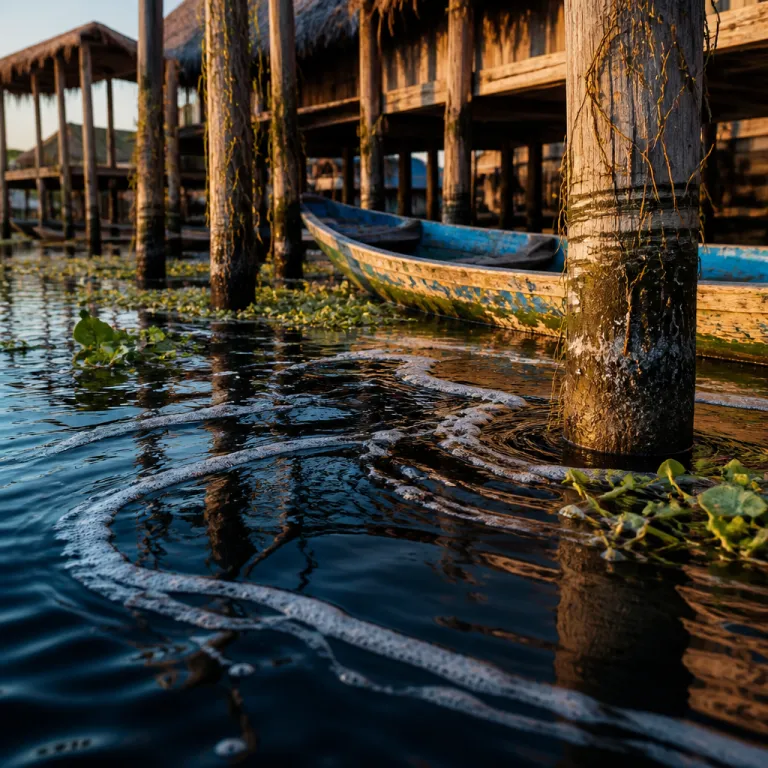
Ribeirinho life and the meaning of a floodplain lodge stay
Ribeirinho life on the várzea is the quiet backbone of the Amazon. Their homes rise and fall with the flooded river, shaping every daily experience and every season. For couples seeking a refined stay in a ribeirinho community lodge on the Amazon floodplain, understanding this rhythm is the first real luxury.
Ribeirinho communities are mixed heritage floodplain dwellers, distinct from both urban Manaus residents and indigenous villages. They move between high ground and low ground houses as the flooded forest advances, carrying their medicinal plants, fishing gear, and family altars with them. In central Amazonia, water levels in some várzea areas can rise more than ten meters between low and high season, according to long term river gauge records from Brazilian research institutes, so this Amazonian migration is not spectacle for visitors, but a practical response to a moving shoreline.
When you choose an eco lodge that works with local communities, you step into this amphibious world with care. A thoughtful ribeirinho-led Amazon lodge stay will show how the economy follows an invisible calendar, from açaí harvests to fish spawning seasons documented by regional fisheries studies. Couples who arrive curious, rather than just comfort focused, tend to leave with a deeper sense of sustainable tourism and of their own place in the forest.
In this context, luxury means a lodge floating quietly on blackwater channels, not a marble lobby. It means expert guides from ribeirinho communities piloting a motorized canoe through flooded forest, reading currents the way others read maps. The best Amazon lodges balance eco luxury comforts such as a private bathroom and good luggage storage with respect for local knowledge and river time.
For many travelers, the first close observation of wildlife happens from a simple wooden deck. Pink light on the water, monkeys calling in the canopy, and the sudden breath of a pink boto surfacing near the lodge can feel more opulent than any spa. A stay in a ribeirinho-run community lodge on the Amazon floodplain reframes what a hotel stay in the rainforest should be, replacing excess with intimacy and comfort and safety grounded in lived expertise.
Mamirauá Reserve and Uakari Lodge: where ribeirinho expertise leads
Nowhere expresses this better than Mamirauá Sustainable Development Reserve, a million-hectare flooded forest sanctuary in central Amazonia. According to the Mamirauá Institute for Sustainable Development, it was Brazil’s first reserve created specifically to protect várzea ecosystems and is recognized in federal conservation records as a model for community-based management. Here, Uakari Lodge was built as a partnership with local communities, including several ribeirinho communities who co-manage operations and guide activities. The result is a ribeirinho community Amazon lodge experience that feels quietly authoritative rather than curated for cameras.
Uakari Lodge is a true floating lodge complex, anchored in calm channels where the forest mirrors itself on still water. Its design is simple eco luxury, with airy rooms, single beds or doubles, and a private bathroom in each unit, all raised above the flooded waterline. Electricity, ventilation, and comfort and safety standards are solid, but the real indulgence is stepping from your deck straight into a motorized canoe at dawn.
Days here follow the river, not a rigid hotel schedule. Local ribeirinho boat pilots and expert guides lead wildlife observation outings, pointing out uakari monkeys, river fish species, and the subtle signs of caimans and sloths. They know which flooded forest channels hold pink boto, which sandbanks shelter nesting birds, and which trees hide medicinal plants used by their families for generations.
This is also where the line between eco lodge and cultural immersion blurs in the best way. Workshops on traditional fishing techniques, visits to ribeirinho communities, and shared meals cooked by local cooks turn a standard Amazon lodge stay into a genuine cultural exchange. As one community explanation used in visitor briefings puts it without embellishment, “What is a ribeirinho? Traditional river-dwelling people in the Amazon.”
For couples comparing high end rainforest stays, Mamirauá Reserve and Uakari Lodge set a benchmark for sustainable tourism. If you are mapping a broader South American itinerary, pair this floodplain immersion with a refined jungle retreat such as carefully reviewed luxury rainforest hotels elsewhere in the basin. The contrast between a polished canopy property and a ribeirinho-led lodge floating on the várzea will sharpen your sense of what meaningful luxury in the Amazon can be.
Seasonal water levels, year round romance and practical planning
Life on the várzea is defined by water levels, and your ribeirinho community Amazon lodge experience will be too. The Amazon flood pulse transforms trails into canoe routes and dry beaches into flooded forest, changing how you move, what you see, and how ribeirinho communities work. Couples who understand this hydrological choreography can choose the moment that best matches their travel style.
During high water, usually several months of the year, a motorized canoe glides through the canopy itself, offering surreal observation of wildlife at eye level. Monkeys cross above you, fish species shelter among submerged roots, and pink boto hunt near the trunks of towering trees. In this season, the lodge’s floating platforms feel like islands, and the intimacy with the forest is unmatched.
As waters recede, sandbars emerge and small agricultural plots appear along the banks. Ribeirinho families plant crops on newly exposed soil, while expert guides shift focus toward forest walks, birding, and visits to local communities on firmer ground. The same eco lodge can feel like two different Amazon lodges across the year, each phase revealing another layer of Amazonian life.
For couples balancing romance with logistics, planning around health and comfort and safety matters. Yellow fever vaccination is strongly recommended for most Amazon regions by Brazilian health authorities and the World Health Organization, and reputable lodge teams will brief visitors on current guidance before arrival. Light clothing, good rain protection, and careful luggage storage in soft duffels rather than hard suitcases make transfers by motorized canoe easier for everyone.
Quick planning checklist
– Vaccinations: Check yellow fever and routine immunizations at least 4–6 weeks before travel.
– Packing: Light long sleeves, rain jacket, insect repellent, soft luggage, and dry bags for cameras.
– Best months: High water for canoeing through flooded forest; lower water for beaches, hiking, and village visits.
If you are unsure which water level window suits you, consult long term climate patterns rather than a single forecast. A detailed guide such as choosing the best time to visit the Amazon for a luxury stay can help align your expectations with reality. Whatever the month, the river ensures that a ribeirinho community Amazon lodge experience remains a year round lesson in adaptation and shared resilience.
Inside the lodge: eco luxury details that still respect the river
From the outside, a ribeirinho-focused lodge may look modest compared with an urban hotel in Manaus. Step inside, and the priorities of a well run eco lodge become clear, with comfort, safety, and environmental sensitivity carefully balanced. Couples used to city suites quickly realise that thoughtful details matter more than glossy finishes in the Amazon.
Rooms in the best Amazon lodges are simple but well considered, often with polished wood, mosquito screened windows, and ceiling fans rather than heavy air conditioning. Expect single beds or doubles with quality mattresses, a private bathroom with reliable hot water, and discreet luggage storage that keeps gear dry during sudden storms. These touches define eco luxury here, where the real extravagance is waking to the sound of monkeys and macaws instead of traffic.
Shared spaces are designed for observation and quiet connection with the forest. Wide decks face the flooded forest or open river, allowing visitors to watch pink light shift across the water and perhaps glimpse a pink boto surfacing at dusk. Dining rooms often showcase local fish species, seasonal fruits, and recipes from ribeirinho communities, turning each meal into a cultural as well as culinary experience.
Behind the scenes, local communities usually hold key operational roles, from boat pilots to kitchen teams. Their knowledge of safe navigation, medicinal plants, and wildlife behaviour often exceeds that of formally trained staff who lack lifelong river experience. As one ribeirinho guide in Mamirauá explains to guests, “The river is our road, our market, and our history book,” and when expert guides from these communities lead night outings, they hear the forest long before your eyes adjust to the dark.
For couples who want a broader sense of rainforest hospitality, it can be interesting to pair a várzea stay with a more classic jungle retreat. Properties such as refined jungle lodges in other rainforest regions offer a contrasting take on eco luxury, with more conventional amenities but less direct contact with ribeirinho life. Together, these stays frame the ribeirinho community Amazon lodge experience as the more intimate, river literate side of high end Amazon travel.
How ribeirinho knowledge reshapes luxury, sustainability and your role as a guest
Spending several days with ribeirinho communities quietly challenges standard ideas of luxury travel. You see how families adapt to flooded seasons, how they time fishing to protect key species, and how their economy responds to pressures from industrial fleets and cattle ranching documented in regional development reports. A thoughtful ribeirinho community Amazon lodge experience turns these realities into context, not background scenery.
Guided visits, workshops, and homestay style encounters are not staged shows but part of an ongoing cultural exchange. Travelers join boat trips where ribeirinho fishers explain why some fish species are off limits at certain times, or walk through gardens where medicinal plants are cultivated for both household use and small scale sale. These moments reveal an Amazonian identity that blends Portuguese, indigenous, and African roots into something distinctly riverine.
For couples, the romance lies less in candlelit dinners and more in shared observation of wildlife and human resilience. Watching a child paddle to school through flooded forest, or hearing a guide describe how their family shifts between high ground and low ground homes, anchors your stay in lived experience. It also highlights why sustainable tourism is not a slogan here, but a survival strategy for local communities.
Your choices as a guest carry weight in this delicate system. Selecting an eco lodge that is co-managed with ribeirinho communities, asking informed questions, and respecting local customs all support a fairer distribution of tourism benefits. Simple gestures, from following safety briefings about yellow fever to packing out waste, reinforce a shared commitment to the forest.
In the end, the most meaningful souvenir from the Amazon is often a changed perspective. You leave understanding that the river, not the road, sets the rules, and that true eco luxury means aligning your comfort with the needs of the place and its people. A ribeirinho community Amazon lodge experience teaches that living with the river is not an escape from reality, but a more honest way of seeing it.
FAQ
What is a ribeirinho, and how are they different from indigenous communities?
Ribeirinhos are traditional river dwelling people of the Amazon floodplains, often of mixed Portuguese, indigenous, and African heritage. They are distinct from indigenous groups with specific ethnic identities and territories, and from urban residents in cities such as Manaus. Their culture is shaped by seasonal movement between homes as water levels rise and fall, and by livelihoods based on small scale fishing, açaí harvesting, and agriculture on exposed riverbanks.
How do ribeirinho communities adapt to the flooded forest each year?
Ribeirinho families build houses on stilts or maintain separate high ground and low ground homes to cope with rising water. During high water, they rely heavily on canoes and motorized boats for transport, fishing, and access to schools or health posts, turning the flooded forest into a navigable landscape. As waters recede, they plant crops on newly exposed soil and adjust fishing practices to protect key species and sustain their economy.
What can travelers learn from a ribeirinho community Amazon lodge experience?
Travelers gain a first hand view of sustainable living in a dynamic environment, from how ribeirinhos manage fish stocks to how they use medicinal plants responsibly. Guests also see how local communities balance cultural continuity with modern pressures such as industrial fishing and climate related flooding changes documented in scientific and policy reports. Many visitors leave with a deeper understanding of the Amazon as a lived in landscape rather than an untouched wilderness.
Is it safe and comfortable to stay in a lodge floating in the Amazon?
Well managed Amazon lodges that work with ribeirinho communities are designed with comfort and safety in mind, including stable floating structures, clear evacuation plans, and trained staff. Rooms usually offer essentials such as mosquito protection, a private bathroom, and secure luggage storage, while expert guides brief guests on wildlife and river conditions. Following health advice, including vaccination guidance for yellow fever where recommended by health authorities, further enhances safety during your stay.
How can my stay support sustainable tourism and local communities?
Choosing an eco lodge that is co-managed with ribeirinho communities ensures that a fair share of revenue stays in the region. Participating respectfully in guided visits, buying local crafts or produce, and following community rules around fishing or forest access all reinforce sustainable tourism practices. Asking how your lodge contributes to conservation projects or education initiatives in nearby villages is a simple way to align your travel choices with long term positive impact.