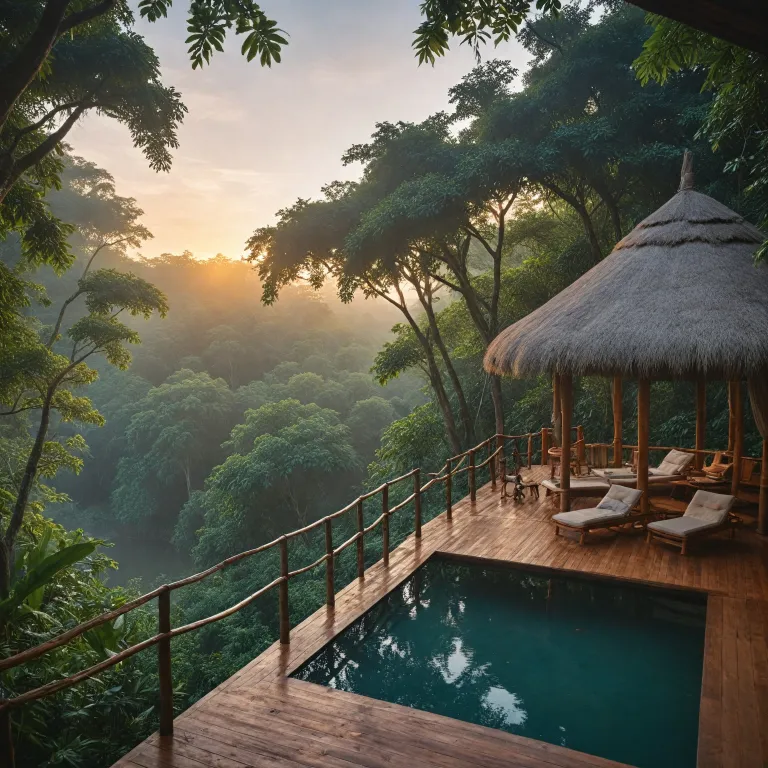
Planning to visit the Amazon rainforest with refined comfort
Choosing to visit the Amazon rainforest is an immersive decision that blends comfort with raw nature. When you plan your travel carefully, you can enjoy the jungle while staying in refined lodge settings that respect the environment and local cultures. This balance matters for every day of your trip, especially if you want premium service without compromising the rainforest itself.
The Amazon stretches across several countries, yet many luxury travelers focus on amazon Peru itineraries that combine the andes amazon with lowland jungle lodges. From Lima or Cusco, you can connect to gateways such as puerto maldonado, where river boats transfer guests along the amazon river to secluded jungle lodge retreats. These lodges often sit on tributaries rather than the main river, giving quieter access to wildlife and calmer water for canoe excursions.
Before you visit amazon regions, consider how many days you will allocate to the jungle and how many to icons such as machu picchu in the andes amazon corridor. Many travelers underestimate the time needed for amazon trips, but three to four days amazon in a single lodge is usually the best minimum. This allows a full day of arrival, two intensive day trips into the rainforest, and a final day to relax by the river before flying onward.
Visiting the Amazon rainforest offers an opportunity to experience unparalleled biodiversity and engage with indigenous cultures. Eco tourism here increasingly supports local communities, and organizations such as the Amazon Conservation Team (ACT) work with indigenous partners to protect jungle habitats. When you book, ask how your chosen lodge collaborates with these initiatives, because your stay will directly influence conservation outcomes.
Choosing luxury jungle lodges and understanding water seasons
Luxury jungle lodges in the Amazon rainforest now rival high end resorts, yet they remain deeply connected to the river and forest. Many of these lodges use solar power, natural ventilation, and local materials, which elevates comfort while keeping a light footprint on the jungle. If you plan to visit amazon regions in style, focus on properties that combine attentive service with strong environmental credentials.
The best time to visit the Amazon rainforest depends on whether you prefer the dry season or the wet season. During the dry season, often called the low water period, trails are more accessible and wildlife viewing along the riverbanks can be exceptional. In the wet season, sometimes referred to as the high water or water season, canoes can glide deeper into flooded forest, bringing you closer to animals that remain hidden at other times.
In amazon Peru, especially around puerto maldonado, many jungle lodges design flexible programs that adapt to each season and each day. A typical day trip might start with a dawn boat ride on still water to watch birds and mammals, followed by a guided rainforest walk and an evening river excursion. When you plan your travel dates, ask each jungle lodge how the dry season and wet season affect their activities, so you can match your expectations with the reality on the ground.
For travelers who value sustainability as much as comfort, it is worth reading about sustainable luxury and premium hotel booking experiences in the Amazon rainforest. These resources explain how carefully managed amazon trips can support conservation while still offering refined cuisine, curated excursions, and attentive staff. Aligning your booking choices with these principles ensures your visit amazon rainforest journey remains both indulgent and responsible.
Designing an itinerary that combines the andes and the Amazon
Many travelers wish to combine machu picchu with a visit to the Amazon rainforest, creating a journey that spans the andes amazon corridor. This pairing allows you to experience high mountain culture and lowland jungle wildlife within a single trip. To make the most of your time, you should structure your days so that altitude and climate changes feel gradual rather than abrupt.
A common pattern is to explore the andes first, then descend to amazon peru gateways such as puerto maldonado for river transfers to jungle lodges. After several days amazon in the rainforest, you will appreciate the slower rhythm of canoe rides, guided walks, and quiet evenings listening to animals along the river. Each day trip can focus on a different aspect of the rainforest, from canopy towers to oxbow lakes and night walks.
When planning amazon trips that include both regions, consider the best time for each environment and how the dry season or wet season might affect logistics. The best time to visit amazon areas for wildlife often coincides with lower water, while the high water period can be ideal for photography and canoe based exploration. Discuss with your travel advisor how many days you will allocate to each region, and confirm flight schedules that connect the andes amazon hubs efficiently.
To refine your understanding of sustainable options, review guidance on sustainable luxury and premium hotel booking experiences in the Amazon rainforest. These insights help you choose jungle lodges that manage water, energy, and waste responsibly while still offering elevated cuisine and attentive service. With careful planning, your combined visit amazon itinerary will feel seamless, rewarding, and aligned with conservation values.
Understanding wildlife, national parks, and ethical encounters
The Amazon rainforest is home to an extraordinary concentration of wildlife, with tens of thousands of plant species and remarkable numbers of birds and mammals. When you visit amazon regions, you enter habitats where animals follow their own rhythms, which means sightings can never be guaranteed. However, choosing lodges near protected areas or within a national park significantly increases your chances of memorable encounters.
In amazon peru, several jungle lodges operate close to reserves where strict rules protect both animals and forest. Guided day trips along the river and into the jungle focus on quiet observation, using binoculars rather than intrusive approaches. Your guides will explain why it is essential to keep a respectful distance from wildlife and to avoid feeding animals, which can disrupt natural behavior.
Ethical travel in the Amazon also involves understanding how seasons influence wildlife patterns and water levels. During the dry season, low water can concentrate fish and aquatic animals, attracting predators such as river dolphins and birds of prey. In the wet season, high water floods the forest, allowing boats to glide among tree trunks where monkeys, sloths, and countless bird species forage above the waterline.
Some travelers extend their amazon trips to include remote areas such as the Guiana region, where you can find refined stays deep inside protected rainforest. For inspiration on this style of journey, you can read about a luxury stay in the heart of a French Amazonian national park. Wherever you go, remember simple principles : carry out all trash, listen to guides, and choose lodges that collaborate with local communities.
How water levels and seasons shape your luxury Amazon stay
Understanding the rhythm of water in the Amazon rainforest is essential when planning a refined stay. The contrast between low water and high water periods shapes everything from boat access to the design of day trips. When you visit amazon regions, your experience will feel very different depending on the season you choose.
During the dry season, often associated with low water, sandbanks emerge along the amazon river and its tributaries. This can create excellent conditions for spotting animals that come to the river to drink or feed, and for walking trails that might be flooded at other times. Many jungle lodges schedule longer rainforest hikes and more land based wildlife excursions during this time, making it a strong candidate for the best time to focus on photography and birdwatching.
In the wet season, when high water transforms the landscape, boats can navigate into flooded forest where tree trunks rise directly from the water. This water season allows you to explore quiet channels where animals move between canopy and river, offering a very different perspective on the jungle. Luxury lodges adapt by emphasizing canoe based outings, interpretive talks on hydrology, and flexible day trips that respond to changing water levels.
For amazon peru itineraries, especially around puerto maldonado, your travel advisor will help you match your preferred style with the right season. If you value cooler nights and easier walking, the dry season may be the best time, while those who enjoy dramatic river scenery might favor the wet season. Whatever time visit you choose, ensure your lodge has clear safety protocols for boat travel and transparent information about how water conditions affect daily activities.
Booking strategies for premium lodges and responsible travel
Securing the right jungle lodge for your visit to the Amazon rainforest requires more than simply choosing the most luxurious room. You should evaluate how each property manages water, energy, and waste, and how it collaborates with indigenous communities and conservation organizations. This approach ensures that your amazon trips contribute positively to the places and people you have come to see.
When comparing jungle lodges in amazon peru or other regions, look beyond glossy images of the river and focus on concrete policies. Ask whether the lodge supports a nearby national park, employs local guides, and funds education or research on wildlife. Many of the most respected lodges share detailed reports on their environmental impact, which can help you decide where your travel budget will have the greatest effect.
It is also wise to consider how many days amazon you will spend in one place, because frequent transfers along the amazon river can increase your footprint. A stay of four to five days in a single lodge allows deeper immersion in the jungle, with varied day trips that reveal different habitats and animals. This slower rhythm also gives you time to adjust to the climate, understand the seasons, and appreciate the subtle changes in light on the water.
For travelers seeking guidance on aligning comfort with ethics, resources on sustainable luxury booking practices provide valuable frameworks. They emphasize that the best time to visit amazon regions is when your presence supports conservation and local livelihoods rather than straining them. With thoughtful planning, your premium stay becomes part of a wider effort to protect the rainforest for future generations.
Key statistics about biodiversity in the Amazon rainforest
- Approximately 40 000 plant species have been identified in the Amazon rainforest, illustrating exceptional botanical diversity across jungle and river ecosystems.
- Around 1 294 bird species inhabit the wider Amazon basin, making many amazon trips particularly rewarding for dedicated birdwatchers.
- Roughly 427 mammal species live in the region, which means every day trip offers potential encounters with rare animals when you visit amazon rainforest areas responsibly.
Essential questions when planning to visit the Amazon rainforest
What is the best time to visit the Amazon rainforest ?
The dry season offers lower river levels and often clearer trails, which many travelers consider the best time for wildlife viewing and photography. The wet season brings higher water that allows canoes to reach deeper into flooded forest, offering a different way to explore the jungle. Your ideal time visit will depend on whether you prefer easier walking in the dry season or more extensive boat access during the wet season.
What should I pack for a trip to the Amazon ?
For any visit amazon itinerary, pack light colored long sleeve shirts and trousers to protect against insects and sun. Add a broad brimmed hat, high quality insect repellent, and binoculars to enhance wildlife viewing during day trips on the river and in the rainforest. Quick drying clothing, a waterproof layer for the wet season, and secure cases for camera gear will help you stay comfortable in both high water and low water conditions.
Are there eco friendly accommodations in the Amazon ?
Yes, many jungle lodges now operate with strong sustainability standards, using solar power, rainwater collection, and locally sourced materials. These lodges often partner with indigenous communities and support nearby national park initiatives, ensuring that amazon trips contribute to conservation. When you plan to visit amazon rainforest regions, ask each lodge to explain its environmental practices so you can align your travel choices with your values.