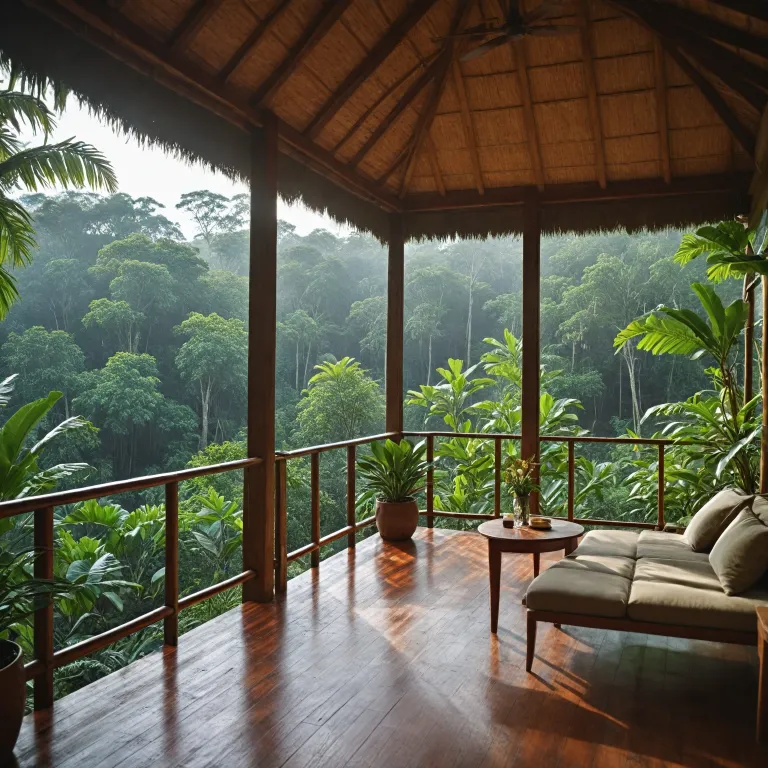
Luxury in the heart of napo wildlife center ecolodge
At napo wildlife center ecolodge, luxury quietly meets deep rainforest immersion. This center lodge sits beside the blackwater Añangucocha Lake, surrounded by pristine amazon rainforest and extraordinary wildlife. Guests arrive by motorboat from Coca, then glide by dugout canoe into a world shaped by the Kichwa Añangu community.
The lodge is owned and operated by the indigenous Kichwa Añangu community, whose stewardship protects more than 21,400 hectares of ecuadorian amazon within Yasuní National Park. Their community based model ensures every suite, every guided trek, and every curated itinerary supports both conservation and local livelihoods. This approach gives each person staying at the lodge a rare sense of connection, because your stay directly funds education, healthcare, and long term protection of flora fauna.
Spacious suites overlook the lake or forest canopy, blending refined comfort with natural materials sourced from the amazon. Each suite offers screened windows, private bathrooms, and thoughtful details that make several days and nights in the rainforest feel serene rather than demanding. While the setting is remote, the experience remains premium, with attentive service, refined dinner menus, and expert guides on hand.
Travelers often choose itinerary days that balance relaxation at the center lodge with active exploration of Yasuní National Park. After a morning excursion, you might return for a leisurely box lunch on the deck, watching wildlife move along the shoreline. As afternoon light softens, a guide may invite you onto the lake by dugout canoe, where the sounds of the amazon rainforest replace city noise entirely.
Designing an itinerary days plan for premium rainforest stays
Planning an itinerary for napo wildlife center ecolodge requires more than simply choosing dates. Distances in the ecuador amazon are vast, and each day unfolds at the rhythm of wildlife, river levels, and soft dawn light. A well designed itinerary days plan ensures you experience signature activities without feeling rushed or overwhelmed.
Most travelers opt for at least three to four days and nights at the lodge, which allows time for the observation tower, parrot clay licks, and guided trek routes. Shorter stays can feel compressed, because travel from Coca and along the napo River already occupies part of your first day. With additional days, each person can enjoy slower afternoons, unhurried bird watching, and quiet moments learning from Kichwa Añangu guides.
A typical day might begin before sunrise, when wildlife is most active around the center lodge and nearby forest edges. After a light breakfast, your guide may lead a trek through Yasuní National Park, explaining how flora fauna interact in this dense ecosystem. A midday return brings time for a box lunch and rest, before an afternoon outing by dugout canoe or a visit to the observation tower.
Luxury here is defined by access, knowledge, and flexibility rather than excess. Your itinerary days can be tailored to focus on photography, bird watching, family friendly walks, or deeper cultural encounters with the anangu community. Throughout, multilingual guides coordinate logistics, ensuring every experience in the ecuadorian amazon feels seamless yet authentically wild.
Wildlife center highlights: parrot clay licks, bird watching, and canopy views
The napo wildlife center ecolodge is renowned for its proximity to some of the most spectacular wildlife gatherings in the amazon. Among the most celebrated experiences are visits to the parrot clay licks, where hundreds of parrots and macaws descend to feed on mineral rich clay. These clay lick excursions are carefully timed and guided to minimize disturbance while maximizing viewing opportunities.
Guests usually depart the center lodge before sunrise by dugout canoe, then continue on foot with expert guides. At the clay lick viewing blinds, each person watches as the forest slowly brightens and the first birds arrive in swirling, colorful flocks. This wildlife center experience is a highlight of many itinerary days, and it is often paired with a box lunch to extend time in the field.
Bird watching remains exceptional throughout the property, with more than 600 species recorded in the surrounding ecuadorian amazon. The observation tower rises above the canopy, offering a rare perspective over Yasuní National Park and the winding napo River. From this tower, guests may see toucans, tanagers, raptors, and even monkeys moving through the upper branches during the soft afternoon hours.
Guides from the Kichwa Añangu community share both scientific knowledge and ancestral stories about local wildlife. Their dual expertise enriches every trek, every quiet pause on the tower platform, and every afternoon canoe glide along hidden channels. For travelers seeking to truly discover rainforest life, these wildlife center activities transform a simple lodge stay into a profound learning experience.
Cultural immersion with the kichwa anangu community
Staying at napo wildlife center ecolodge means entering the homeland of the Kichwa Añangu community, not just a remote forest lodge. The anangu community has chosen a sustainable tourism model that protects their territory while welcoming guests into carefully curated cultural encounters. This approach ensures that each person experiences the ecuador amazon through local eyes, with respect and reciprocity.
Guides from the kichwa anangu families lead most excursions, from early day bird watching to afternoon canoe journeys. Their knowledge of flora fauna, seasonal changes, and wildlife behavior has been refined over generations living along the napo River. When they design an itinerary days program, they weave in both natural highlights and moments that reveal how community life adapts to the amazon rainforest.
Guests may visit community spaces to learn about traditional agriculture, medicinal plants, and daily routines in the ecuadorian amazon. These visits are structured to avoid intrusion, with clear guidelines shared by your guide before entering any anangu area. Over shared meals or a relaxed dinner at the center lodge, conversations often continue about language, history, and current conservation challenges.
The Kichwa Añangu Community is described officially as an "Indigenous community managing the Napo Wildlife Center Ecolodge." Their leadership ensures that revenue from every suite, every guided trek, and every box lunch served at the lodge supports education and long term conservation. For many travelers, this community centered model becomes the most meaningful part of their napo wildlife experience, deepening the sense of connection to Yasuní National Park.
Gastronomy, comfort, and service in a remote amazon lodge
Despite its remote setting, napo wildlife center ecolodge offers a refined standard of comfort that appeals to luxury travelers. Each suite is designed to frame views of the lake, forest, or sky, allowing guests to wake with the sounds of wildlife at first light. Thoughtful amenities balance rustic charm with modern convenience, ensuring several days and nights feel restorative rather than rugged.
Meals at the center lodge highlight fresh ingredients sourced from the ecuador amazon and nearby regions. Breakfasts fuel early day excursions, while lunch may be served as a relaxed buffet or as a carefully packed box lunch for longer outings. Evening dinner service becomes a social moment, where guests and guides share stories about the day’s trek, bird watching successes, or memorable encounters on the dugout canoe.
The culinary team can accommodate varied dietary preferences with advance notice, which is important when planning your itinerary days. Because logistics in the amazon rainforest are complex, communicating needs early allows the lodge to prepare appropriately for each person. This attention to detail reinforces the sense of premium service, even when you are deep inside Yasuní National Park.
Afternoon hours often invite rest in hammocks, quiet reading on the deck, or a gentle paddle near the lodge. Staff and guides remain available to suggest spontaneous activities, from a short wildlife center walk to a sunset visit to the observation tower. In this way, the napo wildlife experience feels both curated and flexible, adapting to energy levels and changing rainforest conditions.
Practical planning for a luxury stay in yasuni national park
Organizing a stay at napo wildlife center ecolodge requires careful planning, especially for travelers seeking premium comfort in the amazon. Most itineraries begin with a flight to Coca, followed by a motorboat journey along the napo River and a final approach by dugout canoe. This layered journey sets the tone for days and nights spent far from urban noise, immersed in the sounds of wildlife.
When choosing itinerary days, consider both travel time and your personal pace. A minimum of three days and nights is recommended, though four or five days allow more relaxed afternoons and additional wildlife center excursions. Longer stays also increase your chances of favorable weather for the observation tower, parrot clay lick visits, and extended trek routes in Yasuní National Park.
Packing light, breathable clothing is essential for the humid ecuadorian amazon climate. The lodge typically provides rubber boots and basic gear for trek activities, while guests bring personal items such as binoculars for bird watching. Guides advise on daily needs, from water and insect protection to whether a box lunch will be carried for a full day outing.
Travelers often ask, "How do I get to Napo Wildlife Center?" and "What wildlife can I expect to see?" and "Is the ecolodge suitable for families?" These practical questions reflect the balance between adventure and comfort that defines the napo wildlife experience. With expert guides, community leadership from the kichwa anangu, and a thoughtfully designed center lodge, this ecuador amazon retreat offers one of the most complete ways to discover rainforest life in style.
Key figures about napo wildlife center ecolodge and yasuni national park
- The protected area managed around the lodge covers approximately 21,400 hectares of amazon rainforest.
- More than 600 bird species have been recorded in the surrounding ecuadorian amazon landscapes.
- Approximately 169 mammal species inhabit Yasuní National Park and nearby territories.
Essential questions for planning your napo wildlife center ecolodge stay
How do I get to Napo Wildlife Center?
Travelers typically fly to Coca, Ecuador, and then take a motorboat ride to the ecolodge. From the river, guests continue by dugout canoe into the heart of Yasuní National Park, reaching the center lodge in time for an afternoon orientation. This journey forms an integral part of the overall napo wildlife experience, revealing the scale and remoteness of the amazon rainforest.
What wildlife can I expect to see?
Visitors can observe a diverse range of species, including various birds, mammals, and reptiles native to the Amazon. With more than 600 bird species and numerous primates, river dolphins, and forest dwellers, each day and night offers new wildlife encounters. Guided treks, observation tower visits, and parrot clay lick excursions all increase your chances of memorable sightings in the ecuador amazon.
Is the ecolodge suitable for families?
Yes, the Napo Wildlife Center offers accommodations and activities suitable for families seeking an immersive rainforest experience. Flexible itinerary days, gentle afternoon excursions by dugout canoe, and engaging cultural visits with the anangu community help keep younger travelers inspired. With experienced guides and comfortable suites, the center lodge balances safety, education, and adventure for every person in the family.
Trustful expert sources: Napo Wildlife Center official website; Yasuní National Park management information; Ecuadorian Ministry of Environment publications.